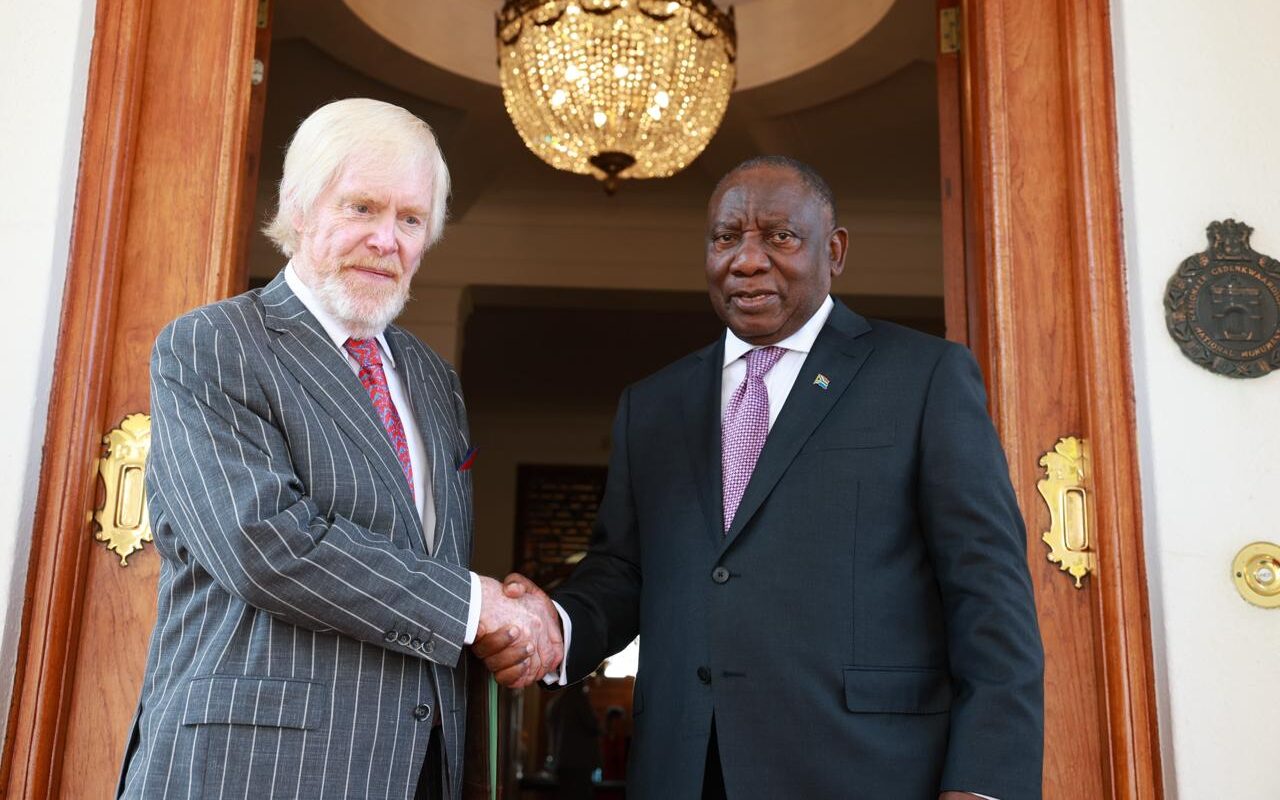
Despite South Africa's attempts to improve relations with the United States during last week's United Nations General Assembly, the connection with Washington is still tense.
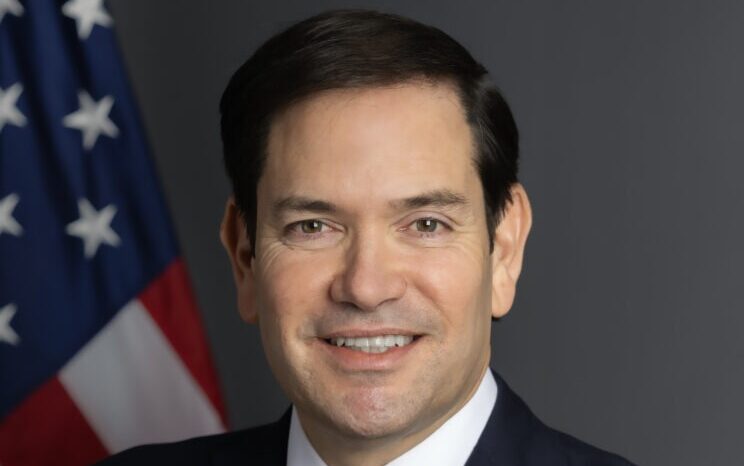
On 15 September, US Secretary of State Marco Rubio announced visa restrictions aimed at South Africans involved in land seizures without compensation, race-based discrimination, and violence against minorities. This follows months of disagreements over South Africa's foreign policy and local efforts for historical justice. As a result, the US has excluded Pretoria from this year's G20 meetings.
On 29 September, South Africa officially reprimanded US Ambassador Leo Bozell for his recent criticisms of the government. This was his second formal complaint in six months.
Even though the political relationship is struggling, trade between the two countries is surprisingly strong. So, does this recent tension show a real threat, political drama, or something in between?
The US midterm elections are on 3 November, which is just a day before South Africa's local elections. While South Africa is not a major issue for most American voters, the timing is important.
These midterms offer lobby groups a better chance to push for tougher actions against South Africa. Disagreements over Israel, China, Russia, land reform, and race policies can easily become part of US election campaigns.
There are also deadlines for legislation. Some bills in Congress about South Africa will expire on 3 January 2027 unless they are passed. The midterm elections will change the makeup of Congress and its committees, which could lead to more hard-line members pushing for action.
This brings us to Mr Bozell’s well-known ‘five asks’ from Washington. These are conditions for normalizing relations with Pretoria. He believes two of these points are already settled. South Africa has not blocked the US refugee program, and ongoing legal cases about the Expropriation Act mean that Washington is leaving it to South Africa's courts.
That leaves three main issues: condemning the ‘kill the boer’ struggle song, making rural security a priority crime, and expanding equity equivalent investment programs (EEIPs) to mining and telecoms.
In South African media, Mr Bozell admitted that this makes it unclear whether South Africa has ignored Washington's requests. South Africa’s Rural Safety Strategy shows that rural safety is indeed a priority. The government has talked with the US about this.
Regarding hate speech, South Africa cannot ignore its own court rulings. Doing so would hurt senior government officials who might be seen as avoiding legal processes to please Washington. This request is a clear red line. It is like South Africa asking the US to recommit to its diversity and inclusion agenda to help improve relations.
Lastly, on the EEIP exemptions, President Cyril Ramaphosa has said that South Africa's black economic empowerment policy is being reviewed, especially in the sectors mentioned by the US.
South Africa is clearly trying to deal with its relationship with Washington carefully. But without clear ways to meet the US's requests, this gap will likely continue because Washington keeps changing its demands.
The US seems to understand this noisy environment and South Africa's efforts to address the five asks. Its claim that the time for talks is over is really about putting pressure on Pretoria, especially with the elections coming.


What Happens Next?
Understanding the real issues in this relationship is a good starting point. Regarding the real progress, the five asks are supported by strong trade ties. Trade between the two countries grew by just over 10 percent in 2025, reaching nearly $29 billion. US foreign direct investment has also remained stable. For now, South Africa is still part of the US African Growth and Opportunity Act.
Critical minerals are another key factor keeping relations from breaking down completely. South Africa has the largest platinum group metal reserves in the world and is a top supplier to the US. This makes Pretoria important to Washington, especially as competition for critical mineral supply chains heats up.
When you consider South Africa’s mining skills and its developed financial markets and infrastructure, it could be seen as a strong point for Pretoria. This might help in continuing negotiations with the US on its own terms.
Of course, there are still questions about the International Relations and Cooperation Department's ability to adopt a focused economic diplomacy approach with the US. But they recognize that such an approach is needed.
Ambassador Roelf Meyer has supported this economic focus. He recently pointed to US company Alcoa’s purchase of the Hillside Aluminium smelter in South Africa and Microsoft’s R5.4 billion expansion of its cloud and AI services in South Africa as signs of US investor trust. The US International Development Finance Corporation’s $50 million support for the Phalaborwa Rare Earths Project backs this up.
But South Africa still looks like a ‘bad deal’ for the US President Donald Trump’s administration and is an easy target to make an example of. Still, things can change, and diplomacy is about finding a middle ground. Three possible paths for South Africa stand out.
First, Pretoria could stop engaging with the US. This would mean accepting the US's interference and the futility of trying to please Washington. This approach would probably lead to punitive measures affecting the economy.
A more practical approach could see South Africa focus on commercial diplomacy, where its critical minerals and market access could help maintain trade ties while setting aside political issues.
Third, Pretoria could stay quiet and wait for changes in Washington, especially after the elections. This could be useful given the US's changing demands regarding its five asks. But this might underestimate the level of bipartisan hostility towards South Africa in Congress, making it risky.
None of these options is easy for Pretoria, especially since local election politics encourage a confrontational approach with the US, posing economic risks.
The real test will come right after the elections when both governments must decide if their trade and strategic interests still matter more than the political issues driving them apart.
Drop your comment
No comments yet — be the first to drop the gist 👇