Nigeria's politics is shaped by a unique economic model. This model shows that the country's formal economy operates separately from a larger economy driven by political players. My friend S. A. Ndanusa puts it this way. Nigeria has two economies. The first is the official economy tracked by the National Bureau of Statistics. This is where we see inflation, GDP, unemployment, exchange rates, and enough numbers to show us how much we are suffering. The second is the economy of politics. This economy is not fully shown in official data, but it could be one of the fastest-growing sectors in Nigeria. It includes investors, brokers, wholesalers, retailers, consultants, apprentices, and professional praise singers. Its reach is from Abuja to every state capital, local government area, ward, and even WhatsApp groups.
Ndanusa points out that this is the only sector where nobody complains about a lack of money during an election year. He says the political economy focuses on how power distributes wealth. The economy of politics looks at how wealth gains power and what it expects in return. Today, everything in the economy or society is influenced by those who have captured Nigeria’s wealth. The sad reality is that no business can survive without engaging in political corruption. This system has reached its peak, and even regular voters are forced to trade their votes for cash. This has drained the electoral system of real issues, principles, and values, turning votes into mere products.
In the recent Osun governorship election, the two main parties were thought to have spent over one hundred billion naira each on vote-buying. This led the Socio-Economic Rights and Accountability Project (SERAP) to call on the Independent National Electoral Commission (INEC), the Economic and Financial Crimes Commission (EFCC), and the Independent Corrupt Practices and Other Related Offences Commission (ICPC) to urgently investigate reported cases of vote-buying, financial inducement, illegal election financing, voter intimidation, violence, and misuse of public resources linked to the 2026 Osun State governorship election. Sadly, these watchdog organizations have watched past incidents of vote-buying without taking any action against those responsible.
The reality is that the Nigerian state is heavily involved and often supports corruption in elections. I know the law does not officially support this. Sections 125, 131, and 132 of the Electoral Act 2026 make bribery, undue influence, and violence to sway votes illegal. The Act sets up political finance rules, including limits on contributions and spending, and requires post-election disclosures under sections 91, 94. Also, Section 138(1) allows for questioning an election that is invalid due to 'corrupt practices or non-compliance with the provisions of this Act.' Section 139 deals with non-compliance that could significantly change the election outcome. Allegations of corruption before elections, bribery, and other offenses spark concerns under several sections of the Nigerian Constitution 1999 (as amended) that support democratic participation and the right to fair and honest elections. The problem is that the law means nothing if the State does not act against those who break it.
When most people who get elected do so through corruption, the whole society gets caught up in it. Those who bribe for votes do it to reap financial gains from the office. Voters receive cash for their votes. Even religious leaders who prayed for election victories have also taken money, even though their faith condemns corruption. Their communities, states, and regions also back the corrupt political class. No one stands for moral values anymore. This is the sad state of Nigerian society. We have lost our moral compass.
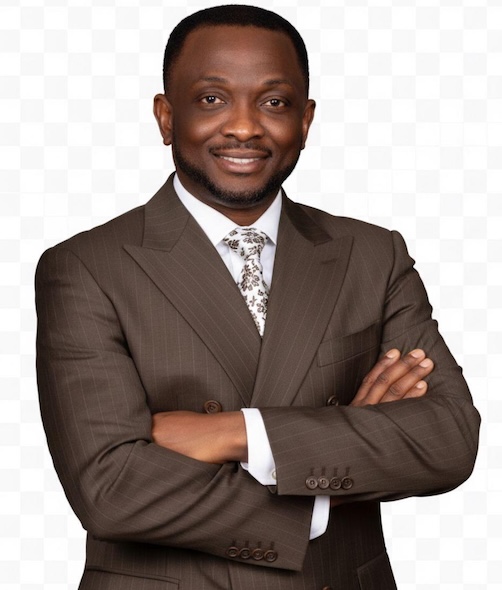
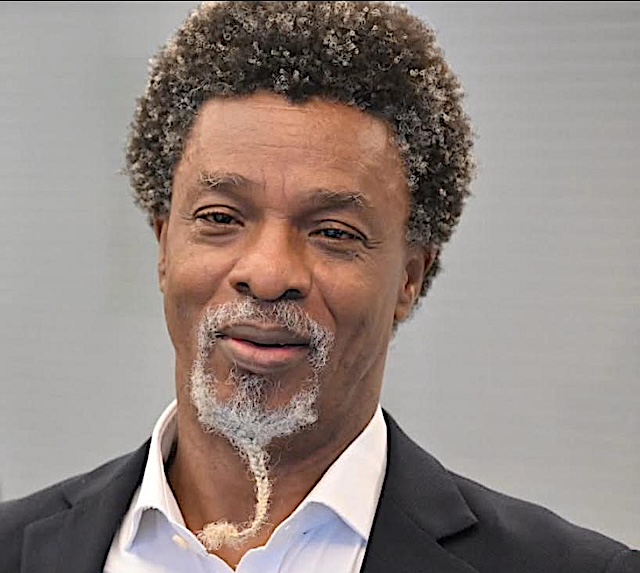
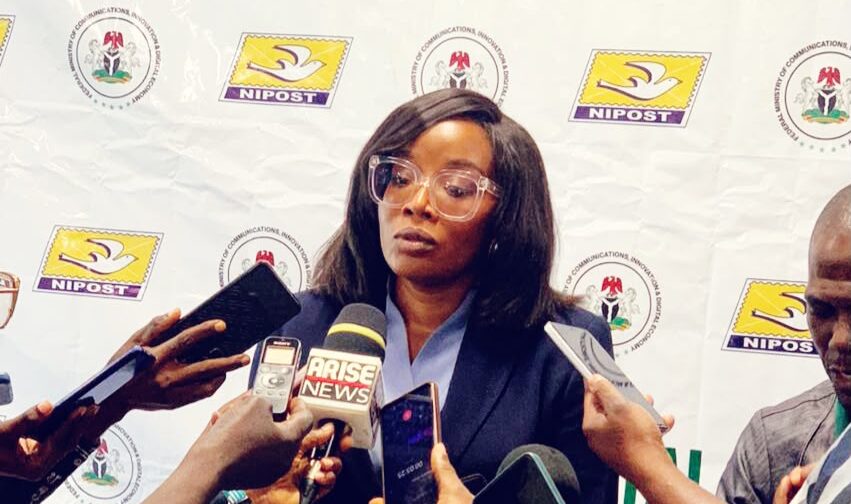
I worry about the upcoming 2027 general elections. It looks set to showcase the worst corruption in Nigeria's political history. The State, its resources, and its agencies are all being used to ensure that corruption wins. President Bola Ahmed Tinubu is mobilizing State resources to achieve his goals. In this process, many red lines are being crossed. His campaign council includes top political leaders like governors and ministers. It also features key officials from the State machinery. For instance, Dr. Abisoye, the head of the NIMC, holds the data of all Nigerians. She controls biometric fingerprints, NINs, photos, and addresses of over 136 million Nigerians. Now, she is also the Director of Data Management for the APC Presidential Campaign Council. In election management, the neutrality of officials is key. Why should someone who controls the official data of all Nigerians work for one candidate, the sitting president? The person in charge of protecting our privacy is now working for a political party. This is a serious conflict of interest and a danger to every Nigerian citizen's identity.
Additionally, the APC Campaign Council includes Zacheus Adedeji, the Chairman of the Nigerian Revenue Service. He is responsible for collecting taxes from all workers, traders, companies, and businesses. He oversees revenue for government projects and investigates who is wealthy in Nigeria to collect more tax from them. Now, he is also the Deputy Director of fundraising for President Tinubu’s campaign. The risk of using the tax data he has collected for the campaign is very real. The line between public interest and President Tinubu's personal campaign has nearly vanished. The tax collector has become a campaign collector.
If the official data of the country is being used in this campaign, law enforcement agencies like the police, army, and DSS might get involved too. What about the judiciary and the whole State machinery? Citizens must watch and resist this takeover of the State's machinery for electoral corruption, especially with the worrying trend of treating electoral mandates as commodities.
Drop your comment
No comments yet — be the first to drop the gist 👇