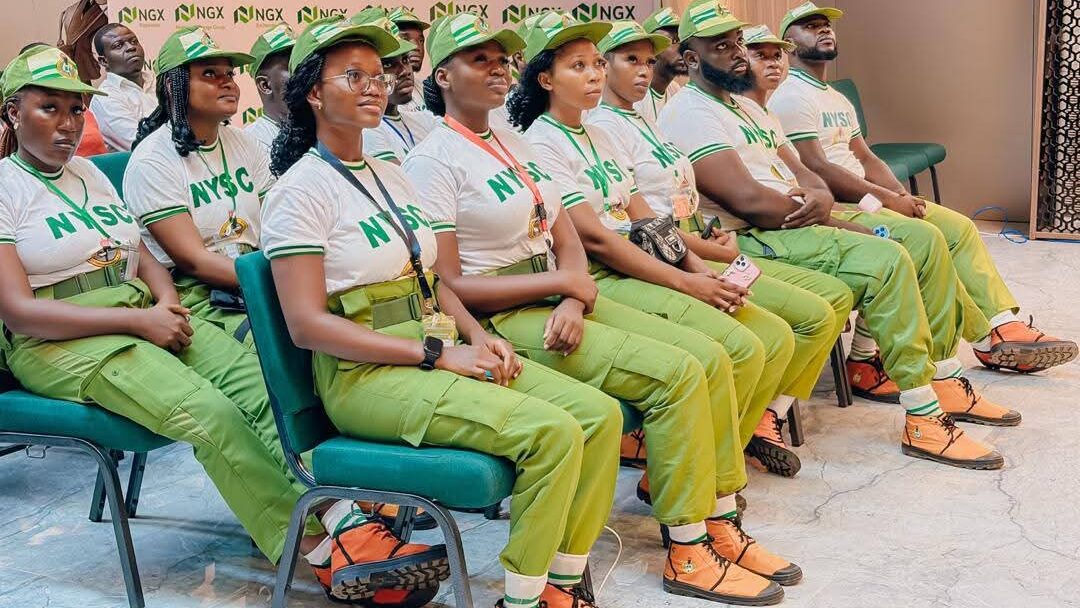
After 53 years, the National Youth Service Corps (NYSC) is set for major changes. The decision was made at a Federal Executive Council meeting last Monday. President Bola Tinubu, in a signed statement, said this aims to create “meaningful opportunities for young Nigerians,” fulfilling part of his promise to them.
The NYSC scheme started in 1973 under General Yakubu Gowon to help heal the country after the civil war from 1967 to 1970. Since then, it has aimed to promote national unity and integration. Each year, university graduates and others take part in the one-year service, posted to states outside their home areas.
When the program began, just 2,300 young Nigerians under 30 joined. At that time, Nigeria had only six universities: Ibadan, Nsukka, Zaria, Ife, Benin, and Lagos. Today, there are 312 universities, including federal, state, and private ones. In 2025, about 650,000 graduates were mobilized for service. This program costs a lot of money. Over the years, NYSC has provided a source of cheap labor for many state governments and the private sector, especially in education, health, legal, and technical fields, as well as during elections.
Some critics say that NYSC has achieved its goals of integration and unity. They argue it should be scrapped due to many challenges it faces. But the government believes it should be restructured to fit today’s needs.
The NYSC will shift from a military structure to a civilian-led one, focusing on national development. This includes skills training, productivity, and employability. The government is pushing for a trillion-dollar economy, which requires skills, innovation, and better use of human resources.
The new plan suggests a six-week orientation camp instead of the current three weeks. Corps members will learn about citizenship, national values, leadership, life skills, and financial literacy. They will also get training in business planning and financing over two weeks.
In the last two weeks, participants will be grouped for specific training like EducCorp, AgriCorp, MediCorp, TechCorp, and LegalCorp. Corps members will be posted based on their skills or academic background.
The federal government plans to be careful about posting corps members to states with security issues. Those who live in, studied in, or are from those states will be given priority. Others with security concerns will be sent to safer areas. This is a good move, as many corps members and their parents have avoided risky postings. For instance, in 2011, 10 corps members died in post-election violence in Bauchi State, and many others have faced violence since.
Clearly, the NYSC needs a revamp for better service. But we think a wider national discussion should have happened before such changes. This would have helped avoid political influences. The president’s positive comments on the reform highlight this need.
Energy is key for innovation and entrepreneurship, but this is often ignored by public officials. Electricity supply remains poor across Nigeria. This was evident when the presidential villa decided to switch to solar energy after facing a ₦46 billion electricity bill, which they said was too much. No economy driven by tech and small businesses can thrive on such low power supply.
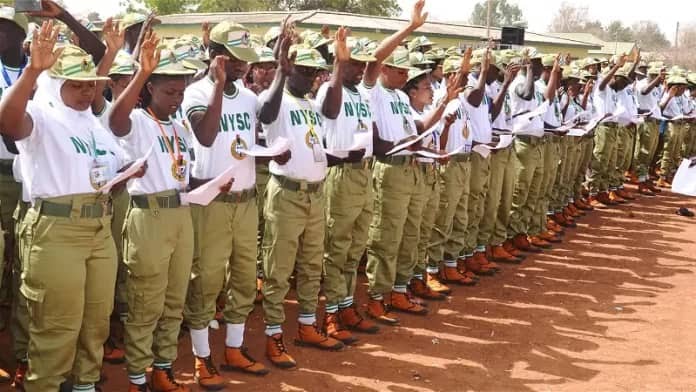
In 2003, Professor Attahiru Jega led a committee to reform NYSC and submitted a report that showed a desire for change. Now, 23 years later, those suggestions have not been put into action. At a lecture for NYSC’s 50th anniversary in 2023, Mr Jega mentioned ideas like voluntary participation, clear qualifications for members, and better welfare. He noted, “We should learn from…best practices to reposition the NYSC for more impactful contribution to national development in decades to come.” He was right.
The current system has led to issues like non-graduates being mobilized. In 2017, NYSC Director-General Shuabu Ibrahim said they were looking into such cases, as many could not even write in English. He sought help from the Economic and Financial Crimes Commission (EFCC) to fix these problems. It seems this issue may have worsened.
In our editorial on May 22, 2023, titled “NYSC at 50: Repositioning for survival, better service,” we noted that “Graduates sometimes wait for three years or more after graduation before they are mobilised.” We suggested voluntary participation and more competitive enlistment, like in Malaysia, Israel, Taiwan, and Chile, to improve the system.
Sadly, the numbers of those mobilized are rising due to illegal university admissions. The problem becomes clear when these graduates are not mobilized for NYSC. This situation was partly due to the pleas of vice-chancellors to the Minister of Education, who admitted to issues between 2017 and 2022.
For NYSC to evolve into a program that truly builds skills and innovation, the government must acknowledge its failures in education. Underfunded universities and polytechnics with outdated facilities cannot produce graduates ready for today’s job market.
The US shows that tech innovation comes from quality high school education, the kind that Steve Jobs, Mark Zuckerberg, and Bill Gates used to build their companies without university degrees. Nigeria needs to improve basic and secondary education to nurture a digital culture.
Nigerians are eager to see what this reform will mean for our national values and leadership skills that youths will learn during orientation. This is crucial given the lack of proper leadership and values in our public space, which the youths know well.
Moreover, issues like the non-punishment for certificate forgery in the 2026 Electoral Act and the ₦1.3 billion budget for a “fake agency” raise ethical questions about our values. The recent rigging of political party primaries and vote buying also need serious attention regarding “Nigeria’s values.” These are troubling legacies that any reform of youth orientation through a revamped NYSC must tackle.



Drop your comment
No comments yet — be the first to drop the gist 👇