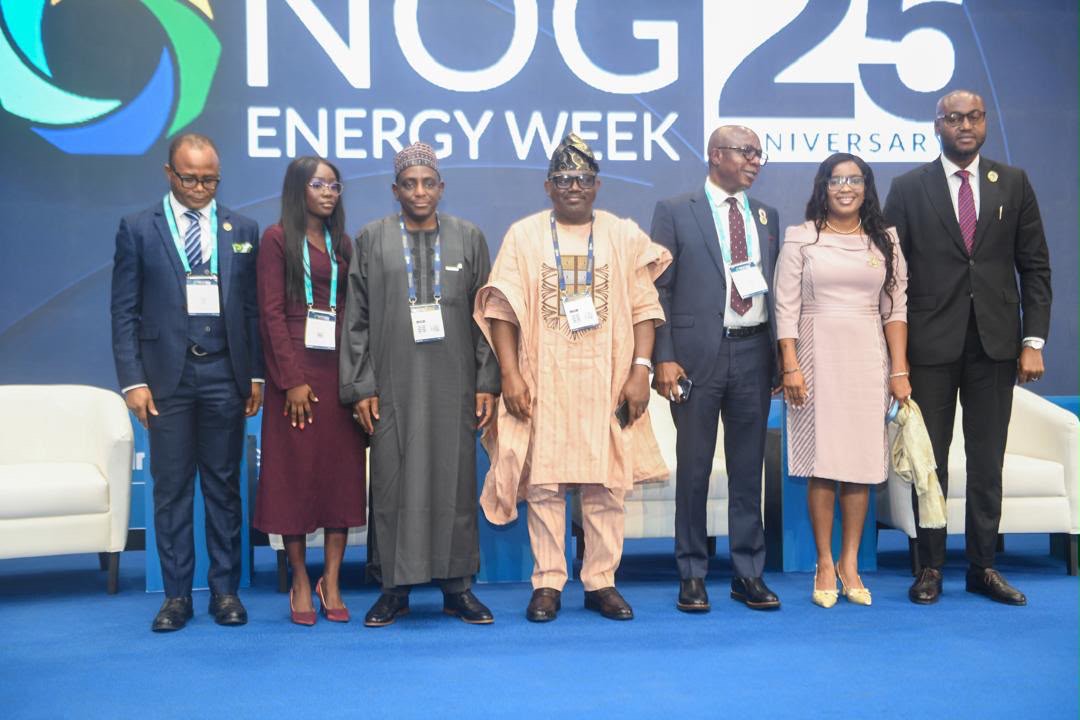
The Nigerian Content Development and Monitoring Board (NCDMB), the Nigerian Upstream Petroleum Regulatory Commission (NUPRC), the Nigerian Midstream and Downstream Petroleum Regulatory Authority (NMDPRA), the Nigerian Petroleum Exchange (NIPEX), and the Oil Producers Trade Section (OPTS) have come together to create a new framework. This framework will help standardize how different in-country capacities and capabilities are ranked.
Felix Omatsola Ogbe, the Executive Secretary of the NCDMB, shared this information on Monday in Abuja during the 25th Nigeria Oil and Gas (NOG) Week. He mentioned that the main areas of focus for the next phase of local content growth will be capacity expansion, industrialisation, manufacturing, sustainability, and global competitiveness. This marks a shift from just looking at local participation and compliance.
In the first 15 years after the Nigerian Oil and Gas Industry Content Development (NOGICD) Act was signed into law in 2010, local participation grew from less than five percent to 61 percent. Nigerians now own and manage key operational assets. They provide services, execute projects, and play a big part in the oil and gas value chain.
Abayomi Bamidele, who is the Director of the Capacity Building Directorate (CBD) at NCDMB, spoke on behalf of the Executive Secretary. He said Nigeria’s energy sector can now support a strong manufacturing base. But many local manufacturers face problems like limited market access, technology gaps, and issues with financing.
Bamidele emphasized that solving these problems needs teamwork among regulators, operators, service companies, financial institutions, and manufacturers. He also highlighted that the Nigerian oil and gas industry has a chance for good collaboration based on the Presidential Directives on Local Content Compliance Requirements.
He explained that the Harmonisation Road Map created by the oil and gas industry agencies, along with the OPTS, will lead to changes in their certification portals. This will prepare them for joint industry capacity audits of local manufacturers and service providers in the oil and gas sector. The audit will help understand existing capacities, cut out middlemen, speed up contracting cycles, and ensure direct support for established service providers.


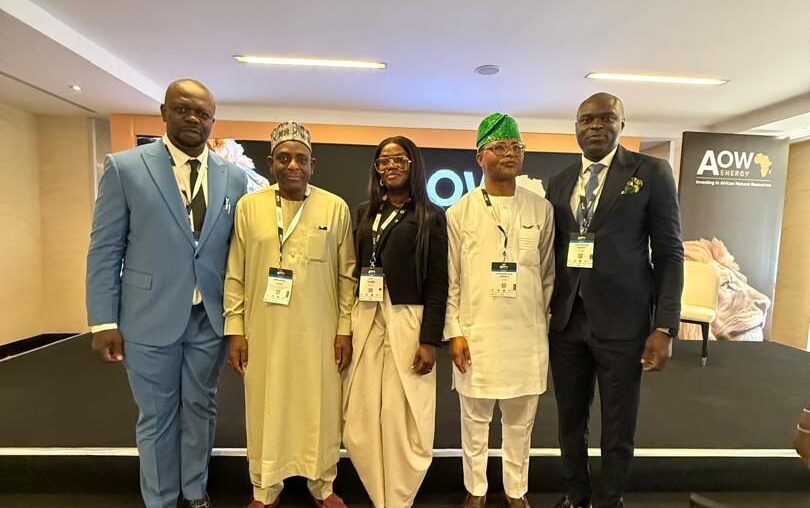
Bamidele noted that this capacity audit will help find service providers who can support major capital projects, like the seven Deepwater Projects. The industry has adopted five classes of service providers under the Harmonisation Framework, which includes new players in the oil and gas sector who need various kinds of support.
He said, “Class 4 and Class 5 of the Framework, called ‘Emerging Players’ and ‘Essential Vendors,’ will lay the groundwork for a strong vendor development program. This program aims to help these service providers become manufacturers and original equipment manufacturers.” He expects the joint capacity audit to start within this third quarter.
He added, “As we look ahead, I believe the next phase of local content development should focus on three main priorities.” The first priority is competence, which means investing continuously in human capital, technology transfer, innovation, and technical excellence to ensure Nigerian firms meet global standards.
The second priority is capacity expansion. He stressed, “We must move intentionally towards manufacturing, industrialisation, and developing scalable productive assets.” The third priority is collaboration. He said industry operators, service companies, government agencies, financial institutions, original equipment manufacturers (OEMs), and research institutions must work together to create sustainable industrial ecosystems.
Bamidele also mentioned recent efforts by the Board to build capacity. These include the Nigerian Content Equipment Certificate (NCEC) Application Guidance Notes to clarify requirements for application approvals, the Field Readiness Training Programme focusing on the top 10 high-demand areas, the Nigerian Content Trainers Registration Certificate (NCTRC), the Back-to-the-Creek Initiative, and the Cradle-to-Career Academic Excellence Recognition and Advancement Programme.




Drop your comment
No comments yet — be the first to drop the gist 👇