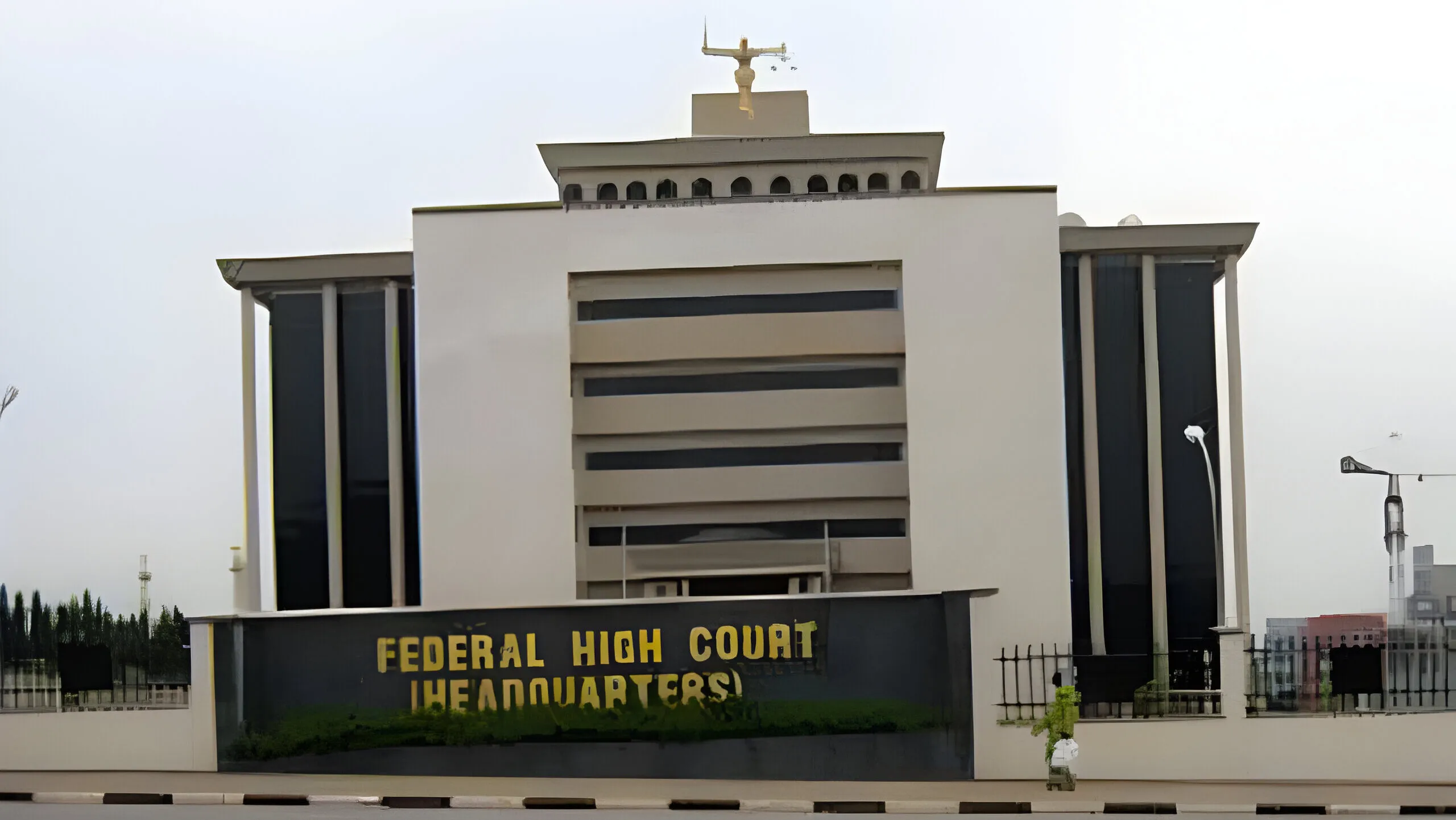
The Federal High Court in Abuja postponed the trial of alleged coup plotters on Tuesday. This was due to disagreements over how to interpret the Hausa testimony of one defendant.
Judge Joyce Abdulmalik adjourned the proceedings until 20 July. This followed several complaints from defence lawyer Sanusi Musa, a Senior Advocate of Nigeria, about interpreters not translating the testimony of the sixth defendant, Abdulkadir Sani, accurately.
Mr Sani is disputing the voluntariness of his statement that the prosecution wants to use as evidence.
The judge released Mr Sani and instructed the parties to find a neutral interpreter from the defendant's specific linguistic background. She emphasized that a general Hausa interpreter was not sufficient.
"Find out exactly where this witness is from," the judge said, noting that the court needed an interpreter who could accurately convey the witness's evidence for everyone involved.
PREMIUM TIMES reported that on 22 April, the federal government charged a retired army general, Mohammed Ibrahim Gana, along with five others.
The five co-defendants include Erasmus Ochegobia Victor, a retired navy captain; Ahmed Ibrahim, a police inspector; Zekeri Umoru, an electrician at the Presidential Villa; Bukar Kashim Goni; and Mr Sani, an Islamic cleric from Zaria.
These six men face accusations of trying to overthrow the government led by President Bola Tinubu. They have all pleaded not guilty to the charges.
Frequent Changes in Interpreters
On Tuesday, arguments continued about the interpretation of the witness’s testimony.
Mr Musa questioned the first interpreter, a young man, for not translating the witness’s evidence correctly.
The court then brought in a second interpreter, a woman, but the defence raised concerns again about the accuracy of her interpretation.
A third interpreter, a young lawyer from the defence team, was called in for help. Before he started interpreting, Mr Musa told the court that if the lawyer took on the interpreter role, he would stop acting as counsel in the case.
As the witness continued, the defence again said the witness was not understanding the questions.
Judge Abdulmalik noted that an interpreter has responsibilities to both the court and the witness.
This situation led the judge to postpone the trial until 20 July for the continuation of the trial within a trial.
The judge had ordered this trial-within-trial on 11 May. Defence lawyers had objected to the admissibility of the statements and video recordings that the prosecution wanted to present. They argued that the statements were not made voluntarily.
PREMIUM TIMES also reported that the prosecution called four witnesses before the defence challenged the voluntariness of the defendants’ statements.
The fourth witness, an army officer identified as AAA for security reasons, has not yet been released from the case. The prosecution had shared video recordings of the defendants’ interrogations before the trial within a trial began.
The prosecution finished its case in the trial-within-trial on 23 June. The defendants started their defence on 25 June.
What the Sixth Defendant Said
During questioning by Mr Musa, Mr Sani insisted that his statements were not made willingly.


He explained to the court that before officers recorded his video statement on 11 December, they took him from the EFCC office. They covered his face with a black cloth and did the same to a young man who was with him.
"They later told the boy he could go. I was left with only them in the vehicle," he said.
He said he was then taken to the Defence Intelligence Agency headquarters. There, an officer first looked at his EFCC statement before setting it aside.
The officer asked if he knew why he was there before questioning him about Sanda and Colonel Maji.
Prosecution’s Case
According to the prosecution, a sergeant named Sanda Usman acted as the middleman for the alleged coup's leader, Colonel Mohammed Ma’aji. They said Mr Sanda approached Mr Sani for prayers and spiritual support regarding the alleged plot.
Mr Sani testified that he had known Mr Sanda for about 10 years because he often sought his prayers. When asked about Colonel Maji, he repeatedly denied knowing him.
"I swear, I swear, I swear, I have never known Colonel Maji," he told the court.
He added that the interrogating officer accused him of lying. "He shouted at me. He told me I was lying," he said, noting that this accusation affected him deeply.
"I preach to about 500 people and nobody has ever said that I am lying," he explained, adding that his voice changed because he was upset.
He told the court that the officers thought he was crying, but he insisted that he was not.
The officer offered him water, but he refused because he was fasting. Mr Sani further explained that shortly after being taken to another room, a man who spoke Hausa came in and talked to him privately.
He said the man warned him that if he kept denying knowledge of Colonel Ma’aji, "there is a possibility that they might embarrass" him. Mr Sani maintained that he did not know Colonel Ma’aji.
"Why will I say something I don’t know?" he recalled telling them. After that, he was taken back to the interrogation room, where questioning resumed.
Eventually, he admitted knowing Colonel Ma’aji after continued pressure. He explained that he knew him because the officer had once come to him for prayers.
At this point, prosecution lawyer Rotimi Oyedepo, a Senior Advocate of Nigeria, objected. He argued that the witness had gone off-topic and started discussing the statement's contents.
But Mr Sani’s lawyer, Mr Musa, opposed the objection. He argued that the court had ordered a trial within a trial to examine if the statement was made willingly. He suggested that if the prosecution had issues with the evidence, they should bring it up in their final written address.
Judge Abdulmalik partially supported the objection. She noted that while she understood the witness was giving background, the court was focused only on how the statement was made.
She instructed the defence to limit its questions to the circumstances that led to the statement being made.
As the proceedings continued, the disagreements over the interpretation of the witness’s testimony led the judge to postpone the trial within a trial until 20 July. The parties need to provide a neutral interpreter from the witness’s exact linguistic background.


Drop your comment
No comments yet — be the first to drop the gist 👇