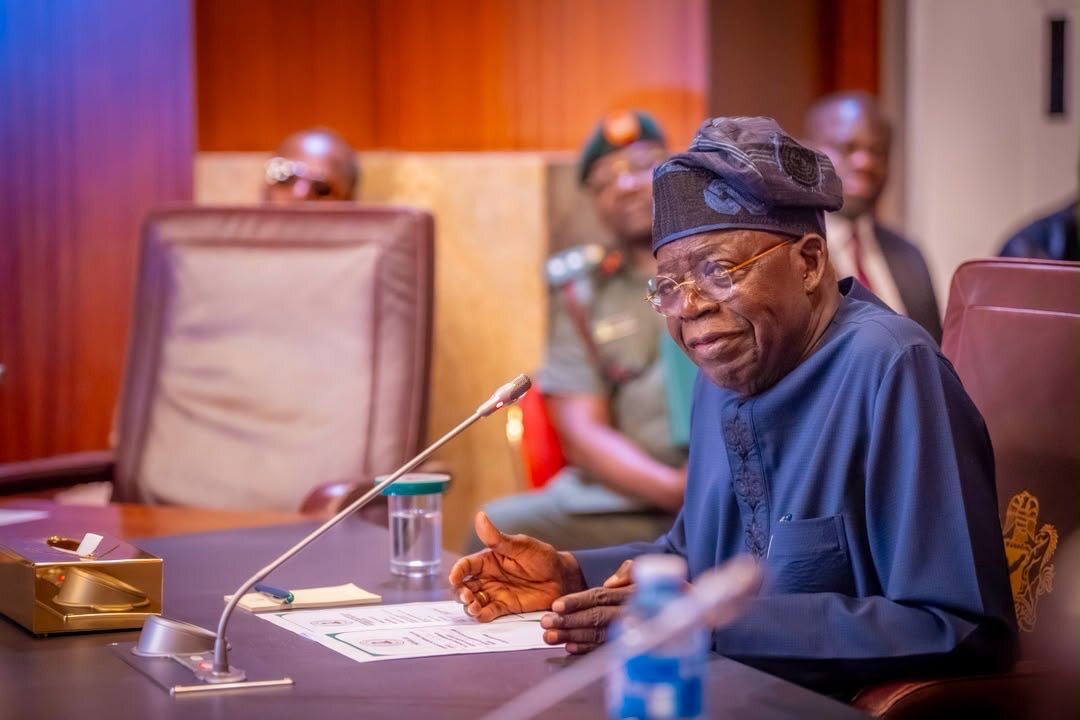
President Bola Tinubu has sent two bills to the Senate. These bills aim to improve the enforcement of drug-related crimes and make the Nigerian Safety Investigation Bureau (NSIB) an independent safety investigation authority.
The bills plan to repeal and re-enact the National Drug Law Enforcement Agency (NDLEA) Act and the Indian Hemp Act. They also propose changes to the Nigerian Safety Investigation Bureau (Establishment) Act of 2022.
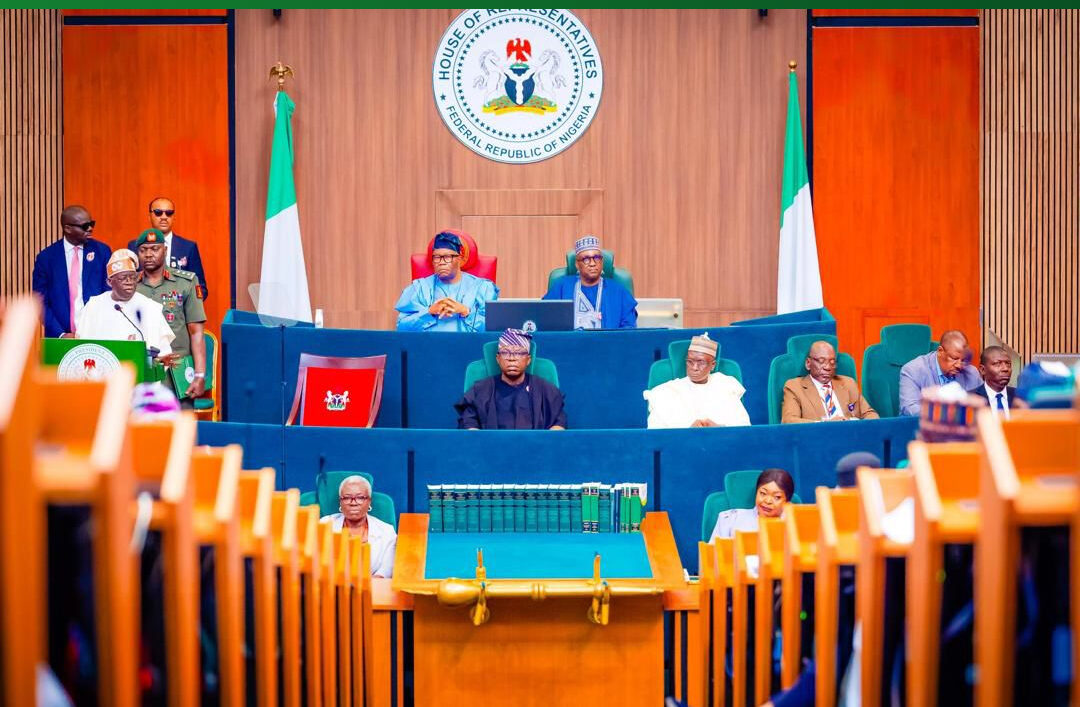
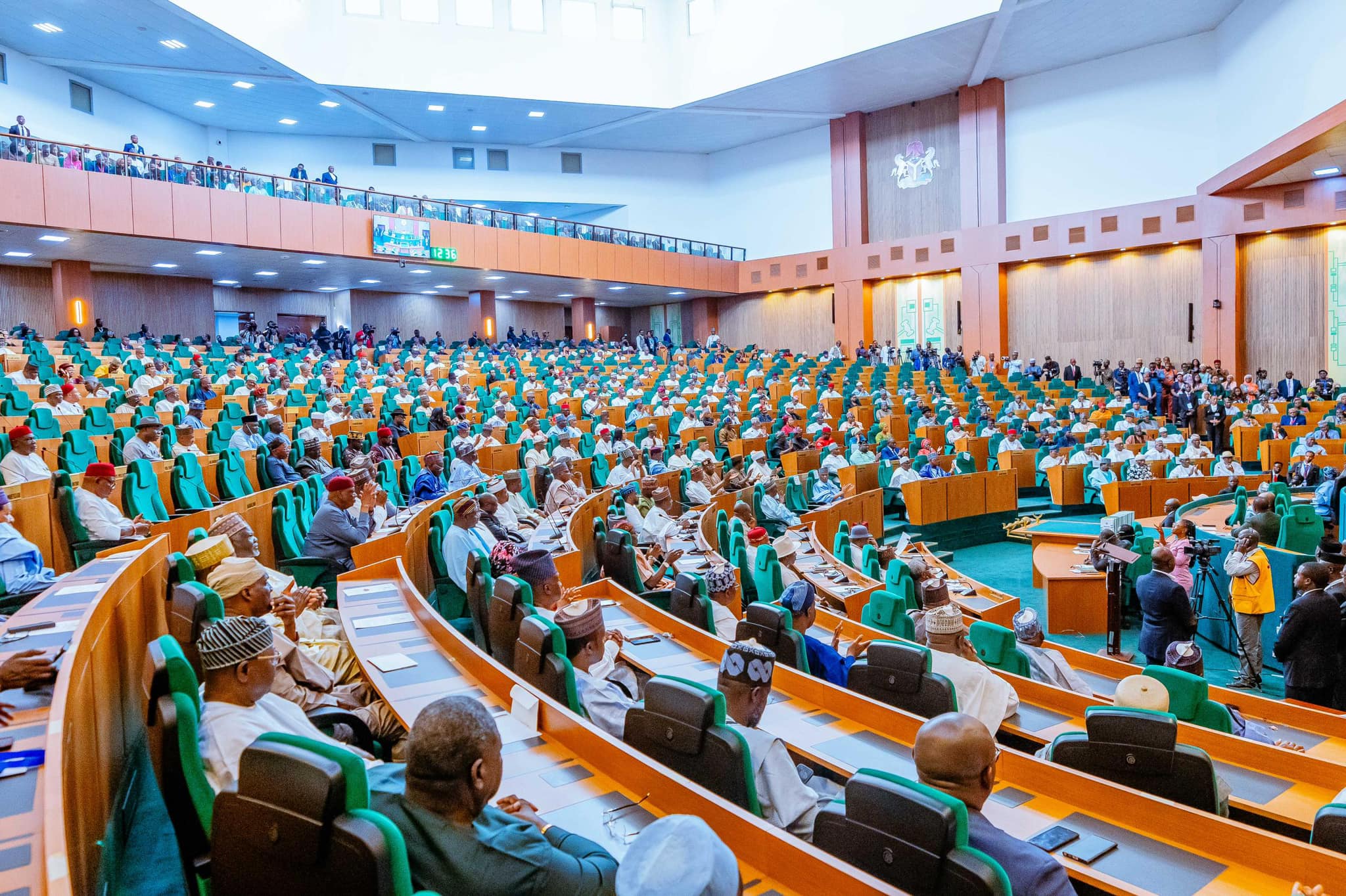
Mr Tinubu sent the bills in separate letters that Senate President Godswill Akpabio read during the plenary session on Tuesday. He sent the bills according to Section 58(2) of the Nigerian Constitution.
NDLEA Bill
In his letter about the NDLEA bill, Mr Tinubu said the bill aims to repeal the current NDLEA Act and the Indian Hemp Act. It wants to set up a single legal framework to fight drug-related crimes.
He noted that the proposed law would boost enforcement against growing, processing, selling, trafficking, and using illegal drugs. It would also give the agency the power to investigate people suspected of drug-related activities.
“The National Drug Law Enforcement Agency Bill 2026 seeks to repeal the National Drug Law Enforcement Agency Act, Cap. N30, and the Indian Hemp Act, Cap. I16, Laws of the Federation of Nigeria 2004, and to enact a consolidated framework to enforce the law against the cultivation, processing, sale, trafficking and use of hard drugs,” the president said.
Mr Tinubu asked lawmakers to consider the bill quickly. After reading the letter, Mr Akpabio sent the bill to the Senate Committee on Rules and Business for further action.
Nigeria is a source, transit, and destination country for illegal drugs. Trafficking networks deal in everything from cannabis and cocaine to methamphetamine and other synthetic drugs.
The United Nations Office on Drugs and Crime (UNODC) reported in its 2025 assessment that Nigeria's methamphetamine production capacity had grown by over 40 percent since 2020. The report also noted increased seizures of synthetic drugs across West Africa and the region's ongoing role as a transit route for cocaine trafficking from Latin America to Europe.
Despite several enforcement operations, the drug trade remains a big problem for Nigerian authorities. The NDLEA reported that it arrested more than 18,500 suspected drug offenders and seized over 2.6 million kilograms of illegal substances in 2024.
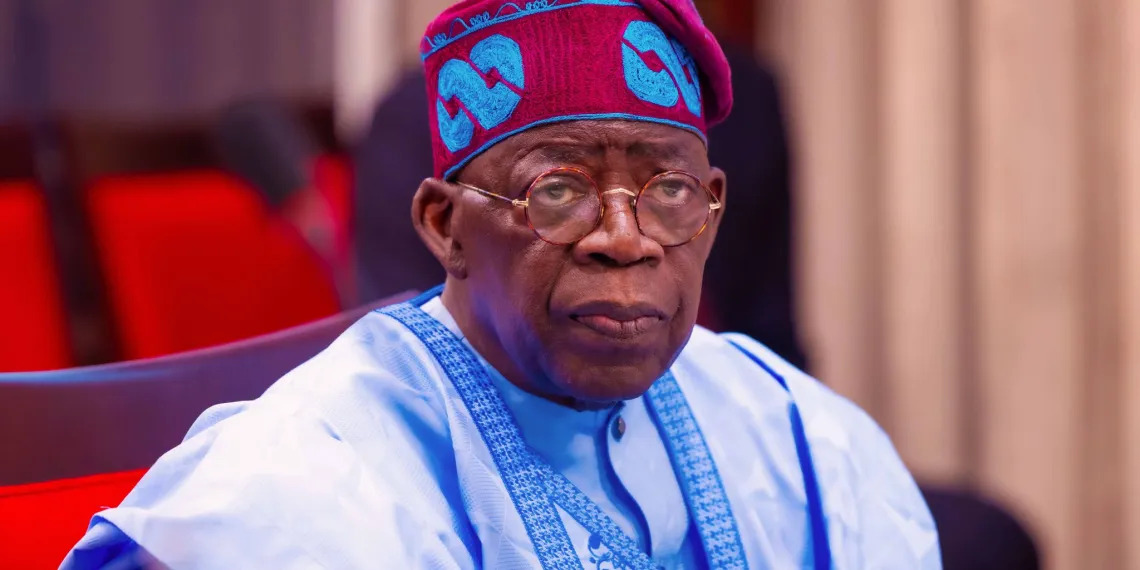
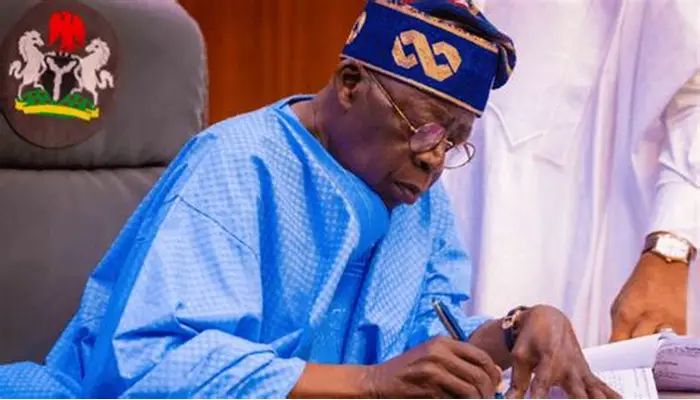
If the bill is passed, its success will depend not just on the law itself but also on the agency's ability to investigate and prosecute offenders, break up trafficking networks, secure borders and ports, and tackle the profits from illegal trade.
NSIB Amendment Bill
In another letter, Mr Tinubu sent the Nigerian Safety Investigation Bureau (Amendment) Bill 2026. This bill aims to change the Nigerian Safety Investigation Bureau (Establishment) Act of 2022.
The proposed law wants to make the bureau an independent authority for safety investigations. Under these changes, the bureau's role would expand to cover accidents and incidents in rail, maritime, and other transportation modes.
The bill also wants to move the bureau's oversight to the Presidency and enhance its powers in operations and administration. The president urged the Senate to look at this proposed legislation.
The senate president then referred the bill to the Senate Committee on Rules and Business for further action. The proposed changes to the NSIB Act come amid calls for trustworthy, independent investigations into transportation accidents and serious incidents.
The NSIB, which was formerly the Accident Investigation Bureau (AIB), investigates transportation accidents to find out what happened and why. It recommends ways to prevent similar events. Its investigations focus on safety, not on assigning blame or criminal liability. The bureau looks into aviation, maritime, and rail transportation.
Making the bureau an independent, multimodal investigation authority could help it investigate accidents without pressure from other institutions involved. It might also boost public trust in its findings, help put safety recommendations into action, and encourage accountability in the transportation sector.
But how well this will work depends on the final details of the bill. This includes how the bureau will manage its finances, appoint its leaders, access evidence, publish reports, and protect itself from outside influence.
Even though the bill seeks to move oversight to the Presidency, how much this will ensure the bureau's independence will depend on the protections included in the law. Independence in accident investigations does not remove the responsibilities of regulators, transport operators, or law enforcement agencies to act based on findings relevant to their roles.
Drop your comment
No comments yet — be the first to drop the gist 👇