It was a shocking moment for many.
This week, Nigeria's democratic system faced serious questions. The Economic and Financial Crimes Commission (EFCC) used its powers to freeze the accounts of Osun State Government over claims of financial misconduct. There was no court ruling on any wrongdoing. But within hours, President Bola Tinubu stepped in and ordered the EFCC to unfreeze the accounts. He simply said he was "deeply embarrassed."
This situation has raised worries about how political influence affects Nigeria’s democracy. It is not just about choosing one side over another. It highlights a bigger issue: institutions that can be swayed by politics or that have too much power without proper checks.
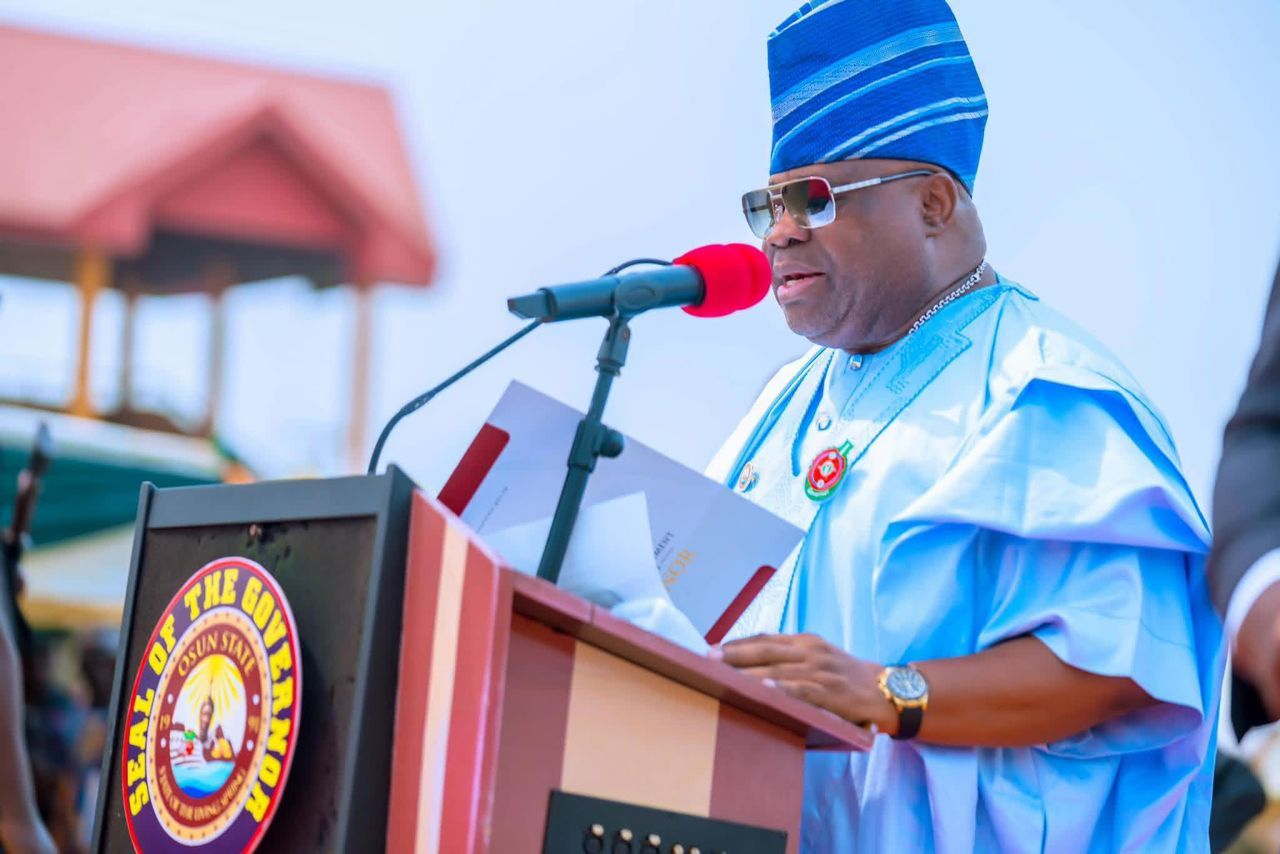
The political backdrop makes this incident hard to ignore. Osun State Governor Ademola Adeleke is running for re-election. He faces strong competition from the ruling party, which wants to reclaim the state it lost nearly four years ago. With this in mind, the EFCC’s move to freeze the accounts just days before the election raised eyebrows.
President Tinubu seemed to understand that. He said, "I feel deeply embarrassed… by the timing of the agency’s action."
Nigeria’s main challenge in governance is not the lack of regulators. It is the slow loss of their independence and the misuse of the powers given to them by Parliament. Agencies meant to regulate markets, fight corruption, or supervise public services often act under the influence of the Executive, whether directly or through public perception.
That is why the President’s reasoning needs more attention. Tinubu said he stepped in to maintain "public confidence and the integrity, credibility, and fairness of our democratic process." But his public reversal of the EFCC has unintentionally strengthened a damaging view: that political interests can dictate regulatory actions in Nigeria. For investors, businesses, and citizens, knowing that institutions are reliable is just as important as the law itself.
This does not mean we should ignore questions about the EFCC’s actions. Freezing a state government’s accounts just before a governorship election raises serious concerns. Especially if people believe that the Commission’s chairman, Ola Olukoyede, was acting in a way that could help the ruling party. Whether this view is valid or not, it is now part of public discussion.
The President himself recognized the risk. He stated, "Osun State is only a few days away from its gubernatorial election. Therefore, nothing ought to be done to give an impression that the EFCC or indeed any other agency of the federal government is being used to interfere with the election."
That statement should be more than just an explanation for one action. It should be the beginning of changes to make institutions better.
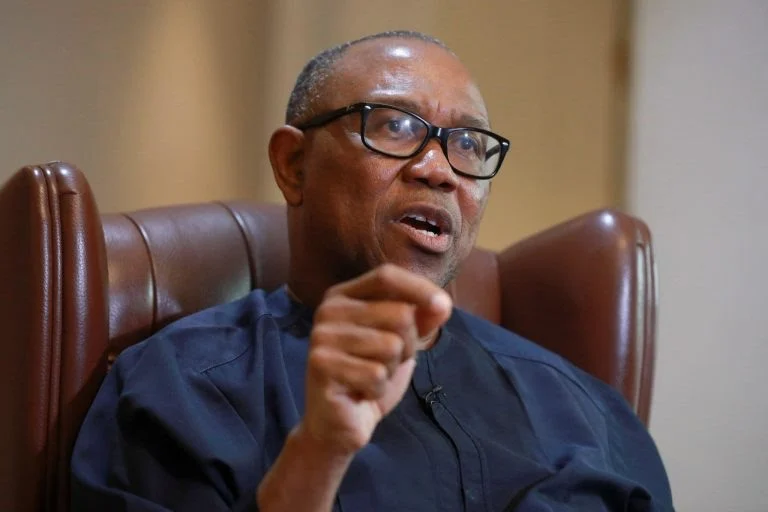
This situation is like a repeat of past mistakes. President Tinubu knows this playbook well. During his time as Governor of Lagos State, he faced serious interference from federal power. Now, seeing his administration use similar tactics feels like a former victim taking on the whip. Will Tinubu break this cycle instead of repeating it?
Nigeria’s Constitution spends a lot of time discussing how political power is shared among the Executive, Legislature, and Judiciary, as well as between the federal and state governments. It pays less attention to creating institutions that can stay independent no matter who is in power.
The real measure of a strong institution is not just in the Constitution but in how governance is structured: who picks the regulators, how they can be removed, how they get funding, and if their boards are truly independent. These factors affect anti-corruption agencies, financial regulators, electoral bodies, and almost every institution expected to act above politics.
The EFCC itself shows this issue. Today, many Nigerians know the Commission’s chairman, but few know who is on its Board. The EFCC Act 2004 states that there should be representatives from several government bodies and four respected Nigerians from outside government.
Who are these independent members? What qualifications do they have? How were they chosen? Most Nigerians cannot answer these questions.
From a governance point of view, good boards should include many truly independent directors who can oversee matters fairly. But the EFCC Board is mostly made up of representatives from government bodies. This setup risks turning the EFCC into a body focused on coordinating agencies rather than independent governance.
Institutional decline usually starts quietly, not with visible failures. It begins in boardrooms, where oversight weakens long before anyone notices.
Nigeria does not lack anti-corruption laws. The country has strong laws against financial crime, procurement abuse, money laundering, and illegal enrichment. The ongoing challenge has never been about the laws but in building strong institutions that can enforce them fairly and free from political interference.
President Tinubu may have been "deeply embarrassed" by the EFCC’s timing. The bigger embarrassment would be letting Nigeria’s institutions remain so politically weak that every decision becomes more about politics than the law. That is a leash no serious democracy should put on its regulators.
Drop your comment
No comments yet — be the first to drop the gist 👇