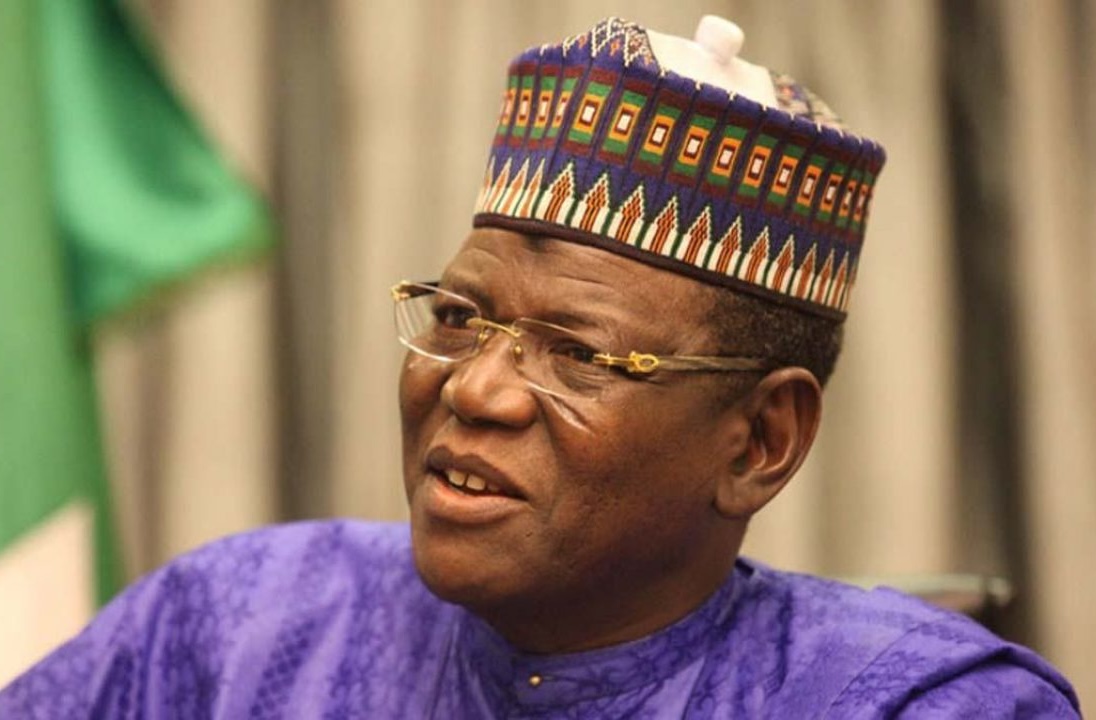
The trial of former Jigawa State Governor Sule Lamido and his two sons over alleged N1.35 billion fraud was put on hold on Monday at the Federal High Court in Abuja.
The session did not continue as planned because the lead defence lawyer, Joe Agi, a Senior Advocate of Nigeria, was absent. His absence was explained by health issues.
The Economic and Financial Crimes Commission (EFCC) shared this update in a statement released on Monday by its Head of Media and Publicity, Dele Oyewale.
Mr Lamido and his sons, Aminu and Mustapha, are facing 37 money laundering charges. The charges involve N1.35 billion which is said to be from kickbacks and fake contract awards.
These alleged crimes took place while Mr Lamido was governor of Jigawa State from 2007 to 2015.
In the statement, the prosecution lawyer, Chile Okoroma, a Senior Advocate of Nigeria, told Judge Ijeoma Ojukwu that Mr Agi had sent a letter explaining his absence due to medical reasons after surgery. He requested an adjournment.
Mr Okoroma wished Mr Agi a quick recovery but argued that another lawyer from his team should have shown up so the trial could go on. This information came from the EFCC statement.
"Another counsel in his team ought to have appeared for him so that the trial can continue, especially as the matter has lingered in court since 2015," Mr Okoroma was quoted as saying.
He also noted that the judge travelled from her judicial division in Calabar, Cross River State, to oversee the case in Abuja. Because of this, Mr Okoroma asked the court to grant only a one-day adjournment.
Judge Ojukwu accepted the request and postponed the case for the trial to continue later.
The case has been in court for over ten years since the EFCC filed the charges against Mr Lamido, his sons, Aminu and Mustapha, Aminu Wada Abubakar, and two companies, Bamaina Holdings Limited and Speeds International Limited, in 2015.
The EFCC accused the defendants of misappropriating about N1.35 billion from Jigawa State through money laundering, kickbacks, and fake contract awards during Mr Lamido's governorship from 2007 to 2015.
All defendants pleaded not guilty.
After calling 17 witnesses, the EFCC closed its case and asked the court to make the defendants start their defence.
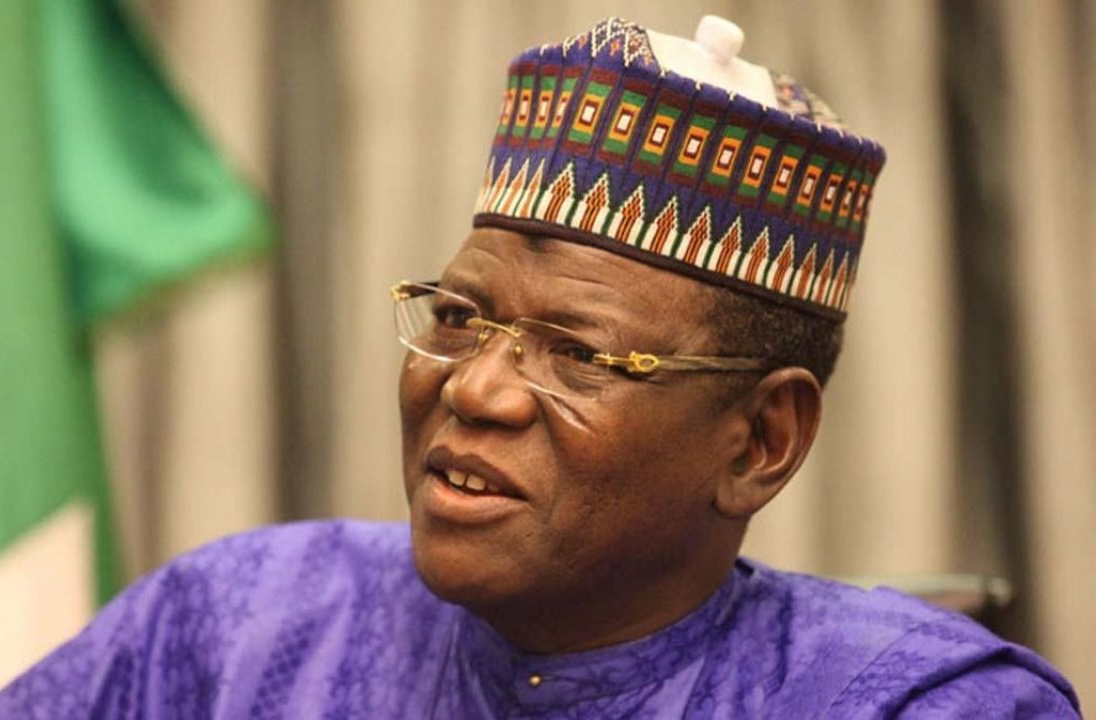
In November 2022, Judge Ojukwu agreed with the prosecution and dismissed the defendants’ submission that there was no case against them.
But the Court of Appeal overturned this decision on appeal by the defendants and discharged them.
The appellate court said the Federal High Court in Abuja did not have the right to hear the case because the alleged crimes happened in Jigawa State.
Meanwhile, the Supreme Court reversed that decision in January, restoring Judge Ojukwu’s ruling and ordering the defendants to return to the Federal High Court to continue their defence.
After the Supreme Court’s ruling, the case was handed to Judge Peter Lifu for re-arraignment.
But this did not happen because the prosecution insisted the case should go back to Judge Ojukwu, who was familiar with the evidence and had already heard all the prosecution witnesses.
The prosecution told the court it wrote to the Chief Judge asking for the case to be reassigned.
Eventually, the matter returned to Judge Ojukwu, and the defence started its case in June.
At the last hearing on June 2, the proceedings focused on documents obtained via a subpoena issued to the EFCC chairman.
An investigator from the EFCC admitted during cross-examination that he was not part of the team that investigated the case.
Defence lawyers claimed that the witness had no personal knowledge of the investigation, while the prosecution argued it had followed the subpoena by providing the requested documents.
Judge Ojukwu accepted the documents as evidence and ordered that the trial should continue.
Drop your comment
No comments yet — be the first to drop the gist 👇