The World Health Organisation (WHO) has given the green light for two new Ebola vaccine candidates to be tested in the Democratic Republic of the Congo (DRC). This comes as efforts to find effective treatments continue.
On Wednesday, WHO announced that these vaccines are specifically designed for the Bundibugyo virus. They will be tested for the first time during the current outbreak of the disease.
The two vaccines are ChAdOx1, created by the University of Oxford with the Serum Institute of India, and Moderna’s mRNA-1469.
WHO said its independent Technical Advisory Group on Candidate Vaccine Prioritisation recommended the vaccines based on early clinical and preclinical evidence. Their use is pending national approvals.
Tedros Ghebreyesus, WHO Director-General, described this progress as a result of scientific teamwork. He thanked researchers, health workers, partners, and participants in the clinical trials.
He said the contributions from participants would provide vital evidence to help save lives. He added that vaccines alone won't stop the outbreak, but they can help control it.
The vaccine trial is being led by the Institut National de Recherche Biomédicale, DRC’s public health and biomedical research institute. They are working with WHO, the University of Antwerp, and other international partners.
Collaborating groups include Epicentre, Médecins Sans Frontières, the Institute of Tropical Medicine of Antwerp, and the Africa Centres for Disease Control and Prevention.
Tedros mentioned that the speedy development of these vaccine candidates was supported by funding from the Coalition for Epidemic Preparedness Innovations.
He said the Tumaini trial will evaluate several vaccine candidates using a ring-vaccination method. This involves vaccinating those who have been in contact with confirmed Bundibugyo virus cases.
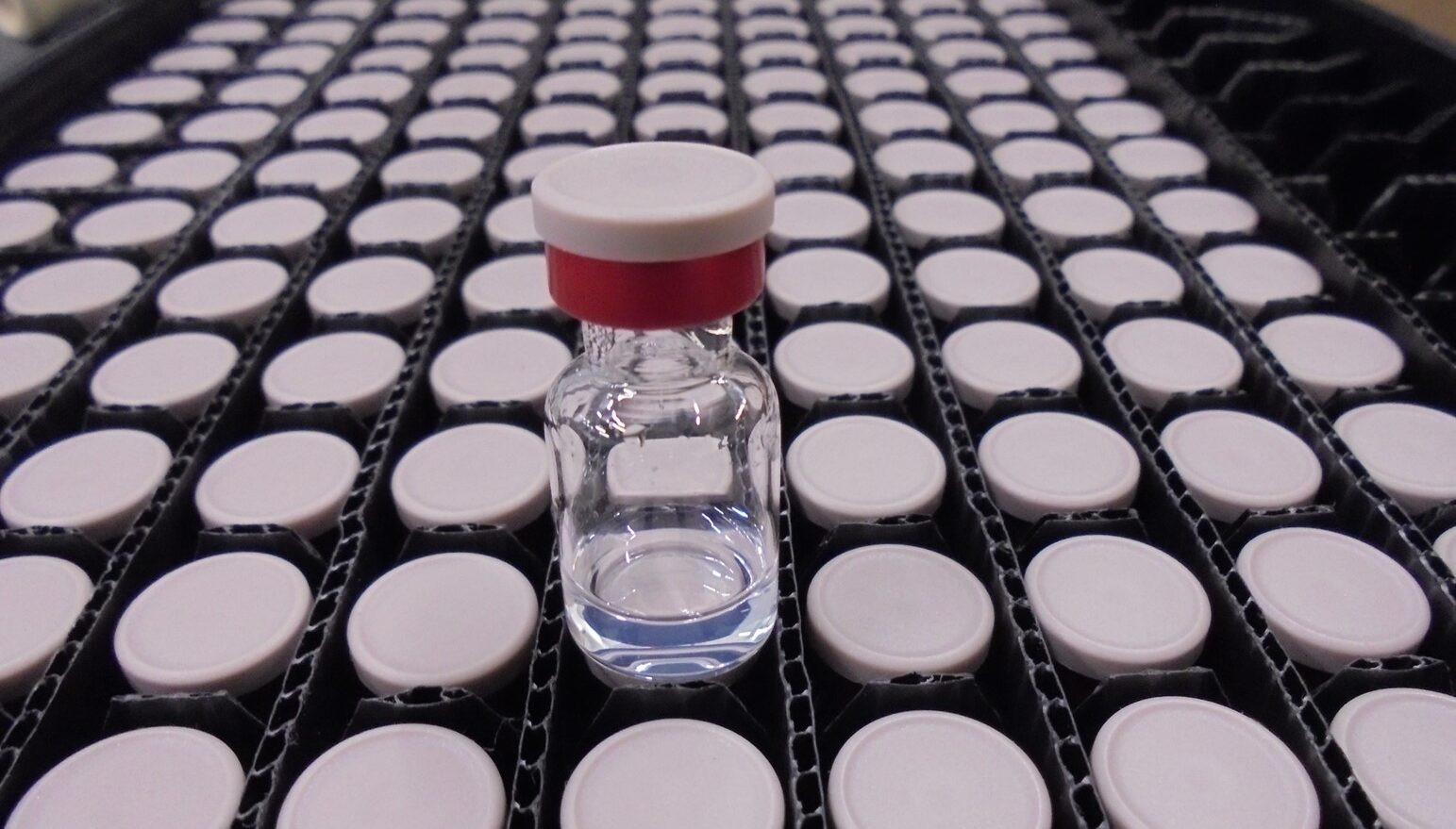
This method builds on a strategy used during the West African Ebola outbreak. A significant trial in Guinea showed the Ervebo vaccine's effectiveness against Zaire ebolavirus.
Ervebo is also the first vaccine being tested in the Tumaini trial to check its effectiveness against the Bundibugyo virus.
Tedros added that four vaccination rings have already been set up, with plans for more to include contacts of those who have been sick or died from Ebola.
He also mentioned that research on potential treatments is moving forward through the WHO-sponsored PARTNERS trial, which started in July to test treatments for confirmed Bundibugyo virus patients.
This trial is looking at whether the monoclonal antibody MBP134, the antiviral drug remdesivir, or a mix of both can help patients survive.
Tedros said another treatment, maftivimab, would soon be included in the trial. There is also an ongoing study on obeldevisir for preventing infection after exposure.
He explained that WHO is helping with outbreak research through its Research and Development Blueprint and Health Emergencies Programme. They provide technical advice, research plans, and operational support.
Tedros said they are also coordinating research partners and ensuring that studies during the outbreak meet high scientific and ethical standards.
He expects initial results from the treatment trials in the coming months, while results from the vaccine trial are expected by early 2027.

Drop your comment
No comments yet — be the first to drop the gist 👇