
The Economist’s article, “Nigerians Dislike Their President, But May Re-elect Him Anyway,” is bold but limited. It acknowledges the dislike for President Bola Tinubu but claims it won't matter in the elections. The article suggests that incumbency, a divided opposition, a Muslim-Muslim ticket, and low public expectations will help Tinubu win again in January 2027. The magazine describes the political setup but fails to capture the real situation in Nigeria. It mistakenly treats a prediction as a fact.
A prediction is not a fact. The political landscape can change quickly. A week is a long time in politics, and anyone who thinks the outcome is already certain is mistaken. Here’s a response to the claims made in the article.
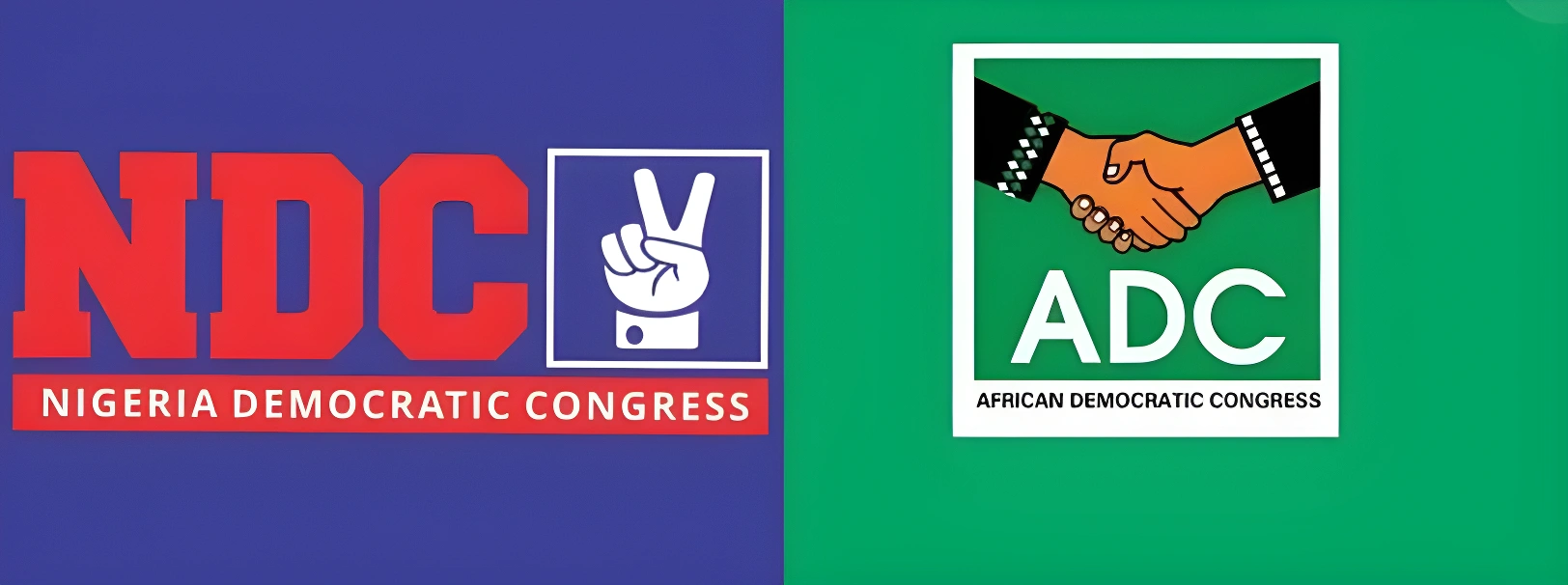
The opposition is split, but that is not a rule. The Economist’s analysis suggests that Atiku Abubakar and Peter Obi's inability to work together, along with the African Democratic Congress and Nigeria Democratic Congress still negotiating, will keep Tinubu in power. This split was crucial in 2023, but it is not a guarantee for 2027. The magazine reports a current situation but files it as a future certainty.
What has changed is the cost of division. A failure to unite could again give the incumbent an advantage. That is a risk for the opposition. It should not be treated in London as a permanent issue. The Economist wrongly assumes that a lack of coalition today means none can be formed by January. In Nigeria, coalitions have been made and broken in less time than we have left. A week is a long time in politics, and several months is even longer.
Religion won't hold the North or the Middle Belt. The article claims that a Muslim-Muslim ticket protects the President in areas where his party has done well, and that northern voters may ignore past failures. But its own sources contradict this. SBM Intelligence, which the magazine cites, shows him trailing behind both Peter Obi and Atiku Abubakar in Borno, a state he won with about 54 percent in 2023. Residents of Maiduguri have expressed their intentions to vote against him.
Low expectations do not equal acceptance. The Economist notes the cracks in support but ignores them. The Middle Belt is another area where the religious argument fails.
States like Plateau and Benue are not part of the core North. In 2023, Benue had a very close result: 310,468 votes for Peter Obi and 308,372 for Tinubu. Plateau and much of the Middle Belt went the other way. Since then, violence has continued.
Farming communities in Barkin Ladi, Bokkos, and Mangu have buried many victims, including miners and villagers, from attacks through 2026. In Benue, police have been killed in Logo, and in early October, mourners were abducted, leading to protests. Claims of fewer incidents do not match the reality faced by these communities. A magazine that analyzes this electorate through religion or cynicism has not seen the ground situation.
Where voters can reach polling stations, they may react with anger. Where they have fled, voting becomes impossible. Both situations come from the security failures that The Economist dismisses as just “low expectations.”
Promises of 620,000 votes in Benue or a million are just targets. They do not mean that the villages have agreed to them. Events can change those numbers. A week is a long time in politics.


Cynicism is not the shield the magazine believes it is. The main claim is that disappointment will lower voter turnout and help the current government. It misreads anger as indifference. In cities and rural areas that have lost harvests, people are more defensive than resigned. SBM Intelligence reported 7,825 kidnappings and 1,142 deaths from July 2025 to June 2026. Around Independence Day, gunmen kidnapped travelers on the Owerri, Onitsha Road, including National Youth Service Corps members, while the President spoke of reforms. A public aware of such issues is not one that has accepted failure.
The same mistake applies to power. The President asked for time to improve electricity. Families and businesses still rely on generators or are left in darkness. The official residence has a different arrangement. The Aso Rock solar mini-grid cost ₦10 billion in the 2025 budget and ₦7 billion in 2026. This totals about ₦17 billion so the Villa can leave the national grid. Officials have called the Villa’s annual power bill of around ₦47 billion unsustainable. Seventeen billion naira was found to keep the Presidency powered. The country is left to manage without. The Economist’s cynicism does not account for this. A voter who sees the Villa lit while their street is dark is not someone with low expectations; they see where priorities lie.
I have said that if the President wants another term, he does not need to plead for it. His work should speak for him. If he fails to provide power, he should not be re-elected. This is the test the magazine never mentions.
The magazine is correct when it says incumbents win with resources and money, and being unpopular alone has not removed them. Vote buying has shifted away from polling stations. INEC chairman Joash Amupitan has identified insecurity and vote buying as the top concerns for 2027. A household without power or crops has a cheaper vote. The ruling party can spend money where the opposition can only make promises. Allegations about vote buying should stay as allegations until proven. The imbalance does not depend on these claims. It did not matter in the recent Osun State elections. This is about the situation, not about popularity.
The Economist mixes these issues. Control over logistics and security is a real risk but does not prove that INEC will manipulate results. The piece should not be read as if the outcome is already decided. We can hope that INEC’s systems will not experience 'technical glitches' this time. An election held where armed groups control access and where one party can buy votes is far from the fair test that “let the work speak” assumes. Even that advantage is not guaranteed. Money and resources have been overcome before, especially when the last week before elections can change everything.
The conclusion the piece avoids is that The Economist is wrong to see cynicism, fragmentation, and a religious ticket as shields. It is more accurate regarding the machinery. Incumbency is an advantage. But it is not for anyone outside Nigeria to decide, and it is not a replacement for public support.
A prediction that a disliked incumbent might survive is a comment on money, divided votes, and unsafe roads. It does not mean the record is accepted. Spending ₦17 billion to take the Villa off the grid, a Middle Belt still mourning its dead, and a federal highway that puts people at risk are clear responses. If the opposition remains divided, incumbency does not need popularity. The final decision belongs to the people only as long as they can reach a polling unit and either reject the cost of voting or accept it and vote differently.
Neither side should think they have it all figured out. A week is a long time in politics. It is not yet Uhuru. The magazine has written a conclusion before the story is finished.
That is the mistake it makes. A prediction is not a verdict.


Drop your comment
No comments yet — be the first to drop the gist 👇