
A big problem has crept into how Nigerians talk about insecurity.
Every attack becomes a trending topic fast. Every setback spreads online before things settle down. Every rumour picks up speed, while checking facts takes time.
But the steady progress made by security and intelligence agencies gets little attention.
This problem has real consequences.
What is at stake is not just land or military strategy. It is about national confidence. Insecurity is not just about physical threats. It also affects how people feel.
Those who use violence know this fact well. Terrorists know how to create drama. They enjoy it. Bandits use fear to control people. They make it worse. Criminal groups know that panic can sometimes do what bullets cannot.
That is why protecting national security also means boosting national morale. Let’s be clear, morale is not a replacement for security. It helps security efforts get support from the public.
Many security agencies have long chosen to be careful.
They must keep operational details secret. Intelligence sources need protection. Strategies must not fall into the hands of enemies. These concerns are serious. Security work anywhere requires discretion.
But there is a big difference between necessary secrecy and a culture of constant silence.
When caution turns into silence, the state loses control of the information space. Rumour spreaders, political opportunists, and disinformation networks fill the gap. These vacuums do not stay empty for long.
Manipulated videos appear in minutes. Old clips are passed off as new. Exaggerated death tolls spread unchecked. Fake statements are linked to officials. Ethnic and religious stories are sharpened to create division.
In many cases, the mental harm from misinformation can be worse than the original attack.
The outcome is a twisted view of reality.
People see the attacks but not the successes. They feel the tragedies but miss the prevention efforts. They sense the fear but overlook the quiet strength. Over time, the national mood shifts towards a permanent feeling of defeat, rather than a sense of progress.
This is why sharing real security successes is not just propaganda. It is key to stabilising the situation.
A strong democracy facing tough challenges must balance being honest about ongoing issues with recognizing progress. Nigerians are not gullible. They know the country faces serious dangers.
Communities have felt deep losses. Security forces continue to make big sacrifices in tough situations. Good communication should not ignore these facts.
But we should not bury real progress under constant negativity.
Security results are rarely straightforward.
Some areas improve, while new dangers pop up. Some criminal groups weaken, even as others grow stronger. This complexity shows why we need a fuller national story. Citizens should know not just where the problems are, but also where things have started to improve, even if slowly.
Recent years have shown real operational success.
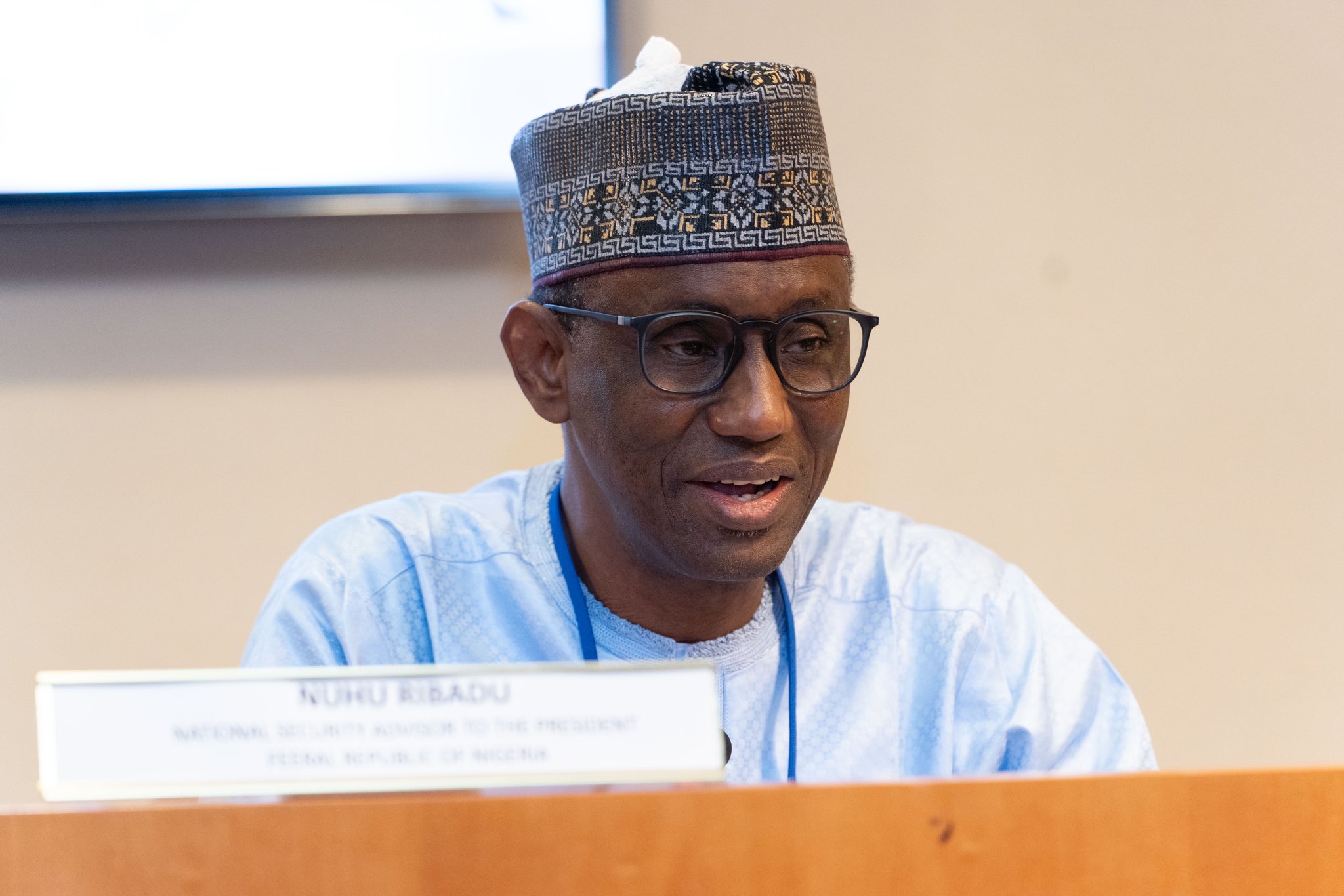
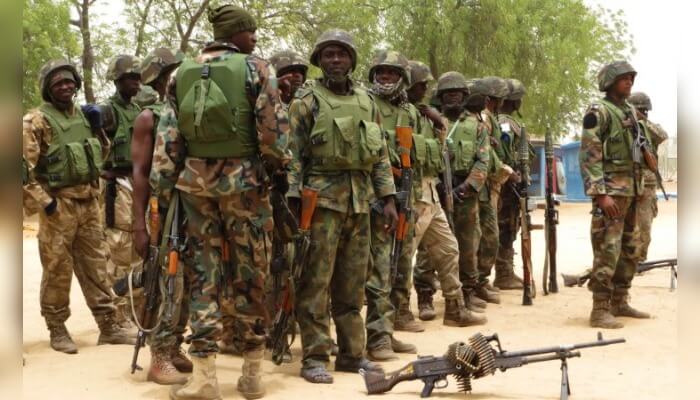
Intelligence-led actions have disrupted terrorist supplies. Hostages have been freed. Weapons have been found. Criminal camps have been taken down. Agencies are working together better in key areas. In many communities once paralyzed by fear, life is slowly getting back to normal.
These developments matter.
A farmer going back safely to work matters. A road becoming safer for drivers matters. A market reopening matters. A school running without fear matters. Protecting oil facilities from sabotage matters. Quietly saving lives matters.
Preventing attacks remains the biggest communication challenge.
When an attack is stopped before it happens, there are no shocking images, no viral anger, no dramatic footage. The public rarely sees the disaster that was avoided. So, the gap widens between what is really happening and what people think.
This gap is dangerous.
It breeds distrust. It weakens faith in institutions. It affects morale among those fighting for safety. It dampens investor confidence and knocks down democratic support for long-term security plans. Most importantly, it makes space for the harmful idea that the state is either absent or powerless.

No responsible authority can ignore this risk.
Countries facing similar threats have begun to see that operational success and good communication go hand in hand. Communication itself has become part of national strength.
This does not mean careless sharing of sensitive info or turning security agencies into PR machines. Exaggeration damages credibility. The better way is disciplined transparency: timely, factual, and properly explained information where security allows.
Citizens should see the ongoing challenges but also where progress is being made.
The real measure is not just the number of weapons seized or arrests made, but the return of normal life. Can traders move safely? Can farmers work with confidence? Can kids go to school without fear? Can communities get back to their usual lives?
These are the questions ordinary Nigerians care about because they affect daily life.
In the end, security is about bringing back normal human life.
Good communication also acts as a deterrent.
Violent groups thrive on stories of their power and narratives of state weakness. Showing that these networks can be disrupted and weakened makes them less appealing. It makes crime look less attractive and more pointless.
Morale is also vital.
The men and women in uniform face huge pressure and danger. A society that only highlights failures while ignoring successes weakens those who protect it. Acknowledging real gains respects their sacrifices without glamorizing conflict.
Nigeria now faces an important challenge.
It must build a communication culture around security that is calm but not evasive, open but not reckless, reassuring but not dishonest, and patriotic but not just empty talk.
This balance is hard but very important.
The alternative is much scarier.
When lawful institutions go silent, unlawful voices fill the gap. Rumours gain credibility. Fear settles in. Distrust becomes the norm. Those who wish the country harm start to influence the national mood.
No country can survive long under such conditions.
National security is not maintained by weapons alone. It is also based on trust. Citizens need to believe that their institutions are effective, responsive, and reliable even in tough times. Public trust is a key asset.
Credibility comes from accuracy, consistency, and transparency, not just from how much is communicated.
This is why communication must not be an afterthought in national security plans.
The aim is not to create false hope. It is to make sure despair does not become the national mindset.
Nigeria still faces serious challenges. No honest person can deny this.
But the country should not give in to constant hopelessness. A scared nation is easier to destabilize. A cynical nation is easier to control. A hopeless nation will eventually weaken from within.
So, sharing real successes matters. The strength of national security communication is not about how often it happens but about its credibility. Citizens will trust information that is accurate, timely, and can be checked.
Not to brag. Not to mislead.
But to honestly show that progress, even if imperfect and slow, is possible and worth fighting for.
Nigeria must treat strategic communication as a main part of national security policy, not as an optional extra.


Drop your comment
No comments yet — be the first to drop the gist 👇