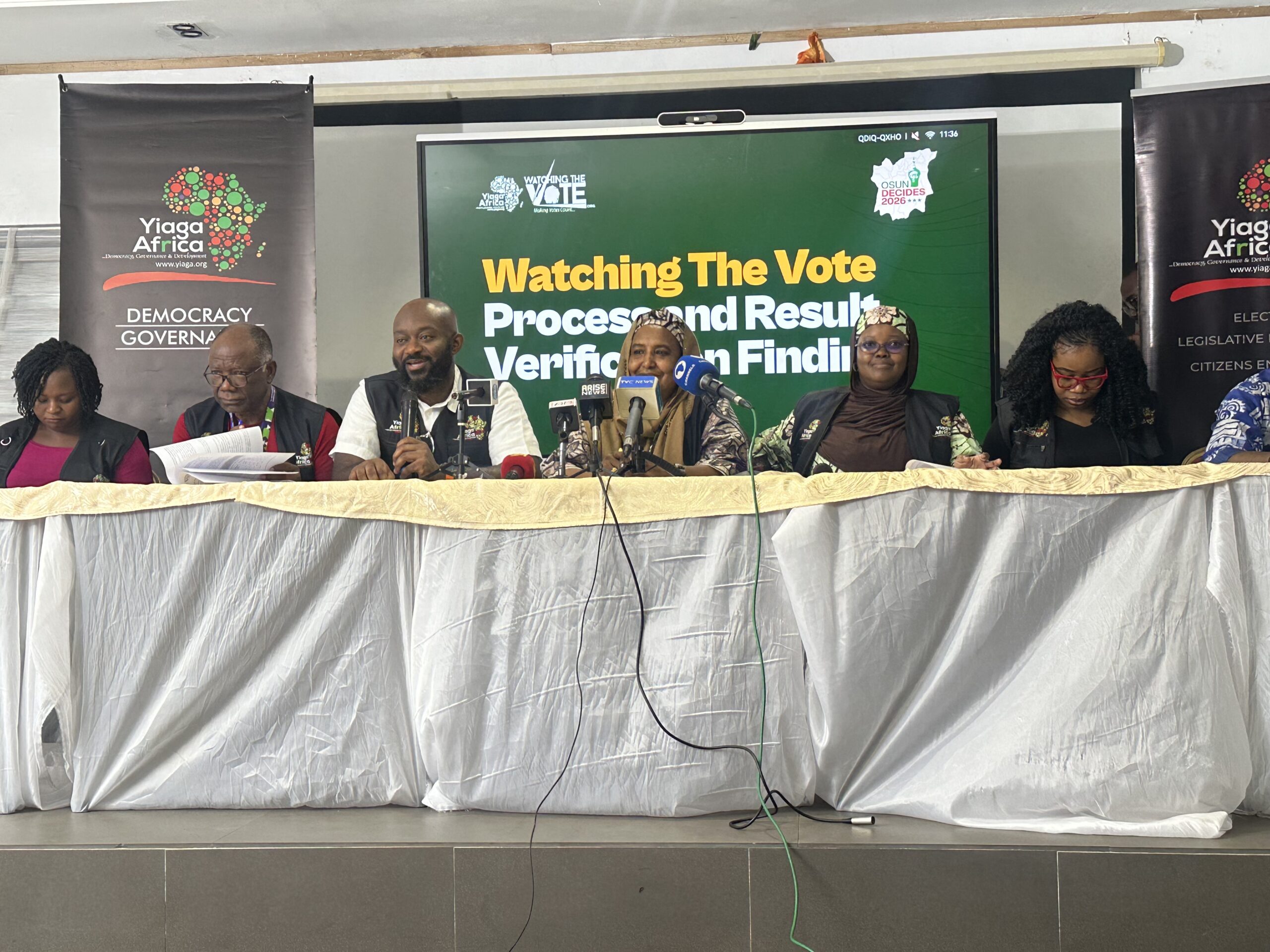
Election observer group, Yiaga Africa, said the official results of the 2026 Osun State governorship election matched the ballots counted at polling units. But many reports of vote buying and voter inducement raised worries about the fairness of voters' choices.
The group shared this on Sunday at its post-election briefing in Osogbo. This came hours after the Independent National Electoral Commission (INEC) announced that the incumbent governor and Accord Party candidate, Ademola Adeleke, won Saturday’s election.
Adeleke received 511,067 votes, beating his closest rival, Bola Oyebamiji of the All Progressives Congress (APC), who got 444,815 votes. This gave Adeleke a lead of 66,252 votes.
Adeleke won in 19 out of the 30 Local Government Areas (LGAs) in the state, while Oyebamiji won in 11.
The result showed Adeleke received 51.9 percent of the votes, while the APC got 45.2 percent. Najeem Salam of the African Democratic Congress (ADC) received 1.7 percent of the votes.
Speaking for the group, the Chairperson of the Osun Election Observation Mission of Yiaga Africa, Asmau Maikudi, said their findings came from reports from 289 of the 300 sampled polling units. This is 96 percent of the sample.
Maikudi stated that Yiaga Africa’s Process and Results Verification for Transparency (PRVT) analysis indicated that the Accord Party should have between 50.3 percent and 54 percent of the votes. The ADC should have between 1.4 percent and 2.1 percent, while the APC should have between 43 percent and 46.8 percent.
The official results announced by INEC fit within all three estimated ranges.
"Accord’s official result was 51.9 percent, which matches Yiaga Africa's estimates," Maikudi said.
"The ADC's official result was 1.7 percent, while the APC’s official result was 45.2 percent, which also aligns with Yiaga Africa's estimates."
She noted that no other political party got more than 1.2 percent of the vote.
According to Yiaga Africa, the agreement between its estimates and INEC’s final numbers means that the electoral commission’s results truly reflected the ballots counted at polling units.
"If the results had changed significantly at the ward, LGA, or state collation centres, the official numbers would have been outside Yiaga Africa’s estimated ranges," the group said.
But they cautioned that this finding should not be seen as agreement with every part of the election.
"The agreement of the results speaks only to the accuracy of the counting at polling units," they said, while expressing worries over reports of vote buying and voter inducement.
How Yiaga Verified Results
Yiaga Africa mentioned that it sent 300 stationary observers and 32 mobile observers to all 30 LGAs. They also had 30 LGA results collation observers to monitor the election process and verify the results independently.
Their PRVT method uses a sample of polling units to check election conduct and estimate the results. They also used their Election Result Analysis Dashboard (ERAD) to track results published on INEC’s Result Viewing Portal (IReV).
Yiaga Africa has used this method before to check if official election results matched ballots counted at polling units. They say PRVT is meant to provide clear verification of official results and boost public trust in electoral outcomes.
For the Osun election, Yiaga Africa based its analysis on the number of registered voters, not the number of Permanent Voter Cards (PVCs) collected.
Logistics Improved Despite Last-Minute Changes
The group noted that INEC and security agencies did well on election-day readiness, despite worries before the poll.
Yiaga Africa said this election was crucial because it was the last major governorship election before the 2027 general election. It was also one of the first big tests of the Electoral Act 2026 and the new rules for election management.
They said INEC largely succeeded in getting personnel and materials ready on time, even with last-minute disruptions caused by a court order to include the Social Democratic Party (SDP). This required them to reprint ballot papers and result sheets just days before the election.
According to the observer group, accreditation and voting started in 48 percent of sampled polling units by 8:30 a.m., rising to 96 percent by 9:30 a.m.
Yiaga Africa noted that this performance was better than in the 2022 Osun governorship election. In 2022, accreditation and voting began in 41 percent of sampled polling units by 8:30 a.m. and reached 96 percent by 9:30 a.m.
BVAS Worked in Most Polling Units, But Biometric Failures Persisted
The group said the Bimodal Voter Accreditation System (BVAS) was used in all polling units they observed.
The technology worked well in 80 percent of polling units but had issues in 20 percent. Yiaga Africa noted that the devices were fixed in the affected areas.
They said the scale of the failures did not undermine the election. But there were cases where the system could not verify the biometric details of older voters.
Yiaga Africa reported that 11 percent of polling units had instances where voters with verified PVCs were denied accreditation because the BVAS could not confirm their fingerprints or facial biometrics.
The group said this highlighted the need for INEC to look into why biometric authentication failed ahead of the 2027 elections.
Downloadable PVCs Create New Concerns
The election also tested the use of downloadable PVCs for the first time under the Electoral Act 2026.
Yiaga Africa reported that its observers saw voters using downloadable copies of their PVCs for accreditation in 23 percent of sampled polling units.
While most voters with downloadable PVCs were successfully accredited, some were denied accreditation in seven percent of polling units where they were used.
The group also received a report from one polling unit where all voters with downloadable PVCs were denied accreditation.
"Observers in seven percent of polling units reported issues with voters using downloadable PVCs. Notably, Yiaga Africa got a verified report from one polling unit where all voters with downloadable PVCs were denied accreditation," the group said.
They called for clear guidance from INEC on the acceptance and use of downloadable PVCs.
Result Transmission
Yiaga Africa also reported good compliance with rules for showing, transmitting, and publishing polling-unit results.
They said polling officials explained how every ballot paper was marked in 99 percent of sampled polling units.
Official results were shown publicly in 91 percent of polling units, while presiding officers used BVAS to scan or take pictures of Form EC&A and send them to IReV in 85 percent of polling units.
In 87 percent of polling units, results from validated Form EC&A were transferred to the electronic Form EC&A on the BVAS.
However, the group noted that IReV faced some problems.
Yiaga Africa said there were delays in uploading results from 8:48 p.m. to 10 p.m. at 3,292 polling-unit results. They had 471 results still outstanding before uploads resumed around 11:50 p.m.
They said INEC needs to explain the long delays.
"To keep public trust in IReV, there needs to be timely uploads and also quick communication about any delays," the group said.
Vote Buying
Despite their positive view of the official results' accuracy, Yiaga Africa said reports of vote buying and voter inducement were still a major threat to electoral fairness.
The group believes accurate counting and result transmission do not mean voters made their choices freely.
They called on security agencies, the Economic and Financial Crimes Commission (EFCC), and the Independent Corrupt Practices and Other Related Offences Commission (ICPC) to act against vote buying outside polling units where inducements often happen.
They also called for the arrest and prosecution of those involved, including party financiers and agents.
Turnout Fits Yiaga’s Projections
Yiaga Africa estimated voter turnout to be between 42.5 percent and 44.8 percent.
INEC announced an official turnout of 43 percent at the state collation centre. This figure is within Yiaga Africa’s estimated range.
The group viewed the turnout as proof of voter resilience in light of violence, attacks on PVC collection centres, and political tensions before the election.
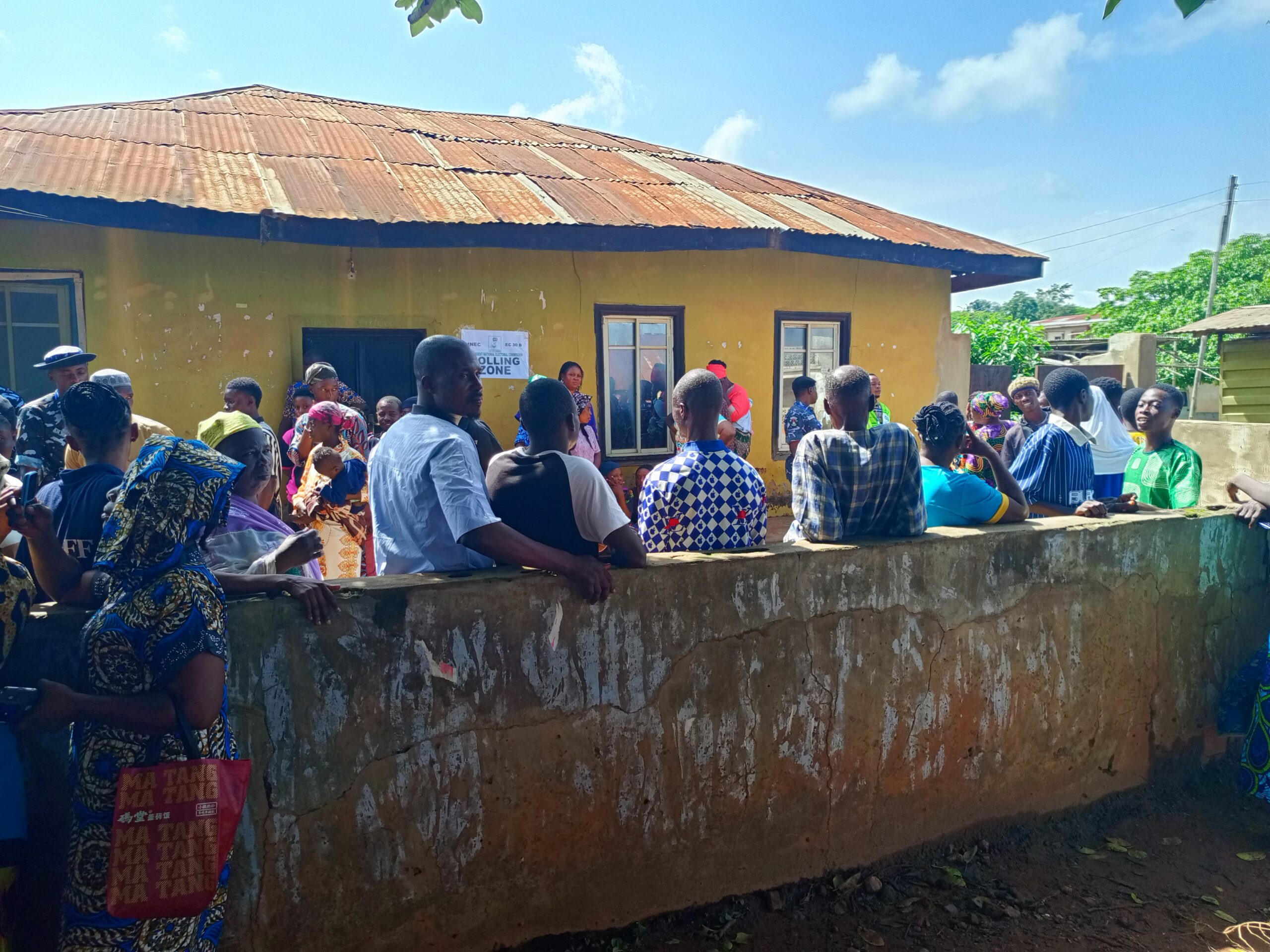
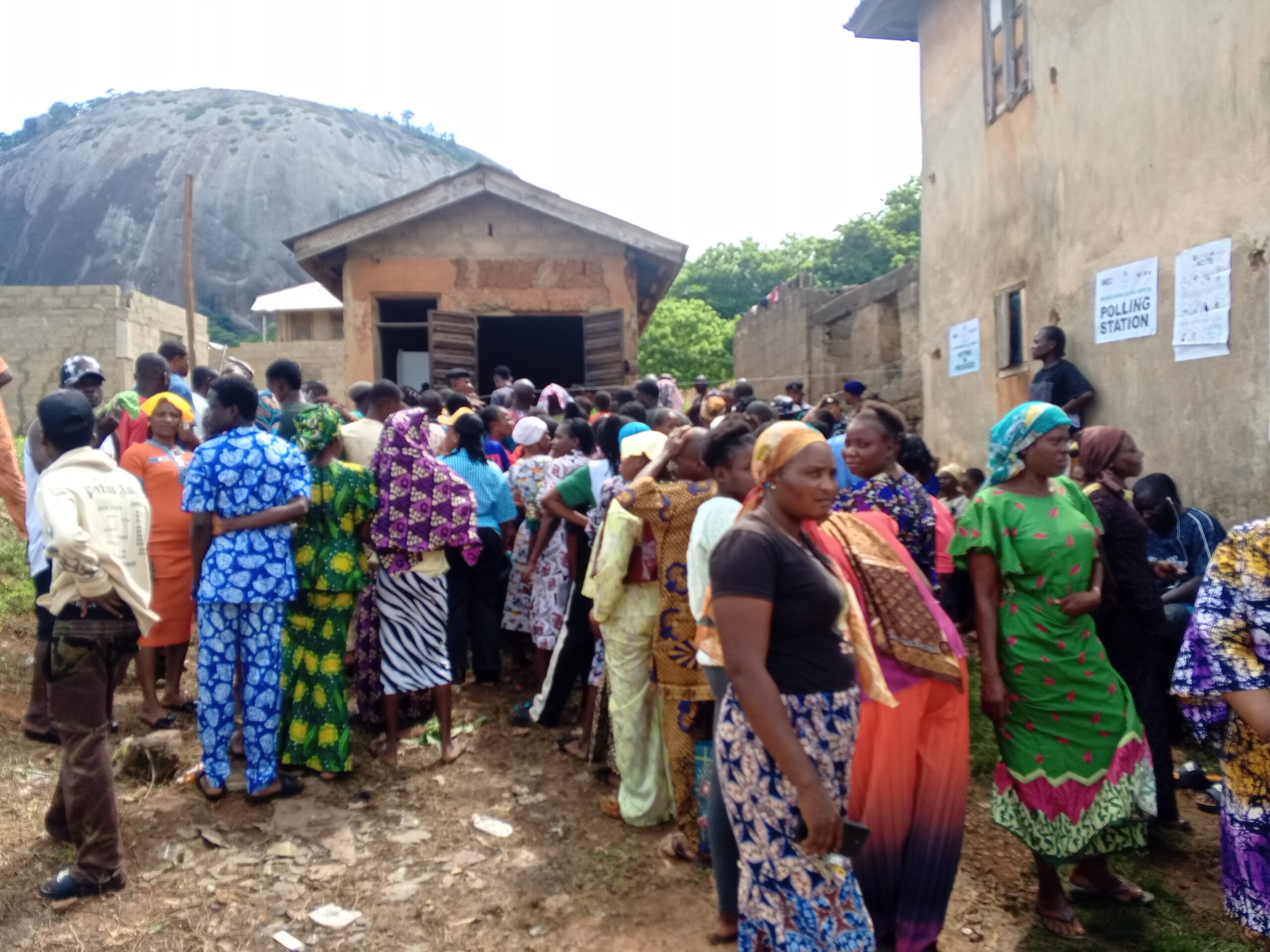
They noted that voters showed vigilance by staying at polling units to watch sorting, counting, and results declaration. Some even followed results to ward and LGA collation centres.
Yiaga Africa said this kind of citizen vigilance could help prevent manipulation. But they stressed that citizens should not have to "stand guard" over the electoral system’s integrity.
Security Agencies Generally Controlled
The group commended security agencies for their mostly professional conduct during the election.
Yiaga Africa said the restrained presence showed that a strong security presence does not need to involve too much interference in the electoral process.
But they emphasized that this standard should continue in future elections.
"The real measure of security neutrality is consistency across elections, regardless of which political party is in power," they said.
Implications for 2027
For Yiaga Africa, the poll showed that INEC can meet high operational standards and implement the Electoral Act 2026 effectively.
The challenge now will be to keep this performance across the 176,000 polling units expected in the 2027 general election.
Yiaga Africa urged INEC to learn from the Osun election and set stronger standards, including better quality assurance for sensitive election materials and improved voter data management.
They also called for clearer rules for downloadable PVCs, a more reliable IReV system, and prompt communication whenever there are technological or operational problems.
The group asked security agencies to step up efforts against vote buying, intimidation, and electoral violence.
They recommended that INEC conduct a full post-election technical review of BVAS devices and share the causes of biometric authentication failures during accreditation.
They also called for better training and supervision of officials and uniform application of procedures on election day.
For security agencies, Yiaga Africa suggested joint deployment of security with election officials and materials from Registration Area Centres to polling units on election day.
They also called on the Nigeria Police Force to publish a report on its actions during the Osun election, including arrests made and plans for prosecuting electoral offenders.
Political parties, they added, should train their polling agents on the Electoral Act 2026 and INEC rules and boost voter education ahead of 2027.
Yiaga Africa confirmed that its 332 observers deployed across Osun State have finished monitoring the polling and collation processes. A detailed report with additional findings and recommendations will come out later.
The group said they will now start preparing for the 2027 general election.

Drop your comment
No comments yet — be the first to drop the gist 👇