When Folarin Balogun from the United States was sent off against Bosnia and Herzegovina in the Round of 32 at the ongoing 2026 World Cup, many thought he would miss the Round of 16 game against Belgium. In most cases, they would have been right.
So what changed?
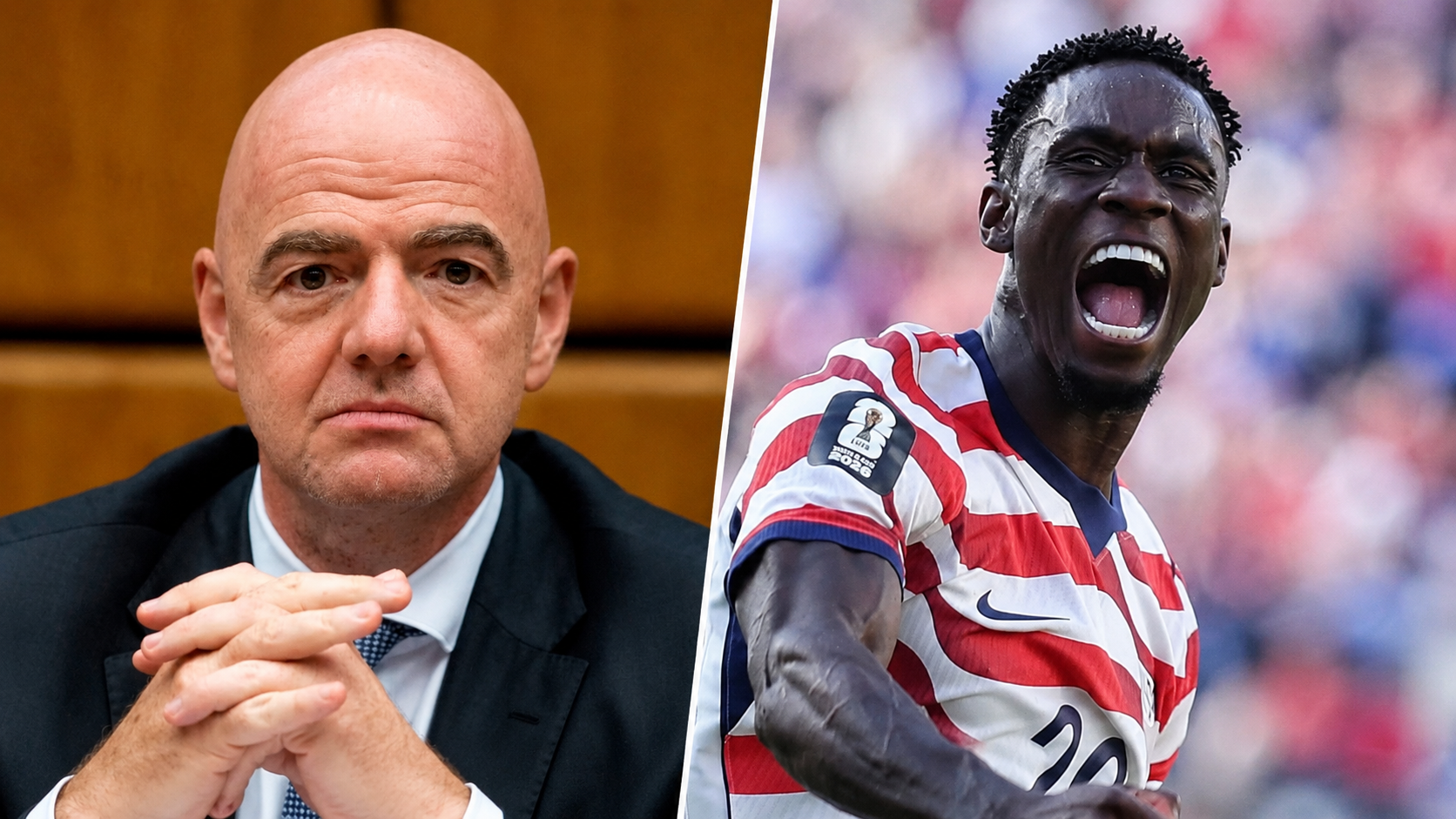
On Sunday, President Donald Trump thanked FIFA for suspending the red card given to Balogun, allowing him to play in the upcoming match against Belgium. “Thank you to FIFA for doing what was right, and reversing a great injustice!” Trump posted on his Truth Social platform.
In this report, PUNCH Online will explain the decision in detail. We will look at how FIFA's rules apply, why Balogun can still play even after getting a red card, and the controversy this ruling has caused in the football world.
The Normal Rule
FIFA's World Cup rules are clear. If a player gets a direct red card, they are automatically banned from the next match. The rules say: “If a player or team official is sent off… they will automatically be suspended from their team’s subsequent match.”
That is why Balogun was initially ruled out, according to the Royal Belgian FA's statement on Sunday.
The Red Card Was NOT Overturned
This is where many people are confused. FIFA did not cancel the red card. They did not say the referee made a mistake. They did not erase the card from the match record. The red card is still valid.
Reuters reported that FIFA is allowing Balogun to play without taking back the red card. FIFA stated, “In line with article 27 of the FIFA Disciplinary Code, the implementation of the match suspension is suspended for a probationary period of one year.”
FIFA Used a Different Power, Article 27
Instead of cancelling the red card, FIFA’s Disciplinary Committee used Article 27 of their rules. This article lets the committee pause the punishment for a probationary period.
In simple terms: the punishment exists, but FIFA chose not to enforce it right now. Reuters explains that FIFA put Balogun’s one-match ban on hold for a year.
Think of It Like This…
Imagine a court says: “You have a one-month sentence, but it is on hold for one year.” This doesn’t mean you automatically serve the month later. PUNCH Online explains this means: (i) behave for the next year; (ii) if you stay out of trouble, you never serve it; and (iii) if you break the rules again, the punishment can take effect.
That is what FIFA has done.
So Will Balogun Serve the One-Match Ban Later?
Not automatically. If he doesn’t commit another serious foul during the one-year probation, he might never serve that one-match suspension at all. Meanwhile, The Guardian UK reported that Donald Trump urged FIFA to lift Balogun’s ban for the red card he got in the game against Bosnia and Herzegovina, leading to the surprising announcement that he could play against Belgium in Seattle on Monday night.
Sources told The Guardian that Trump made three calls to FIFA starting from Wednesday to make sure this change happened.
Why Belgium Is Furious
Belgium’s football federation says that Article 27 goes against the World Cup rules that say red-card suspensions are automatic. Their argument is simple: Article 10.5 of the World Cup regulations says the suspension is automatic. Article 66.4 of the FIFA Disciplinary Code also says the same.
Because of this, they believe Article 27 should not have been used to avoid the automatic suspension during the tournament. That is why Belgium says the decision is unfair. A Sunday report from the Royal Belgian FA stated the nation’s stance. Belgium vowed to “defend football” after FIFA’s decision to suspend the automatic one-match ban on Balogun raised accusations of unfairness.
Has FIFA Ever Done This Before?
Yes. FIFA explained that Article 27 was previously used for Cristiano Ronaldo, who had part of his suspension from a red card during qualifying put on hold, allowing him to play at the World Cup. FIFA seems to see this as a reason to apply the same rules again.
“Yesterday’s decision to suspend for a probationary period of a year the implementation of the one-match automatic suspension following the red card issued to the player Folarin Balogun crossed a red line,” UEFA stated.
The Bottom Line
What happened?
- The red card was not overturned.
- The red card was not erased.
- The automatic suspension was not cancelled.
- FIFA used Article 27 to pause the enforcement of the one-match ban.
- Balogun can now play against Belgium.
- The suspension stays “hanging over him” for a year and will only be enforced if he commits another serious foul during that time.
This is why the decision has caused so much debate: the argument is not whether Balogun got a red card. Many experts are instead discussing if FIFA had the right to delay an automatic World Cup suspension by using Article 27.

Drop your comment
No comments yet — be the first to drop the gist 👇