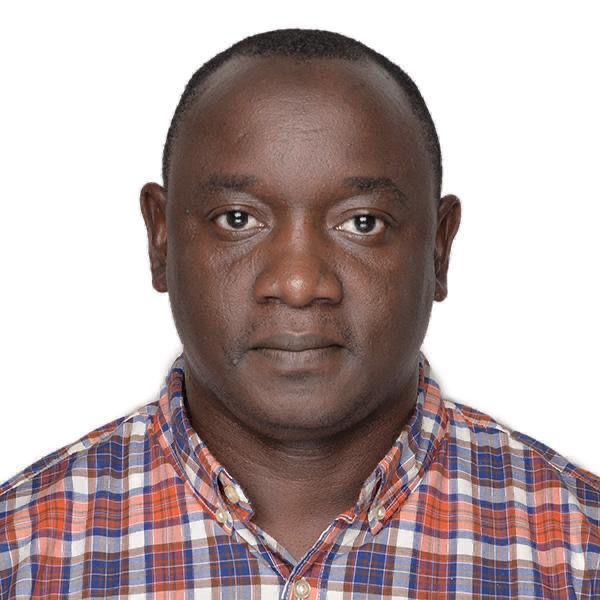
As His Royal Highness turns 60, I think about the position he holds and the experiences that shaped his leadership style. His journey through banking, law, diplomacy, public administration, and traditional leadership gives him a unique view that respects institutions while also valuing the human side of leadership.
On the evening of March 28, 2022, I stepped out of the office for a bit when I got a call from His Royal Highness, Ambassador Ahmed Nuhu Bamalli (CFR), Emir of Zazzau. He had received news that something was wrong with a train on the Kaduna-Abuja railway.
At that moment, the details were unclear. But I could hear the worry in his voice, so I rushed back to the office to start making calls. As the situation developed, it became clear that something serious was happening. That night would go down as one of the toughest in Kaduna State's recent history.
More than three years later, I still remember that conversation. It was not the first time His Royal Highness pointed out a security issue, but it showed qualities I had seen many times: attention to local events, a wide network of contacts, and a strong sense of duty to the people he serves.
As he marks this special birthday, I reflect on these qualities and the many times I witnessed them in my years in public service.
One thing that stood out was his strong interest in security and his understanding of what was happening in different communities. We often shared thoughts on new threats and how to respond, not just within the Zazzau Emirate but also in other parts of the state.
He supported the community-based approach to managing security challenges. Under his leadership, the traditional institution became a key source of information and early warnings. Reports would go from the Ward Head to the Village Head, from the District Head to the Emirate Council, and then to the government and security agencies.
We relied on these reports a lot. They were checked against information from security agencies and other intelligence sources available to the state government. Often, they helped us understand what was happening in communities and respond in the right way.
The events of March 28, 2022, highlighted this clearly. The information His Royal Highness shared with me was serious enough for me to rush back to the office. As we understood the situation better, we got in touch with the Garrison Commander, 1 Division Nigerian Army, the Commander of 453 Base Services Group of the Nigerian Air Force, the Director of State Security, and the Commissioner of Police. Meanwhile, our principal, His Excellency Mallam Nasir El-Rufai, was in touch with higher authorities as reports of an attack on a Kaduna-bound train from Abuja came in.
I quickly verified the information. Initial checks along the Katari and Rijana corridors did not show anything clear about what had happened or where exactly the incident took place.
Then Aminu Baba-Ahmed called me and put me in touch with someone on the train. During that call, I could hear gunfire in the background along with cries and voices of scared passengers. My heart sank. Still, I focused on gathering information, especially details that could help us find out where the attack was and how to respond.
It was a relief when we helped the passenger turn on the location feature on WhatsApp. After a few tries, he succeeded, and we got a location near Audu Jangom. Finally, we had something concrete to work with. We acted quickly on the information, and the response gained momentum.
Whenever I think about that night, I remember that the first alert came from His Royal Highness. It was another example of how closely he tracks events and how important it is for him to ensure that information reaches the right people without delay.
Another incident sticks out in my mind. On the night of the Tudun Biri tragedy, I faced the challenge of managing a sensitive situation. While I supervised the evacuation of the injured and coordinated recovery efforts for the deceased, I also wanted to communicate with the public in a way that would avoid panic, speculation, and unintended consequences.
After initially informing His Royal Highness about the incident, I urgently asked if he could record a voice message asking for calm. He agreed right away. In his message, he expressed sympathy for the victims and their families, offered prayers, and reassured the public that the government, religious institutions, the Emirate, and the military were on the case. He asked citizens to stay calm and allow the authorities to handle the emergency.
Recognizing the importance of this message, I quickly worked on it and created a radio jingle that same night. We kept it until the early hours of the next morning. As we held an emergency security meeting, radio stations across the state began airing the message continuously. By the time news of the incident spread widely, communities had already heard a calm and reassuring message from a trusted leader. Security personnel were also deployed to key locations, and the response was moving forward in an orderly way.
The message was well-received, and from the feedback, it resonated with many. For me, it showed how influential traditional institutions can be during uncertain times. When emotions were understandably high, His Royal Highness’s appeal for calm created space for authorities and emergency responders to do their work.
I remember another situation that showed a different side of his leadership. After allegations of unprofessional conduct against some security personnel in a community within the Emirate, concerns grew, and opinions became more divided. There was a real risk that this could damage trust between the affected community and the security agencies.
In the following discussions, His Royal Highness handled the situation with patience and an open mind. Instead of rushing to conclusions, he encouraged a careful look at the facts and a broader understanding of what was happening.
His insights helped clarify details that may not have been fully considered at first. As a clearer picture emerged, it became obvious that the issue was more complicated than it seemed. This process led to better understanding among everyone involved and helped maintain trust between the community and the security agencies.
The outcome was appreciated by key stakeholders. I remember the late Chief of Army Staff, Lieutenant General Taoreed Abiodun Lagbaja, recognizing His Royal Highness’s insight and leadership in bringing clarity to the situation and ensuring it was handled fairly.
For me, this was another example of the value of thoughtful leadership, especially when emotions and facts do not always match. In the end, the result strengthened cooperation and served the greater good of peace and security.
The experiences I shared are just a few examples. They show some of the times I saw the Emir’s dedication to peace and security. There were many more.
From discussions at the Kaduna State Security Council meetings to other engagements around peace, security, and development, I came to see his deep knowledge of local and broader issues. He was always willing to share ideas and solutions for tough challenges.
Whether in formal meetings or casual interactions during my years in public service, His Royal Highness showed the same sense of responsibility and commitment to the people’s welfare.
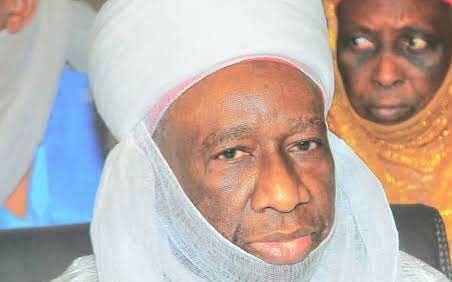
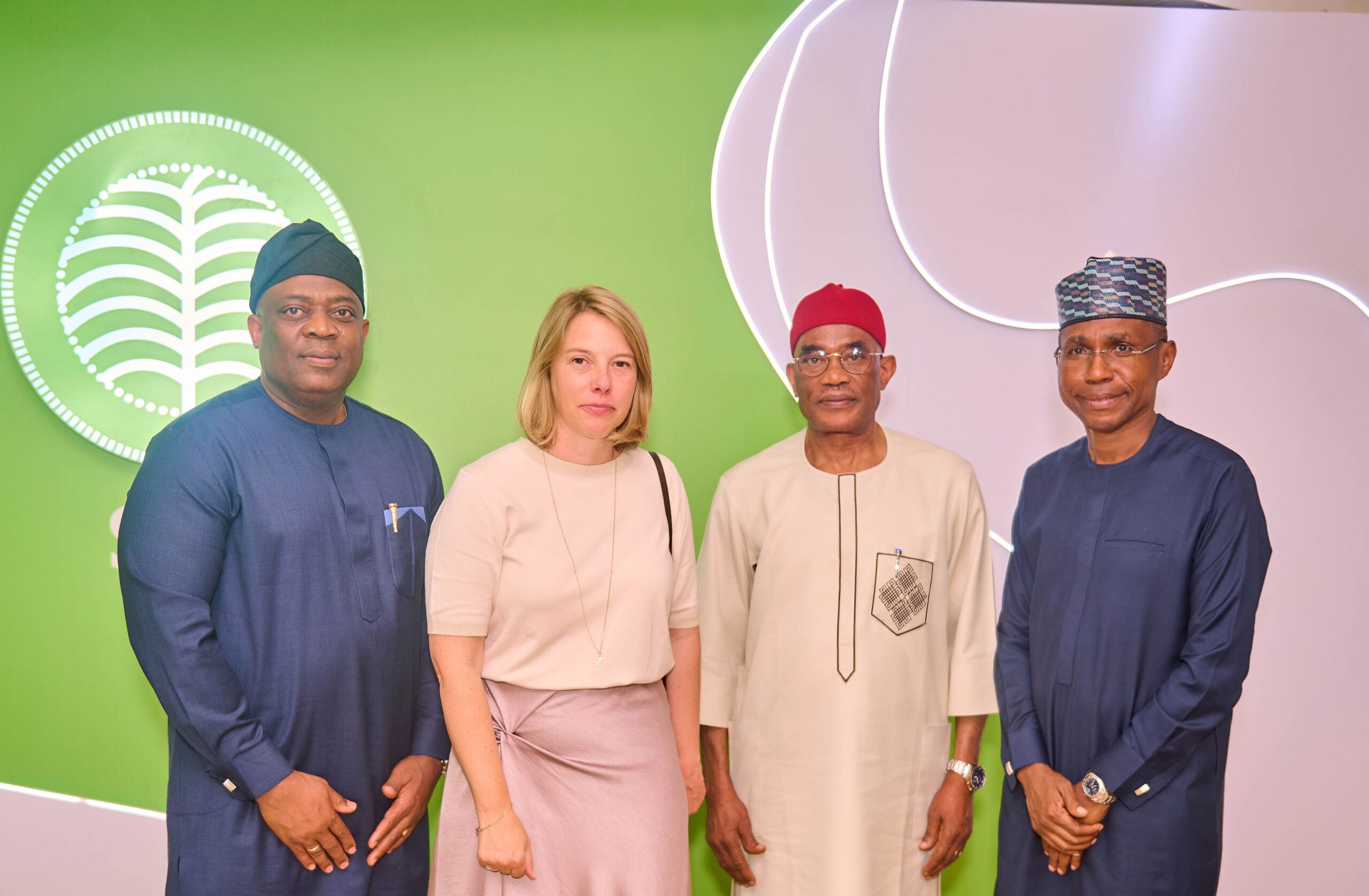
Over time, I realized these actions were not isolated. They reflected a wider view. Whether it was about security, education, community relations, or preserving history, His Royal Highness always looked at issues with an eye for building strong institutions. He knew that real solutions take more than quick fixes. They need strong institutions, informed communities, responsible leadership, and a shared purpose.
This perspective showed in many of our discussions. He placed great importance on the role of traditional institutions as partners in development, not just as guardians of culture and tradition. He believed traditional leadership must stay connected to the challenges the people face and contribute meaningfully to solving modern problems while keeping the values and heritage that define them.
Beyond security and public matters, I noticed his approach to running the Emirate. His background in banking, law, diplomacy, public administration, and traditional leadership gave him a wide view. Having worked in banking, the diplomatic service, and public service at both federal and state levels before becoming Emir, he brought a mix of experiences that continue to shape his leadership and institution-building style.
Before becoming the Emir of Zazzau, he built a career that exposed him to various institutions and ways of thinking. Those experiences seem to have shaped how he understands leadership, institutions, and public responsibility.
Maybe because of this background, he has shown a willingness to connect different interests and communities. He can easily engage with government officials, traditional institutions, community leaders, development partners, and ordinary citizens.
I am also impressed by his commitment to learning and his interest in the history of the Zazzau Emirate. He sees the importance of understanding the past, not just as a record, but as a guide for the present and future.
His appreciation of history was clear in November 2021 during the launch of the Nigerian edition of The Sokoto Caliphate by Professor Murray Last, published by Premium Times Books.
What stood out to me that day was not just his knowledge of the topic, but his belief that history is relevant to today’s challenges. He talked about history as a way to understand the present and shape the future, not just as a list of past events.
Several themes came from his comments. He highlighted the central role of education in improving society. He also stressed the value of dialogue in resolving conflicts and overcoming challenges. Most importantly, he argued that today’s challenges need solutions based on local realities and informed by historical experiences.
I did not get these insights only from his speeches. They were also reflected in some of the initiatives he started after becoming Emir.
One of the first things that caught my eye was his effort to restore important symbols linked to the authority and heritage of the Zazzau Emirate. He also supported efforts to update and preserve the Emirate's history for future generations.
Perhaps the most visible sign of this commitment is the creation of the Aliyu Dan Sidi Museum and Documentation Centre. More than just a museum, it represents an investment in memory, scholarship, and cultural preservation.
I found the name choice very significant. Emir Aliyu Dan Sidi has a special place in Zazzau's history. He was a scholar and ruler from the Mallawa dynasty, deposed by the British colonial administration in 1920, and died in exile a few years later. His story is a key chapter in the Emirate's history.
To me, naming the centre after Aliyu Dan Sidi was more than honoring a former Emir. It showed a commitment to preserving institutional memory and ensuring important parts of Zazzau's history are available for future generations.
I was also impressed by the decision to include one of the oldest structures in the palace complex in this preservation effort. It showed a practical understanding of how heritage and continuity relate: preserving the past while making it relevant to the present.
Together, these initiatives show a leader who views history not as a decoration of tradition but as a vital resource for education, identity, and institutional growth.
This same commitment is clear in his support for education. He knows its power to transform lives and has been a strong advocate for expanding learning opportunities, especially for young people.
If there is one principle that runs through many of His Royal Highness’s actions, it is his deep respect for due process, law, and order. Whether dealing with security, community relations, development, or Emirate affairs, he has consistently shown a preference for consultation, fairness, and following established processes.
He understands that real progress cannot be built on quick fixes. Institutions are stronger when rules are followed, responsibilities are clear, and decisions are made with justice and accountability in mind.
Equally important is his belief in unity, mutual respect, and collective responsibility. He has always encouraged cooperation among communities, institutions, and interests, knowing that real development happens when people work together toward shared goals.
As His Royal Highness celebrates his 60th birthday, I think about the office he holds and the experiences that shaped his leadership. His journey through banking, law, diplomacy, public administration, and traditional leadership gives him a unique view that respects institutions while valuing the human aspect of leadership.
The stories I shared show just a small part of the many times I had the chance to work with him in public service. They give a glimpse into the qualities that define his leadership: care for community concerns, a commitment to dialogue, respect for knowledge, an appreciation of history, and a belief in building lasting institutions.
Whether during crises, discussions on security, education, development, or efforts to preserve the history and heritage of the Zazzau Emirate, His Royal Highness has always shown responsibility toward both current and future generations.
As he celebrates this milestone, I pray that Almighty Allah grants him ongoing good health, wisdom, strength, and many more years of service to the people of the Zazzau Emirate, Kaduna State, and Nigeria.
Drop your comment
No comments yet — be the first to drop the gist 👇