Every time dark clouds gather over Abuja, people feel worried.
For those living in Trademore Estate, Lugbe, Lokogoma, Galadimawa, Yangoji and other flood-prone areas in the Federal Capital Territory (FCT), rain is more than just weather. It reminds them of homes that get submerged, businesses that suffer, cars that get damaged and lives disrupted by floods that keep coming back year after year.
Official records state that between June 2023 and December 2025, the FCT received about ₦1.24 billion from the Ecological Fund. This fund was set up to tackle environmental problems like erosion, flooding and other ecological issues.
The ongoing flooding in the capital city, despite these funds, raises serious questions about infrastructure, drainage systems, urban planning and how effective ecological measures have been.
Data from the Office of the Accountant General of the Federation (OAGF) shows that the FCT received ₦183.84 million between June and December 2023, ₦395.49 million in 2024, and ₦659.56 million in 2025. This brings the total funding over the three years to ₦1,238,899,232.18.
Even with this steady increase in funds, many residents say they cannot see much change. The flood crisis became very obvious in June 2023 when heavy rain flooded parts of Trademore Estate in Lugbe.
This flooding affected around 116 houses and led the Federal Capital Territory Administration (FCTA) to declare parts of the estate a disaster area. They also considered evacuating residents from risky areas.
Just days later, on July 4, 2023, another flood hit Yangoji community in Kwali Area Council. This flood destroyed about 70 houses and impacted more than 180 residents. Many farmlands were washed away, leaving families struggling to recover.
The situation got worse later that month. Heavy rainfall caused widespread flooding across Trademore Estate, Clobek Estate, Wisdom Estate, Airport Road, Galadimawa and Lokogoma.
Roads became hard to pass. Businesses closed down. Schools faced disruptions. Reports indicated that bodies were found around the Trademore area after the flooding.
By the end of 2023, the Federal Emergency Management Agency (FEMA) reported that 1,373 people had been rescued from flood disasters in the FCT. They also recorded four deaths related to floods. In Yangoji and Shafi communities alone, more than 200 households were displaced and many farmlands destroyed.
Although Abuja did not witness another flood disaster like Trademore in 2024 and 2025, seasonal flooding continued to hit vulnerable areas like Lugbe, Lokogoma, Trademore corridor and other riverside communities.
Flood alerts were frequent throughout 2025 as heavy rainfall affected central Nigeria and nearby river basins.
As the 2026 rainy season starts, the FCT remains one of the areas officially classified as high-risk flood zones.
Beyond the big disasters, residents say a quieter but ongoing type of flooding has become a normal part of life in the capital.
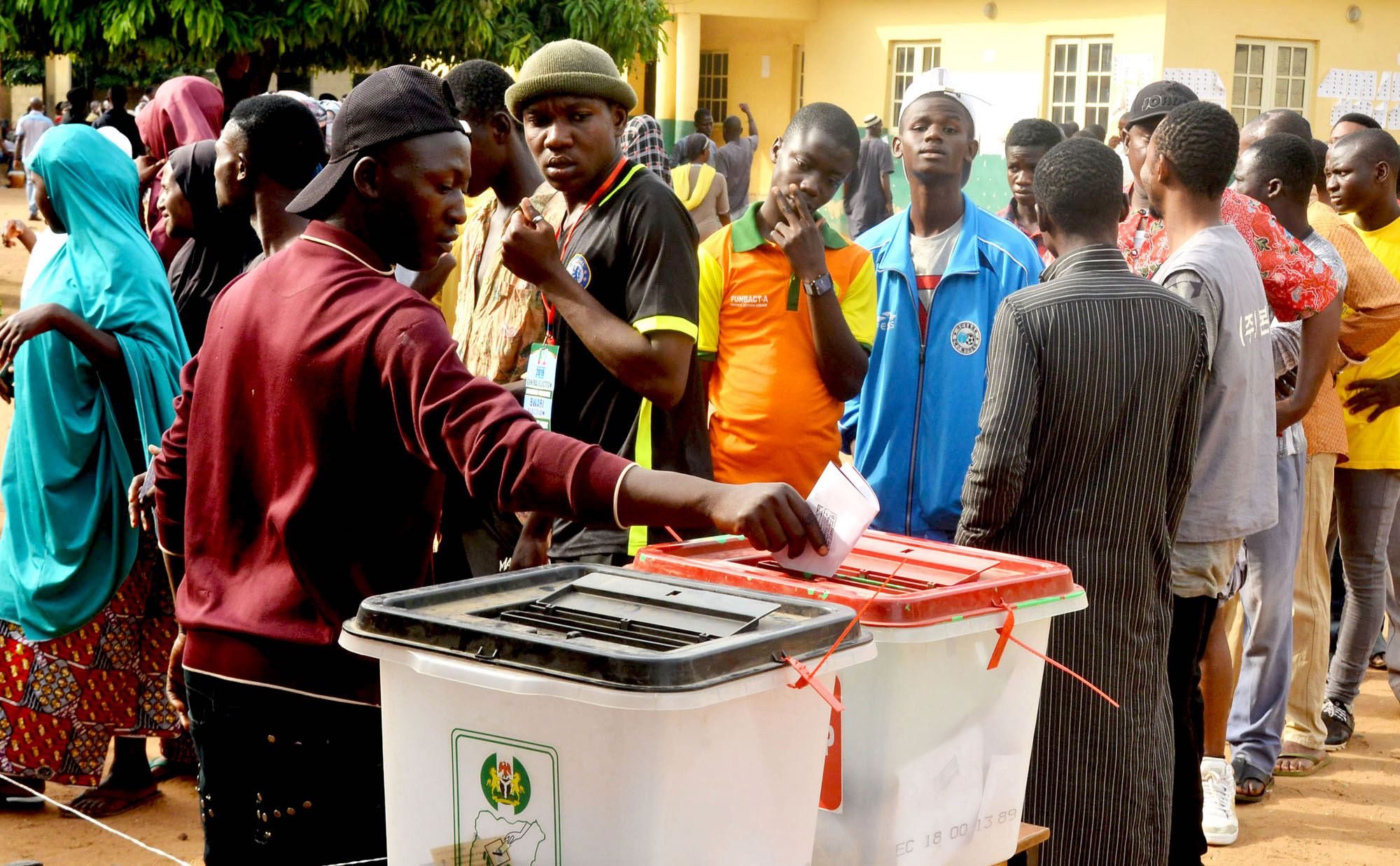
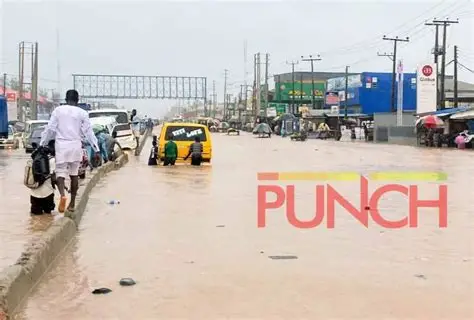
Recent rains left places like Jabi Under Bridge, Utako, Wuse, Berger Junction and Aminu Kano Crescent flooded. This created traffic problems and put motorists and pedestrians at risk. Commercial driver Musa Sani Aliyu described the situation as scary and costly.
"Sometimes the water rises to the middle of the tyre. Drivers become scared because you don't know what is inside the water," he said.
Another driver, Polycarp Jonathan, shared his worries about the costs of repairing cars damaged by floodwaters.
"When water enters the engine or electrical parts, you will definitely spend money. Some cars stop in the middle of the road after passing through the water," he said.
For civil servant Grace Matthew, walking to work after rain has become a struggle.
"You either remove your shoes or wait for the water to reduce before crossing," she said.
Ismaila Garba, another resident, expressed his frustration. "This is Abuja. Roads should not become rivers each time it rains," he said.

Engineering experts point out that the problem is not just the rain.
Engr. Riyadh Ojulari, a former Director of Works and Maintenance Services at the Federal University of Lafia, said the flooding is due to blocked drainage channels, poor waste disposal, illegal buildings on waterways and more pressure on existing infrastructure.
"The major cause of this flooding is clogged drainage. Most of the drainages are blocked," he said.
He explained that many drainage systems exist but do not work well because rubbish and debris block the water flow.
He also warned that Abuja's fast population growth has outpaced the drainage systems. Violations of the city's master plan increase flood risks. "When you build illegally on drainage routes, it will cause this kind of problem," he said.
Ojulari called for regular cleaning of drainage channels, stricter enforcement against illegal buildings and upgrades to old infrastructure.
Abuja's flooding issue reflects a larger national problem. Flooding has increased across Nigeria in recent years, causing serious damage. In 2024 alone, floods affected over 5.2 million people, displaced 1.24 million residents and led to over 1,200 deaths nationwide, according to available data.
By August 2025, floods impacted 25 states, caused 228 deaths, displaced more than 71,000 people and damaged over 21,000 houses.
In June of the same year, severe flooding in Mokwa, Niger State, left more than 150 people dead, displaced thousands and destroyed important infrastructure, making it one of the deadliest floods in recent Nigerian history.
On Sunday, about 100 houses were destroyed and several families displaced after a rainstorm hit Tom Gangare community in Sopp Ward of Riyom Local Council of Plateau State.
The storm followed a heavy downpour with strong winds. It also damaged health facilities, places of worship and other key infrastructure, leaving residents counting their losses.
At the launch of the 2026 Annual Flood Outlook in Abuja, President Bola Tinubu, represented by the Minister of Environment, Balarabe Abbas Lawal, acknowledged that managing floods is one of Nigeria's biggest environmental problems.
The President stated that the Federal Government has started nationwide flood control projects and is moving from reacting to disasters to proactive flood management. He mentioned the creation of an Anticipatory Action Framework to improve early warning systems, preparedness and emergency response.
Likewise, the Minister of Water Resources and Sanitation, Prof. Joseph Terlumun Utsev, revealed that the Nigeria Hydrological Services Agency (NIHSA) has identified 14,118 communities in 266 Local Government Areas across 33 states and the FCT as high-risk flood zones for 2026.
The minister also spoke about better forecasting systems, increased collaboration with the Nigerian Meteorological Agency and improved early warning systems.
For many living in Abuja's flood-prone communities, the key question remains unanswered.
If more than ₦1.24 billion has been set aside to tackle ecological issues in the FCT over three years, why do roads still turn to rivers after every major rain? Why do residents still face flooded streets, blocked drainage and flood-prone neighborhoods?
As another rainy season approaches and flood warnings grow, residents say they want less talk and more action.
For families in Trademore, Yangoji, Lugbe and other vulnerable areas, accountability is not just a political matter. It is about safety, livelihoods and survival.
Until the floodwaters stop returning, questions about the use and impact of ecological funds in the capital will likely continue.

Drop your comment
No comments yet — be the first to drop the gist 👇