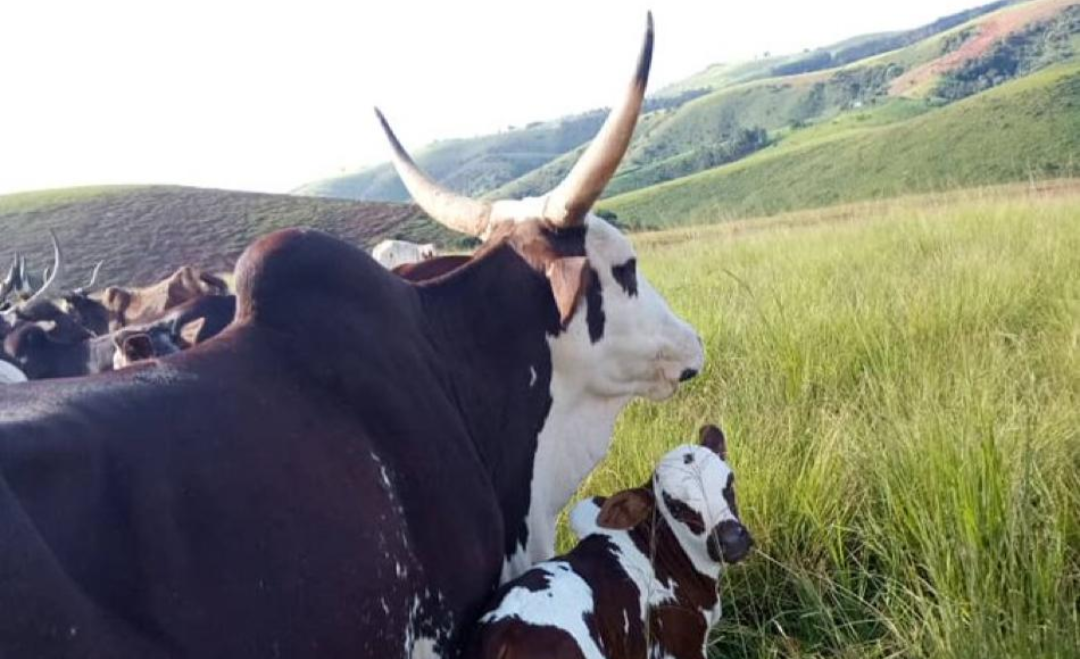
A group of Nigerian civil society organisations has called for the immediate release of the Memorandum of Understanding (MoU) between the Nigerian government and JBS. JBS is the largest meat-processing company in the world and the deal involves a proposed $2.5 billion investment in Nigeria.
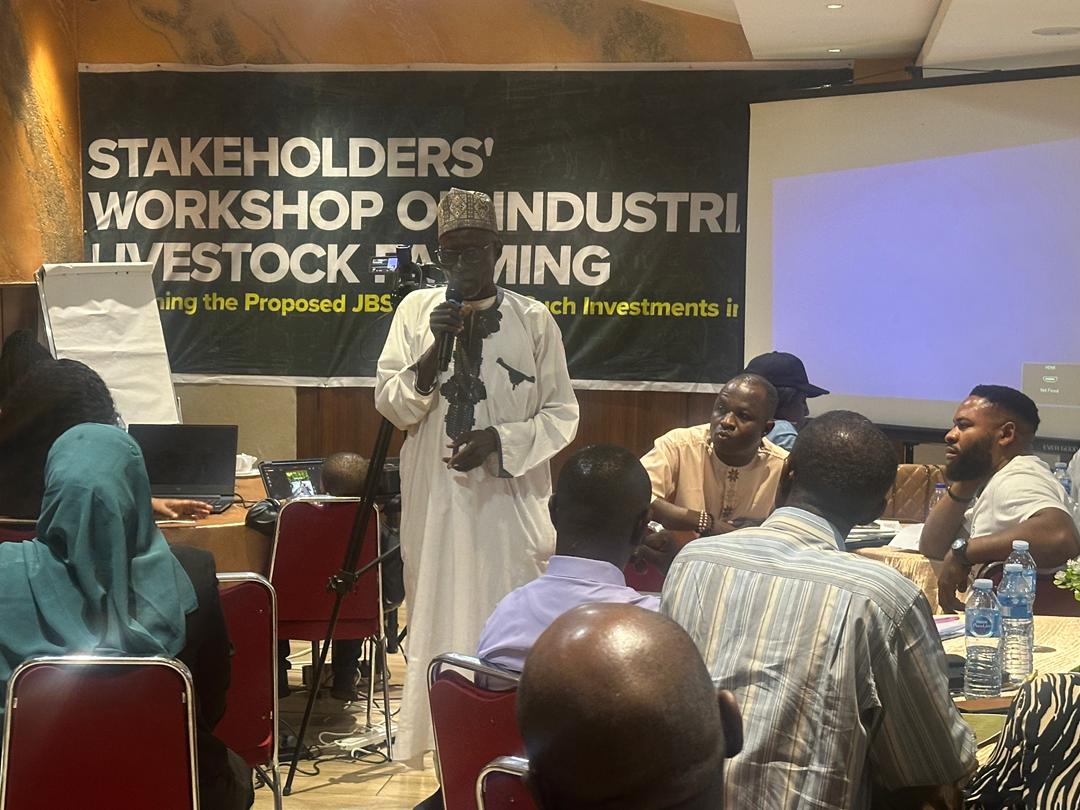
This demand was a key point in a resolution made at a three-day workshop held in Abuja. The workshop took place from September 22 to 24 and focused on the growth of industrial livestock production in Nigeria.
The coalition includes civil society organisations, farmer groups, pastoralist associations, youth and women’s groups, and environmental and animal-welfare organisations.
PREMIUM TIMES reported that JBS and the Nigerian government signed an MoU in November 2024. The agreement is for a proposed five-year, $2.5 billion investment that includes six meat-processing facilities: three for poultry, two for beef, and one for pork.
Gilberto Tomazoni, JBS Global CEO, said, “Our goal is to establish a strong partnership and support Nigeria in addressing food insecurity. Our experience in regions where we operate worldwide shows that developing a sustainable food production chain creates a ‘virtuous’ cycle of socio-economic progress, particularly for vulnerable populations.”
According to the agreement, JBS will create a five-year investment plan. This plan will include feasibility studies, initial project designs, budget estimates, and a plan for supply-chain development.
On their part, the Nigerian government is expected to provide the necessary economic, sanitary, and regulatory conditions for the project. The MoU involves building six plants: three poultry plants, two beef plants, and one pork plant, with a total investment of $2.5 billion.
The company claims this investment could help boost local protein production, cut down on imports, create jobs, and aid millions of small-scale farmers. Reports state that protein production in Nigeria makes up about 10 per cent of GDP and meets roughly 40 per cent of local demand.
But environmental and civil society groups are worried. They say there is not enough public information about the project, especially concerning the land that might be given to JBS and the potential social and environmental effects.
Officials from Niger State have reportedly said that the state could offer around 1.2 million hectares of land for the project. This is almost three million acres. Yet, details on land allocation and specific investment terms remain unclear.
PREMIUM TIMES had requested more information about the project over a month ago. The request was sent to Abubakar Sadiq, Special Assistant to the Minister of Livestock Development, Idi Maiha. As of the time of this report, there was still no response.
After the workshop, a communiqué was released and signed by Youth in Agroecology and Restoration Network, Health of Mother Earth Foundation, Environmental Rights Action, and HEDA Resource Center. The coalition said the agreement and related documents are not public. This makes it hard for citizens and affected communities to understand the terms and possible environmental, social, and economic effects of the investment.
They stated that their Freedom of Information (FOI) requests to the Federal Ministry of Livestock Development and relevant ministries in Ogun and Niger states have not produced the needed information.
In the communiqué, the groups said the JBS MoU, related agreements, financing arrangements, and any Environmental and Social Impact Assessments (ESIAs) are still undisclosed. They also pointed out the lack of proper consultation with communities that might host the proposed facilities.
“Decisions on how Nigeria feeds its people must be taken in the open, with the informed participation of the farmers, pastoralists, and communities whose land, water, and livelihoods are at stake,” the coalition said.
The groups urged the Federal Government to make the full JBS MoU and all related contracts public. They also want information on the beneficial ownership of private investment vehicles involved in the project.
The coalition believes that independent ESIAs, covering the combined impacts on land, water, and ecosystems, should be completed and made public before any land allocation or construction starts.
They further called for real participation and what they called free, prior, and informed consent of affected communities. The coalition raised concerns that large-scale industrial livestock production could lead to environmental issues. These include more animal waste, groundwater contamination, air pollution, loss of biodiversity, and greenhouse gas emissions.
They also expressed worries about public health and antimicrobial resistance linked to intensive animal-confinement systems. The groups argued that Nigeria should strengthen existing pastoralist, smallholder farming, traditional poultry, and agroecological systems instead of focusing too much on industrial livestock production.
They stated that food security should be assessed not just by increased production but also by looking at who benefits, who controls resources, and whether local food systems and ecosystems are supported.
The coalition pointed to JBS’s operations and growth in Australia as a case study Nigeria should examine before going ahead with the proposed investment.
They called on the Federal Government to coordinate among ministries and agencies responsible for livestock, agriculture, environment, water, land, finance, labour, and justice regarding this investment.
The groups also urged the National Assembly and state legislatures to hold public hearings on the JBS-Nigeria agreement and the National Livestock Transformation Plan and the Nigeria Livestock Master Plan 2026, 2040.
They want lawmakers to demand the disclosure of agreements and environmental assessments related to the proposed investment. There is also a call for stronger protections for smallholder farmers and pastoralists, such as land rights, market access, bargaining power, and local processing capacity.
The coalition said they would keep seeking information through FOI requests and other lawful means while also looking into the proposed investment. Their investigations will assess the commitments in the MoU, environmental and social safeguards, ownership, financial interests behind the investment, and the state of Nigeria’s food and seed systems.
The coalition is also committed to promoting agroecological and farmer-led food systems, indigenous knowledge, and local seed systems. They called on journalists and media organisations to investigate the proposed investment and highlight the experiences of affected farmers, pastoralists, and communities.
The groups urged JBS, its financiers, and investors to reveal its plans in Nigeria, carry out proper checks, and respect the land rights of affected communities. JBS has said its proposed investment in Nigeria aims to boost food security and build sustainable local supply chains. The company states that the six planned facilities are expected to help local production and lessen reliance on food imports.
The coalition, however, insists that Nigeria must ensure that any major livestock investment is open, environmentally friendly, and accountable to the communities impacted by it. Their campaign against the proposed JBS expansion is fundamentally about transparency, public accountability, and involving the public in decisions affecting Nigeria’s food system.
Drop your comment
No comments yet — be the first to drop the gist 👇