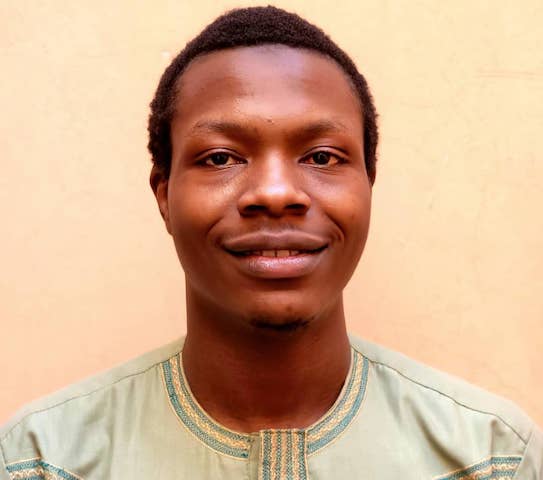
Gumel Emirate stands out among traditional institutions in northern Nigeria. Founded in the 18th century, Gumel has lasted over 250 years through political, social, and cultural changes while keeping its identity and strong leadership. Its history goes back before modern Nigeria and shows the influence of the Kanem-Borno area, shaped by interactions with Hausa states and the northern region.
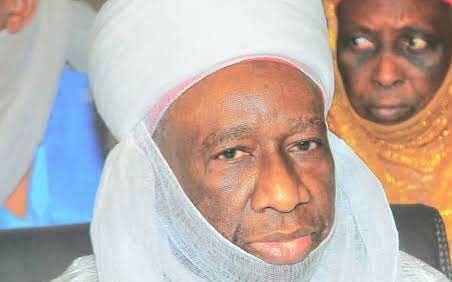
The throne has been held by many rulers, starting with Dan Juma I, who founded the emirate, to Maina Muhammad Sani II, who ruled from 1944 to 1981. His son, Ahmed Muhammad Sani II, followed him and became one of Nigeria's longest-serving traditional rulers. The late Emir Ahmed Muhammad Sani II did not just take over the throne; he came with a strong background in public administration and politics. He worked with the Gumel Native Authority, served in the Nigeria Immigration Service, and later became the commissioner for Information, Internal Affairs, and Culture in the old Kano State. He helped establish the Triumph newspaper, CTV67, and expanded Radio Kano, which shaped media in the region. When he became Emir in 1980, he used that experience to guide Gumel through many changes.
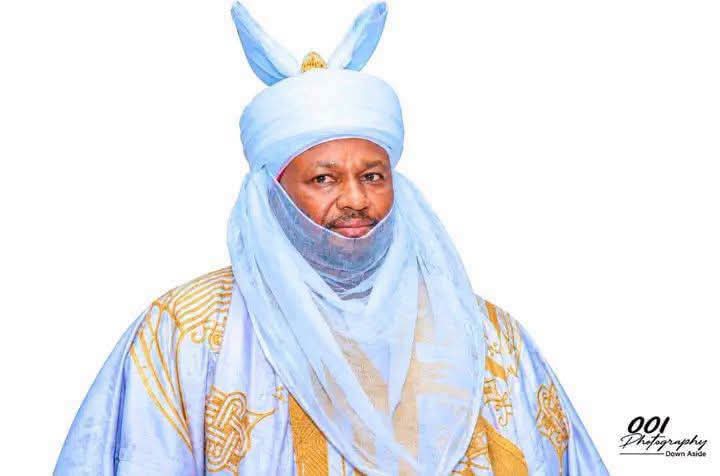
This history is important because it sets the stage for his successor. After the death of Ahmed Muhammad Sani II on 3 September, following 46 years on the throne, choosing a successor was not just about filling a position. It was about finding someone who could continue the legacy of service, education, public engagement, and stability. On 6 September, the Jigawa State Government named Dr. Lawan Ahmed Muhammad Sani as the 17th Emir of Gumel, based on suggestions from the kingmakers and the Jigawa State Council of Chiefs. Before this, he was the Chiroman Gumel and worked as the director of Cybersecurity at the National Information Technology Development Agency (NITDA).
Emir Lawan brings a unique touch to the historic throne. He has a PhD in Computer and Communication Systems Engineering from Universiti Putra Malaysia, an MSc in Computing from De Montfort University in Leicester, and a bachelor’s degree from Ahmadu Bello University, Zaria. His career includes roles in academia, research, and public service. He spent over ten years in Saudi Arabia as the chairman of the Computer Science and Engineering Department at the University of Hafr Al-Batin. He also lectured at Swinburne University of Technology in Australia, where he led a smartcard research group. His research interests cover computer and network security, smart cards, cloud computing, and wireless communication systems. He has supervised postgraduate students, examined research work, published internationally, and participated in funded projects.
The mix of traditional leadership and a strong tech background gives Gumel a chance to blend its heritage with modern needs. Emir Lawan’s leadership should not be seen as trying to outdo his father's reign. Each reign has its own context. His father led Gumel during a different Nigeria; Lawan now takes the throne at a time needing new ideas while keeping the values that have supported the emirate.
Education is one clear area for growth. An Emirate Education and Skills Initiative could find promising youth and offer scholarships, mentorship, and practical digital training. Beyond just getting into university, this program could connect students with professionals and organizations to help them gain skills in software development, data analysis, cybersecurity, digital communications, and other growing fields. The palace doesn’t need to become a tech hub; it just needs to use its influence to unite universities, professionals, government agencies, and development organizations.
Emir Lawan could also back a community cybersecurity and digital literacy program. With online fraud, identity theft, scams, and misinformation affecting many Nigerians, communities need practical knowledge on how to protect themselves online. Schools, small businesses, civil servants, and youth could all benefit from regular training in partnership with universities and tech organizations.
His research background can help create a more fact-based method for community development. The emirate could team up with universities to gather basic data on education, agriculture, youth employment, health, and local businesses. This information would help leaders understand local needs and find the best areas for intervention.
Agriculture should stay central to the development plan. Gumel and nearby communities have deep agricultural roots, and technology can help farmers with market information, weather updates, extension services, and finding buyers. A practical pilot project with local farmers, agricultural bodies, and tech partners could be a good starting point.
Yet, Emir Lawan’s most important job will still be the human side of traditional leadership. A modern Emir’s impact can’t be judged only by new projects during his time. People will come to the palace with family issues, financial struggles, education questions, security concerns, and requests for help. The strength of traditional leadership is in its ability to listen, mediate, guide, and build trust.
Emir Lawan takes on more than just a crown; he takes on a tradition of service. His father's long reign gives him a strong legacy and foundation to build on. If more kids stay in school, if young people gain useful skills, if farmers access markets better, if entrepreneurs find new chances, if digital safety improves, and if the emirate connects better with its professionals at home and abroad, then his journey from university to the palace will have a deeper meaning.
The crown shouldn’t signal the end of Emir Lawan’s career. It should be the point where he brings his knowledge, experience, and networks to serve a larger community. His goal is not to copy his predecessors, but to honor what they built, keep what matters, and introduce fresh ideas to the challenges his people face.
That might be the best way to continue a throne that has lasted for centuries.


Drop your comment
No comments yet — be the first to drop the gist 👇