
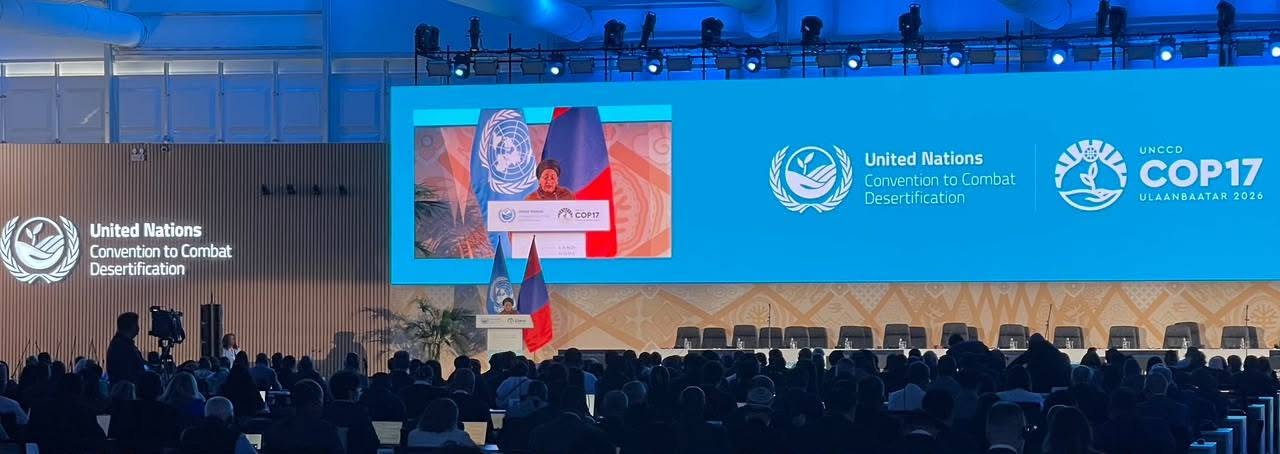
Today, delegates from 196 countries and the European Union have gathered in Mongolia for the start of the 17th Conference of the Parties to the United Nations Convention to Combat Desertification (UNCCD COP17). Governments and other key players are expected to tackle some of the biggest problems related to land, drought, and food security.
This two-week conference runs from 17 to 28 August in Ulaanbaatar. It comes at a time when land degradation, water shortages, and drought are causing rising economic and social challenges worldwide.
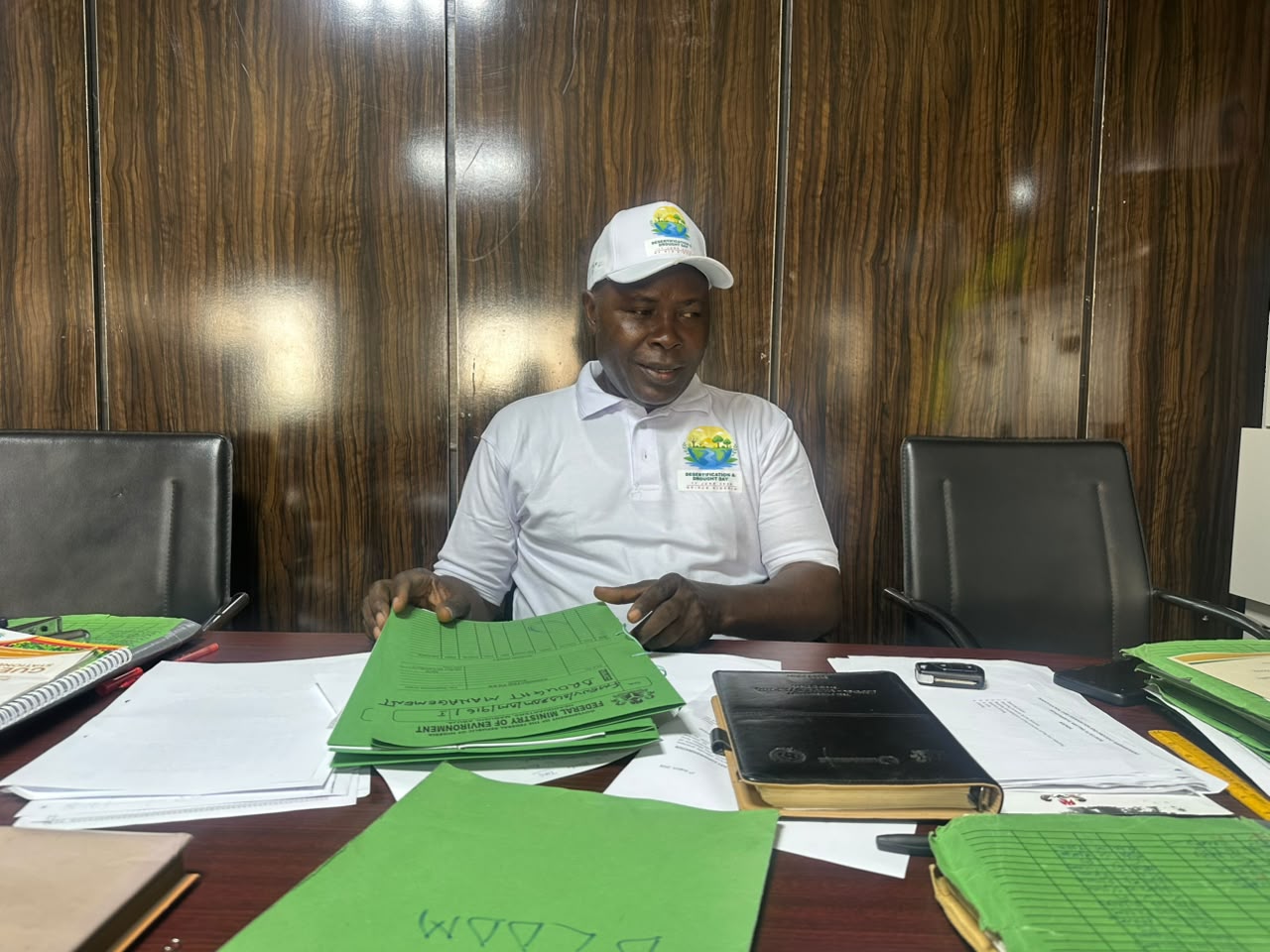
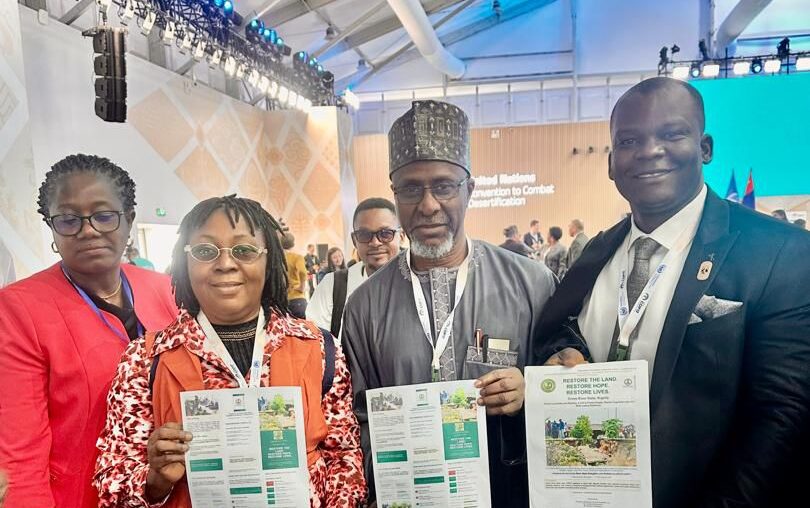
About 60 delegates from Nigeria will take part in this year’s conference and discussions. Nigeria, along with other African nations, wants to push for a legally binding agreement on drought management. Nigerian officials and the African group believe this agreement would set clear rules for managing drought. They also plan to seek more financial support to meet Nigeria’s national needs and fund the National Adaptation Plan.
Land degradation and drought are estimated to cost the global economy nearly $900 billion each year. They affect up to 40 percent of the world’s land and 3.2 billion people.
Droughts have risen by almost one-third since 2000 and now lead to at least $300 billion in annual losses, according to UNCCD.
With this context, discussions at COP17 will center on drought, rangelands, agricultural land, resource mobilization, private sector involvement, and the direction of the Convention's future.
This conference marks the first of three Rio Convention COPs happening in 2026, ahead of biodiversity and climate conferences. It gives countries a chance to work together on issues like land degradation, biodiversity loss, climate change, food security, and water resilience.
In her opening remarks watched by PREMIUM TIMES on Monday, UNCCD Executive Secretary Yasmine Fouad said land degradation and drought are not just environmental issues. They are already impacting food production, water sources, economic stability, and communities’ ability to secure their futures.
"Healthy land is the foundation of healthy food systems, resilient economies, and stable societies," she stated.
She also said, "COP17 must therefore be a COP of implementation. The world does not lack solutions; the challenge is taking them to scale. Ulaanbaatar must mobilize the political leadership, investment, and partnerships needed to translate commitments into measurable results on the ground. Restoring land is not simply an environmental obligation, it is an investment in people, stability, and resilience," she explained.
Following her remarks at the opening session of COP17 in Mongolia, here are seven key issues expected to shape discussions over the next two weeks.
1. Moving from crisis response to drought resilience
Organizers say drought resilience will be one of the most important topics at the conference. Building on talks from COP16 in Riyadh, UNCCD plans to continue discussions on a global policy framework for drought. They will look at practical steps to improve preparedness, early warning systems, vulnerability assessments, and international cooperation.
More than 70 countries now have national drought plans, up from only three in 2013, according to UNCCD. This shows that more nations recognize the need to prepare for and manage drought before it turns into a crisis.
The economic argument for investment is strong. UNCCD noted that every dollar spent on drought resilience can yield returns of up to $10. Some nature-based solutions can provide benefits up to 27 times their cost.
COP17 will introduce new tools and partnerships linked to the Riyadh Global Drought Resilience Partnership, the Drought Resilience Investment Facility, and the International Drought Resilience Observatory.
The main question is whether countries can move from just having drought plans to securing the money and institutions needed to make them work.
2. Closing the $278 billion land-finance gap
Finance will be another major topic at the conference. An estimated $355 billion is needed each year to fight land degradation and drought. Currently, investment is only about $77 billion, leaving a gap of around $278 billion.
The private sector contributes only about six percent of global funding for land restoration and drought resilience, even though businesses rely on healthy land, water, and ecosystems.
COP17 will look for ways to attract more private money, lower investment risks, and create incentives for sustainable land management. The conference will also discuss how governments, development banks, businesses, and investors can team up to use existing commitments.
One initiative likely to be highlighted is Business4Land, which aims to boost private-sector involvement in land restoration and drought resilience. During the Business for Land Forum set for 24 August, governments, businesses, and investors will talk about speeding up investments in regenerative landscapes.
Organizations involved in the Action Agenda on Regenerative Landscapes have already pledged over $9 billion across more than 210 million hectares, according to UNCCD.
3. Focusing on rangelands and pastoralists
Rangelands are set to receive significant attention at COP17, which is taking place during the International Year of Rangelands and Pastoralists. Rangelands cover about 54 percent of the Earth's land surface and support the livelihoods of around two billion people, including about 500 million pastoralists.
They produce about one-sixth of the world's food and provide around 70 percent of livestock feed. But nearly half of the world’s rangelands are already degraded or at risk, with 78 percent located in drylands where drought, climate change, and unsustainable land use are putting pressure on ecosystems and communities.
Governments are expected to discuss a new policy framework for rangelands and pastoralists, along with the proposed Rangelands Flagship Initiative. This initiative aims to boost long-term investment in sustainable rangeland management and support pastoral livelihoods.
For countries like Nigeria, where rangeland degradation and changing weather patterns are linked to conflicts between farmers and herders, the discussions could have significant impacts.
4. Land restoration and food security
Agricultural land and soil will also be major topics at the conference. With about 40 percent of the world's land already degraded, restoring productive land is increasingly seen not just as an environmental issue but also as vital for food security and economic health.
UNCCD argues that healthy land is key to food systems, economies, and community resilience. This will push governments to show how land restoration can be part of agricultural and development policies, rather than a separate environmental plan.
The bigger question is how countries can increase food production while avoiding further damage to soils and ecosystems. The outcomes of these talks could shape policies on sustainable agriculture, soil health, regenerative practices, and investment in degraded agricultural land.
5. Connecting land, climate, and biodiversity actions
Another major discussion will be how to connect the three Rio Conventions. COP17 is the first of the three Rio Convention COPs in 2026, offering a chance to improve coordination in tackling desertification, biodiversity loss, and climate change.
Mongolian Prime Minister N. Uchral urged countries to see land, climate, and biodiversity as linked challenges rather than separate issues. This is important because land degradation can worsen biodiversity loss and climate vulnerability, while climate change can worsen drought and accelerate land damage.
A more integrated approach could help governments better use climate, biodiversity, and development funding while avoiding overlapping or conflicting efforts. The test for COP17 will be whether this political message can translate into practical cooperation and investment across these three areas.
6. Using science, technology, and local knowledge
COP17 will also explore how to turn scientific knowledge, technology, and local experience into real solutions. Mongolia’s leaders have stressed the need to put herders, rangeland users, and local communities at the heart of land management policies.
This is especially relevant in dryland regions where local communities have generations of experience in managing rainfall, grazing, and fragile ecosystems. The UNCCD Silk Road Caravan, which took place before COP17, brought together governments, scientists, pastoralists, local communities, and young people from across Eurasia to share knowledge and showcase land restoration and drought resilience methods.
The arrival of the caravan in Mongolia links local action to the global discussions starting in Ulaanbaatar. The challenge now is to make sure that local knowledge and scientific advances shape policy, financing, and actions rather than just staying as conference topics.
7. Will COP17 lead to real action?
Ultimately, the biggest question for COP17 is whether it can shift the global land agenda from promises to real results. UNCCD Executive Secretary Yasmine Fouad said the world has solutions but needs to scale them up.
She stated that the success of COP17 should be measured not just by the decisions made but by the changes those decisions bring to communities, economies, and landscapes. This is particularly important for Mongolia, where land degradation is already a pressing issue.
Almost 77 percent of Mongolia’s land is thought to be degraded, and pastoralism supports the livelihoods of about one in three Mongolians. In 2023 and 2024, severe summer drought followed by harsh winters led to the loss of more than seven million livestock, highlighting the vulnerability of communities in dry areas to extreme conditions.
Mongolia’s Foreign Minister and COP17 President, Battsetseg Batmunkh, said the country’s experience shows why land health is tied to livelihoods and community futures. For Mongolia, hosting COP17 is a chance to bring the experiences of dryland countries and pastoral communities into the global conversation.



Drop your comment
No comments yet — be the first to drop the gist 👇