Nigerian delegates, along with others from Africa, will advocate for a legally binding agreement on drought management at the upcoming 17th session of the United Nations Convention to Combat Desertification (UNCCD COP17) in Mongolia. They also want more funding to tackle desertification and land degradation in Africa.
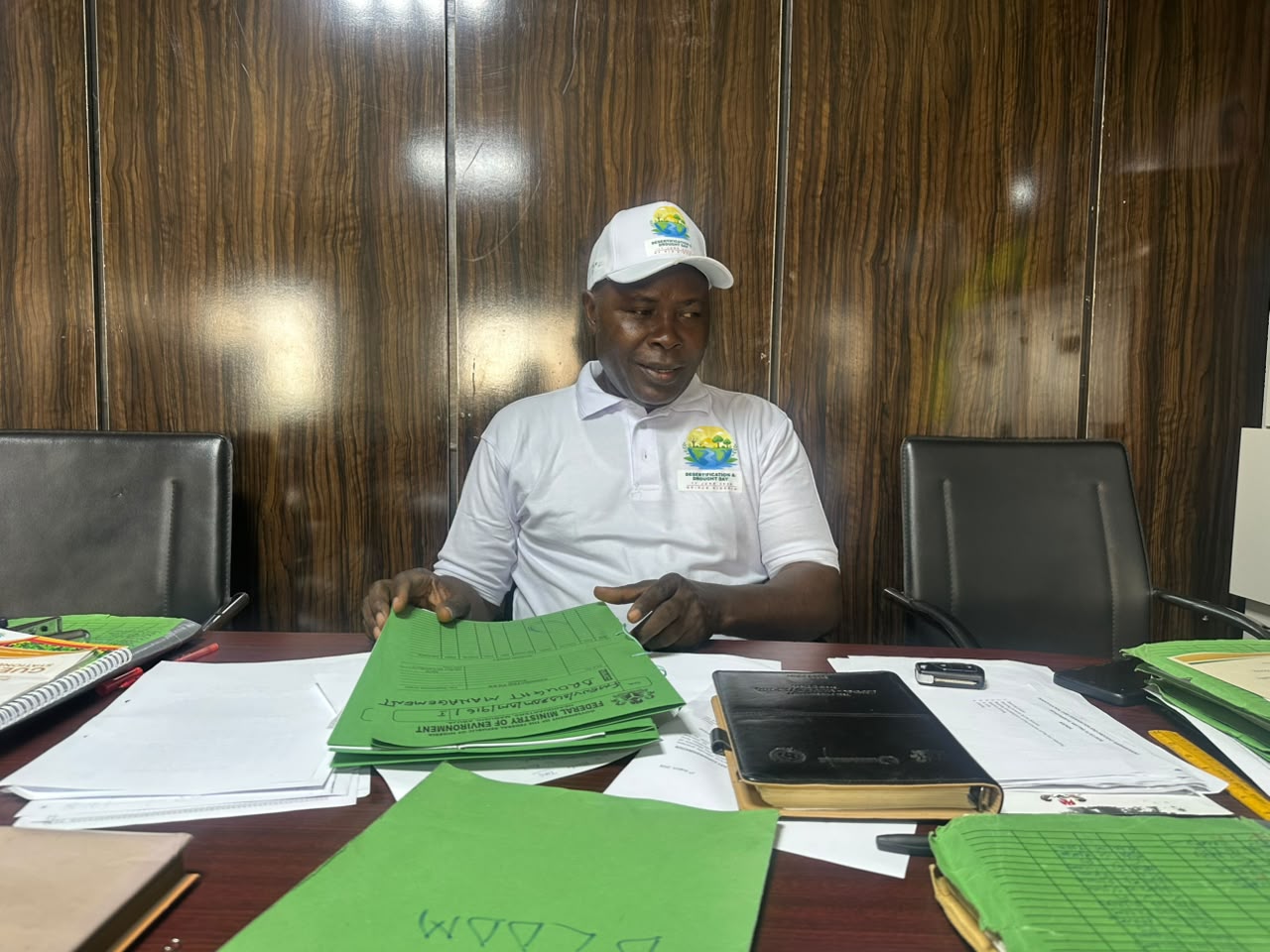
Etim William, the Director of the Desertification, Land Degradation and Drought Management Department of the Federal Ministry of Environment, shared this in an exclusive interview with PREMIUM TIMES.
“Nigeria, alongside other African countries, wants to push for a legally binding instrument on drought management. This is an African position, and Nigeria supports that position,” Mr William told PREMIUM TIMES.
Mr William, who is also the UNCCD focal point for Nigeria, explained that this proposed agreement will create a framework for managing drought.
“That is one of the areas Nigeria will push for at the COP. Other areas include finance. We need to push for more financial support to meet our national needs and fund our National Adaptation Plan,” he said.
Regarding land degradation, Mr William emphasized that Nigeria needs help and partnerships to reach “land degradation neutrality.”
COP17 in Mongolia
The UNCCD COP17 will take place in Ulaanbaatar, Mongolia, from August 17 to 28. The theme is “Restoring Land. Restoring Hope.”
The United Nations expects delegates from UNCCD’s 197 Parties to join government, business, civil society leaders, scientists, youth, Indigenous Peoples, pastoralists, and smallholder farmers. They will discuss ways to tackle desertification, land degradation, and drought. Their main focus will be on how restoring land can help reduce instability and improve security in vulnerable areas.
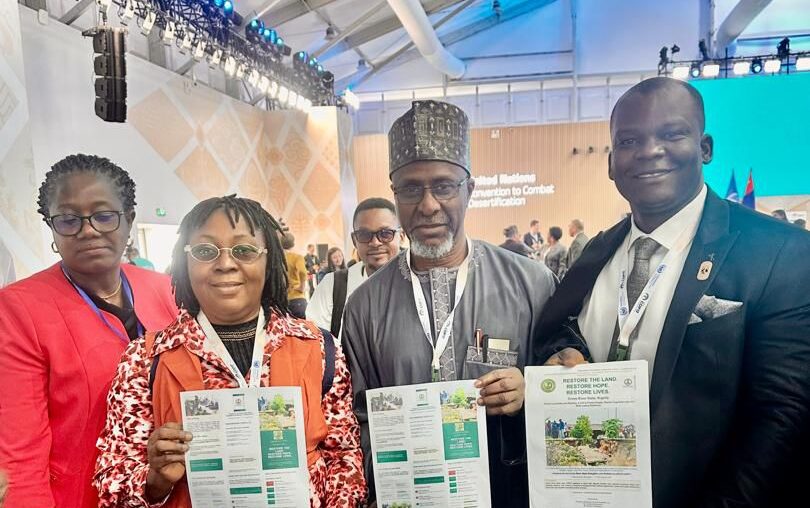
PREMIUM TIMES learned that at least 60 delegates from Nigeria are set to attend the conference.
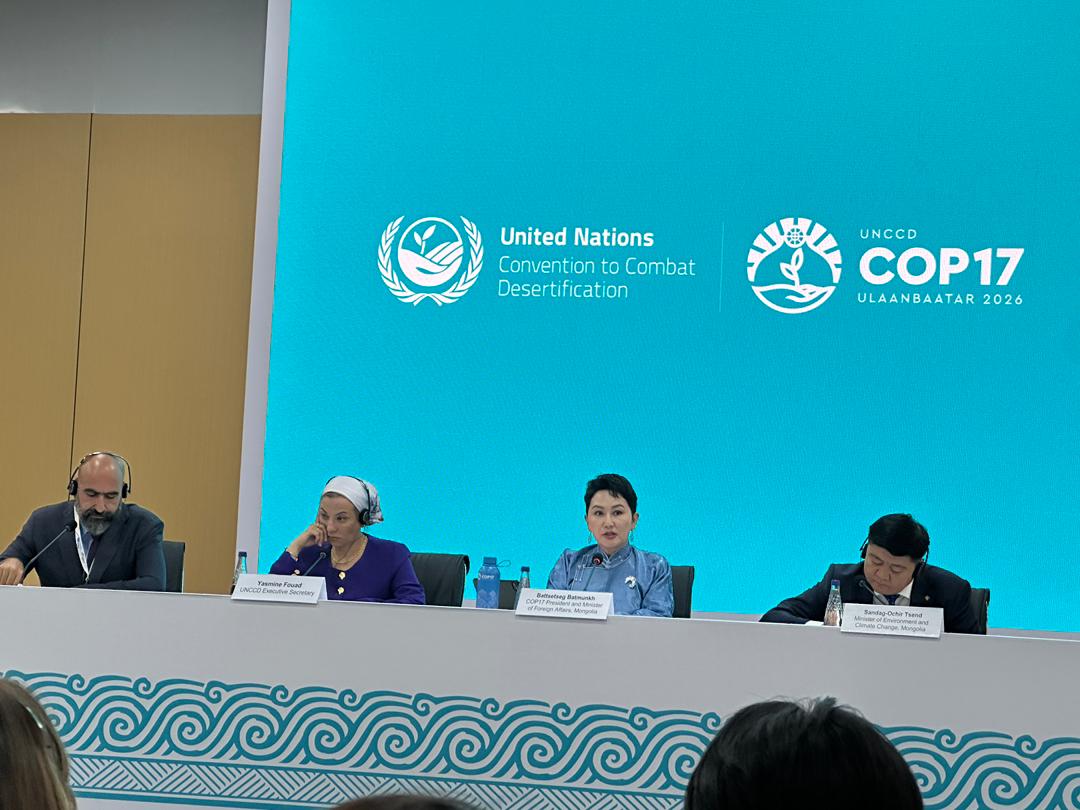
“Land is our most vital infrastructure, underpinning food security, water, livelihoods and stability. When land fails, insecurity rises, through lost livelihoods, forced displacement and increased competition over scarce resources. With UNCCD COP17, Mongolia is offering the world a powerful message: Restoring Land, Restoring Hope is not only an environmental agenda, but a development and resilience priority,” said UNCCD Executive Secretary Yasmine Fouad.
She added that as droughts worsen and land degradation grows, the conference must highlight practical solutions. This includes restoring damaged land and improving the connection between land and water.
According to the UNCCD Data Dashboard, about 11.96 percent of Africa’s land is degraded. In Nigeria, this is around 23.41 percent, or 21.07 million hectares.
In Nigeria, more than 50 percent of rangelands and grazing routes have been damaged. This has contributed to ongoing farmer-herder conflicts affecting communities nationwide for years.
Finance
When asked about the funding Nigeria will seek at COP17 to combat land degradation, Mr William said it is hard to set a specific amount. The cost of restoration can change over time.
“We have inflation. Something you can do with ₦10 today may cost ₦20 tomorrow. The fact remains that restoration requires a huge investment that no nation can undertake alone. We need support. We need to collaborate and partner with international organisations. We need their support,” he said.
He also mentioned that Nigeria aims to find partners and international support to fund its national priorities on land restoration and drought management.
When asked if Nigeria would negotiate as part of the African bloc, Mr William confirmed this.
“We have the African Group of Negotiators. Whatever the African position is, Nigeria equally supports that position. We are not going to negotiate anything outside the position of the African group,” he said.
Top issues to be addressed in Mongolia
The UNCCD noted that land degradation affects about 40 percent of the world's land. This has serious effects on food production, water availability, livelihoods, and economic stability.
COP17 offers a chance for countries and partners to strengthen efforts and attract more investments in drought resilience and sustainable land management.
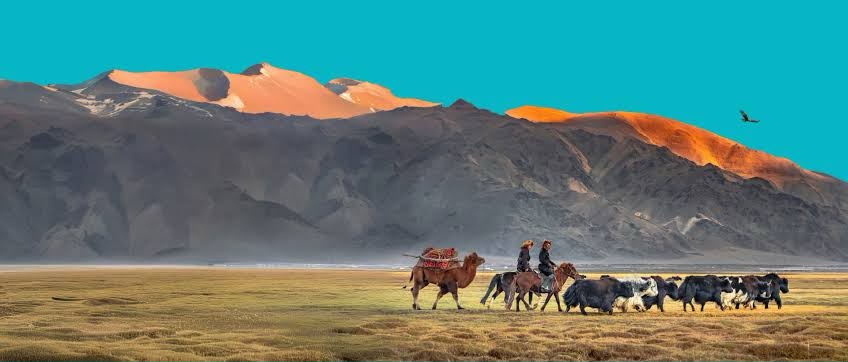
Mongolia, which covers about 1.56 million square kilometres, is also facing desertification and land degradation. Nearly 77 percent of its land is reportedly degraded.
Hosting UNCCD COP17 in Ulaanbaatar will draw global attention to land restoration priorities. This includes approaches that support livelihoods, food security, and ecosystems in dry areas.
COP17 is happening during the United Nations International Year of Rangelands and Pastoralists (IYRP 2026). This was declared by the UN General Assembly and is supported by Mongolia.
The year aims to speed up actions for the sustainable management, restoration, and conservation of rangelands. It also highlights the needs of pastoralist communities who depend on these ecosystems for their livelihoods.
During the two-week conference, participants will engage in discussions, including ministerial dialogues and forums on science-policy integration, innovation, and financing.
COP17 is expected to spark collective action on rangelands, resilience, and water, as well as food systems and soil health.

Drop your comment
No comments yet — be the first to drop the gist 👇