King Mswati III is enjoying a time of building roads and infrastructure as he celebrates 40 years on the throne in eSwatini, a kingdom with 1.5 million people. Many are cheering him on. Big banks like Standard Bank and Nedbank, along with top leaders from the region, are singing his praises. But activists, some now in exile, watch in sadness, trying to reclaim the conversation while regional leaders support the king.
The kingdom held a two-day event that brought thousands to the small, old Somhlolo stadium. From there, the celebration moved to Mbabane’s new International Convention Centre (ICC). The event was filled with color, music, and excitement.
Guests included Lesotho’s King Letsie III, as well as presidents Daniel Chapo from Mozambique and Emmerson Mnangagwa from Zimbabwe. Botswana’s young leader Duma Boko and Andry Rajoelina, Madagascar’s former leader now on the run, were also there. Ian Khama and Joseph Kabila, who both stayed in eSwatini after leaving their posts in Botswana and the DRC, were present too. Taiwanese leader Lai Ching-te had trouble with travel due to disputes with China but made it as a “stowaway,” according to China. Lai, whose team criticized China for blocking him from eSwatini in April, seems to be cozying up to a king known for being strict.
This relationship between the kingdom and Rajoelina and Lai contrasts with the ongoing human rights issues and the harassment of pro-democracy activists. Exiles would not dare return home. Those who remain feel too afraid to speak out. Critics express frustration over eSwatini’s friends ignoring these issues. A banned May Day rally in Hlatikhulu was limited to civil society discussions. The international media focused more on Lai’s travel troubles than on the “real state of affairs”: fear and silence, says Zweli Dlamini, one of the few investigative reporters still working in eSwatini.
“Any media outlet run or backed by mainland China would focus on Lai but ignore the suffering of the Swazis. His eagerness to visit here says a lot about him and what he gains from this relationship while the people of eSwatini suffer,” Dlamini says. “World leaders don’t care. Taiwan doesn’t care. China, the US, SADC, and other global groups also don’t care. Human rights abuses are well-documented,” he adds, referring to the 2021 massacre that still haunts the community.
“One MP is in jail. Another is in exile. Thulani Maseko is dead. These events connect to 2021,” Dlamini states. He points out Maseko’s role in the country’s failed national dialogue. “Who do you think killed him? If people fear for their lives, who will speak up?” Meanwhile, the royal family and government often make positive statements, talking about reconciliation, stability, peace, and unity. The state media supports this narrative.
King Sobhuza II, Mswati’s father, passed away in 1982 after ruling for 60 years. Four years later, after the Queen Mother, LaTfwala, governed as regent, an 18-year-old prince became King Mswati III on a hot day in April 1986. Now, after four decades, Mswati is the world’s second-longest reigning monarch, after Sweden’s Carl XVI, and the longest-serving leader in the Southern African Development Community (SADC).
The economic situation is not great either. The GDP is at US$4.86 billion, which means a GDP per capita of US$3,900. This ranks eSwatini at a low 149th worldwide. There are clear signs of progress with investments in road improvements and the new ICC. But, without fairness in the law, Swazis, struggling with poverty, face government oppression and state-sponsored deaths.
Despite a strong following from Southern Africa to Taiwan and the US, Mswati’s human rights record is poor. Many blame the king and his government for numerous cases of oppression and mysterious deaths, including those of Maseko, Thabani Nkomonye, and Sipho Jele, who died in custody. Groups like the LGBTI+ community are also targeted. The government banned a May Day rally, likely at the king's request, with help from the judiciary. This went unnoticed in South Africa, home to many Swazi exiles. Yet in April, Cyril Ramaphosa, South Africa’s president, praised the “strong and fraternal relations” between the two nations but did not mention the oppressive conditions under Mswati’s 40-year rule.
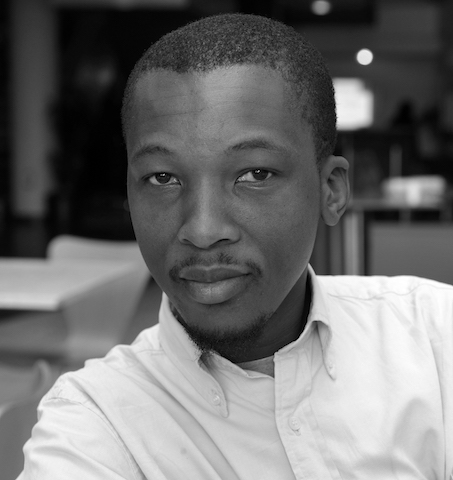
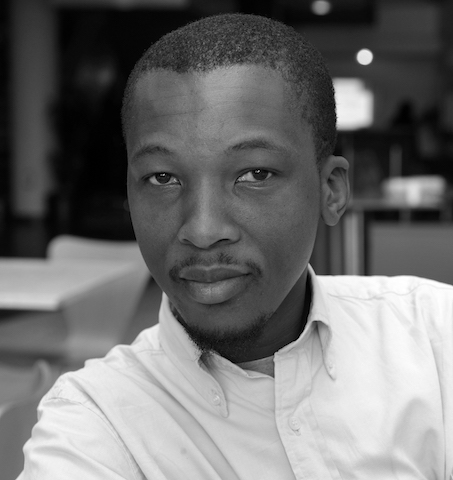
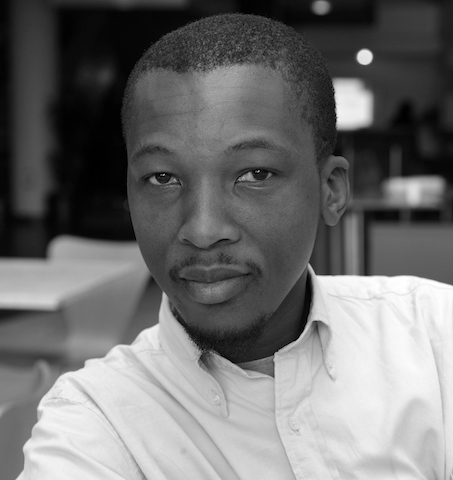
Mswati has been given many titles, “from tin-pot dictator to the last absolute monarch in Africa,” writes Bheki Makhubu. Makhubu, a brave journalist who, along with Maseko, faced false charges, has written a lot about Mswati. On the way to Manzini, near Lozitha Palace and beautiful mountains, Makhubu reflects on the king’s rule, from good times to bad.
Whistleblowers are pursued for asking for accountability, Makhubu says, complaining about the rise of conservative journalists as independent voices are pushed aside. Civil servants have faced consequences for demanding overdue salary increases. The state is accused of mistreating citizens who ask for justice, better social services, and the right to elect MPs and prime ministers. The banned People’s Democratic Movement (Pudemo) has been calling for these changes for years, but leaders like Ramaphosa and Boko have ignored those voices.
Direct elections would replace the current system where the king chooses the premier. Mswati has had 15 prime ministers, all men, with seven acting PMs. Only one, Barnabas Dlamini, served for five years. This constant change raises questions about planning for succession and, Makhubu believes, about suitability and accountability.
The economy is still struggling. The GDP remains at US$4.86 billion, with a GDP per capita of US$3,900. This ranks eSwatini low at 149th worldwide. Investments in road improvements and the new ICC show attempts at modernization. But, with no fairness in the law, Swazis, already facing high poverty, are caught between government oppression and state-sponsored deaths.
Prime Minister Russell Dlamini talks about “monarchial democracy” and economic empowerment but shows no real effort to make that happen. “It’s clear that many things remain undone… Almost 60 percent of people live below the poverty line,” Dlamini once admitted. Things have only gotten worse. At the time of the king’s celebration, spokesman Donald Mdhluli reported that 20 eSwatini nationals were arrested by South African police for illegal mining. In Lesotho, the government called unemployment a national disaster when it hit 30 percent last year.
Thulani Maseko was shot dead in 2023 at home. His widow, Make Tanele Maseko, believes King Mswati knew about or ordered the killing. “It was around 8 p.m. when Thulani expressed fears about being killed. The king had spoken at 3 p.m. At 10:15 p.m., he was shot dead,” she told The Nation. “We’re not kids here, the king meant what he said.” The PM was accused of bullying her when she sought answers.
The fear-silence issue also affected Nqobile Mkhatshwa, a political scientist. In her research, she argues that the regime is known for violently suppressing groups that oppose it. Mkhatshwa mentions the death of unionist Sipho Jele in custody days after being arrested for wearing a Pudemo T-shirt. “It is the threats and clear brutality of the state that instills fear in Swazis and keeps them from challenging the state.”
Looking at the guest list, which included Mnangagwa and Boko, known for defending human rights, Pudemo activist Pius Vilakati worries that the king is feeling stronger with SADC’s backing. Vilakati’s story is similar to Nkomonye’s. As a Law student at the then-University of Swaziland (Uniswa), Vilakati fled just before his friend Jele’s funeral. Jele’s death encouraged activists, but Makhubu fears that “nobody can dare speak out now” due to recent events like Maseko’s killing while watching football at home.
Vilakati finds it “an unsurprising irony” that Mswati welcomes Rajoelina, who fled Madagascar amid protests, yet silences Swazis. “When people are removed or step down because of human rights violations or theft, they find comfort in Mswati’s arms,” says the exiled student leader. “He’s run out of friends, so he’s taking anyone.” This view is common, but for different reasons. Princess Sikhanyiso points to power struggles within the palace and the lows some royal family members reach. “The king is quite isolated,” she said in Without A King.
Many requests for comments on Rajoelina’s visit to eSwatini went unanswered. Rajoelina disappeared for months after being ousted, only to reappear as Mswati’s guest in February and again at the king's event in Manzini last month. The government also ignored requests for comments on the brutality and reforms of the Tinkhundla system.
The monarchy claims Tinkhundla connects modern and ancient political systems. Critics disagree. A survey at Uniswa found that 45 percent of 1,000 people want Tinkhundla reviewed to allow voters to elect their MPs and PMs directly. A quarter wanted the system kept, and 30 percent were unsure. Makhubu tracks the root of the problem. “Even if Tinkhundla were changed to multi-party democracy today, you’d still have an issue: accountability,” he says. “Forming a party with people who work with the king won’t change the fact that they have little understanding. They’ll still be accountable to the king. Others might think their authority is supreme and only accountable to themselves.”
Fresh from another assault on May Day, pro-democracy activists and organized labor are preparing to mark the fifth anniversary of the 2021 massacre. Expect the state to respond harshly. But will things calm down and the political climate worsen again afterward? Dlamini is hopeful. “Give it time, but we know that change will come. What we saw in 2021 made people think and reflect. It won’t take long, but it also won’t be quick.
Drop your comment
No comments yet — be the first to drop the gist 👇