
Malaria is still one of the deadliest diseases in the world, especially in Africa. It is caused by Plasmodium parasites that female Anopheles mosquitoes transmit through their bites. Despite efforts around the world to fight it, malaria remains a major public health issue.
The female Anopheles mosquito bites mostly at night. Malaria does not spread through casual contact like hugging or sharing food. However, a pregnant woman can pass it to her baby during pregnancy or childbirth.
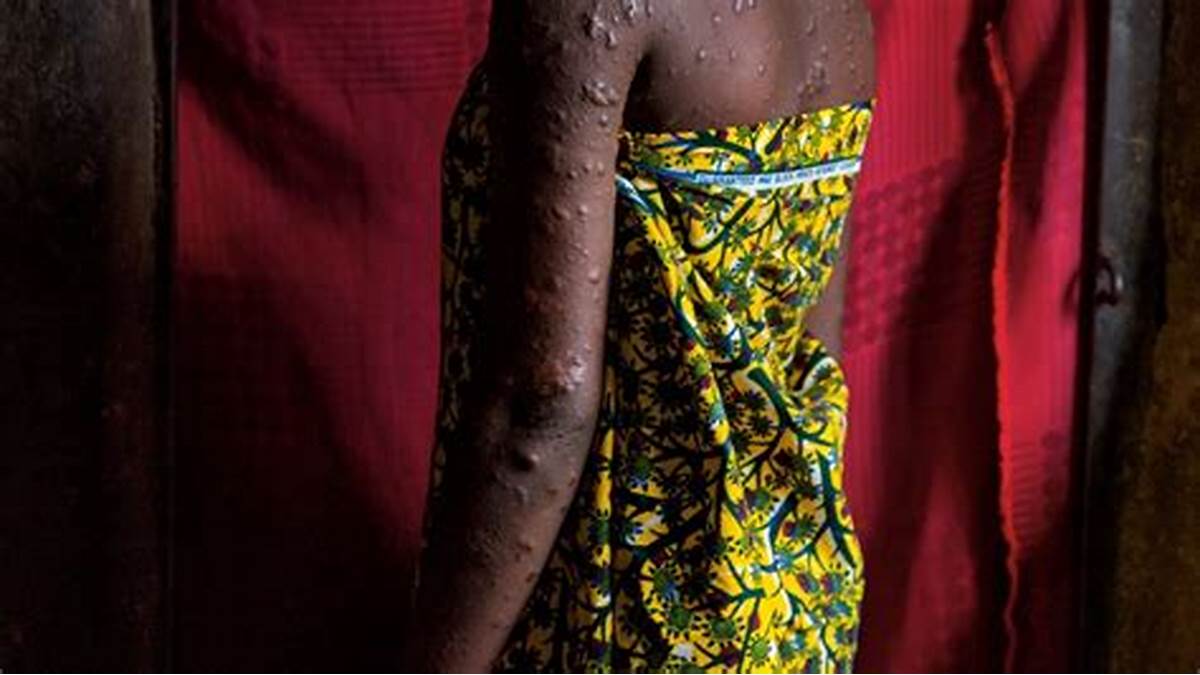
For many, mosquito bites seem like a minor annoyance. But the bite from an infected mosquito can have serious effects. Malaria is not just a regular fever to ignore or treat with self-medication. Without quick diagnosis and proper treatment, it can cause severe anemia, organ failure, cerebral malaria, and even death.
Every year, malaria kills more than 600,000 people, with most of these deaths being African children. Every April 25, the world marks World Malaria Day to renew the commitment to stop malaria. But despite the campaigns and promises, malaria still spreads in sub-Saharan Africa. Factors like poverty, poor sanitation, weak healthcare systems, and limited access to good medical care fuel this issue.
The World Health Organization’s World Malaria Report 2025, released ahead of the 2026 World Malaria Day, shows that there were about 282 million malaria cases worldwide in 2024. This is up from 273 million in 2023. The report also states that around 610,000 people died from malaria in 2024. This shows that malaria is still a serious threat globally.
Africa carries the biggest load, making up 94 percent of malaria cases and 95 percent of malaria deaths worldwide. Even more concerning is that 75 percent of malaria deaths in Africa are in children under five. These numbers reflect the pain families face and the potential futures lost from a disease that can be prevented.
Nigeria is one of the countries hit hardest by malaria. Together with the Democratic Republic of Congo, Ethiopia, Mozambique, and Uganda, it accounts for over half of the world's malaria cases. This situation calls for action from governments, healthcare providers, businesses, community leaders, and all citizens.
The theme for the 2026 World Malaria Day is “Driven to End Malaria: Now We Can. Now We Must.” This shows hope for the future. The WHO mentions that new tools like malaria vaccines, better insecticide-treated nets, and improved medicines are saving lives. But challenges like drug resistance, climate change, crises, and lack of funding threaten this progress.
There is hope. Since 2000, malaria efforts have prevented about 2.3 billion cases and saved around 14 million lives globally. Also, 47 countries have been declared malaria-free. This shows that with ongoing commitment, investment, and good public health practices, malaria can be eliminated.
One big misunderstanding that adds to Nigeria’s malaria problem is the belief that every fever is malaria. Fever is just a symptom, not a disease. While malaria often causes fever, other viral, bacterial, and medical conditions do too. Many people start taking malaria drugs without confirming what they are sick with.
This habit of self-medication is risky. Malaria symptoms like fever, chills, headache, weakness, and sweating can look like those of other illnesses. It is important to get a proper diagnosis using blood tests or Rapid Diagnostic Tests (RDTs). Treating malaria without confirmation can lead to drug resistance and delay treatment for the real illness.

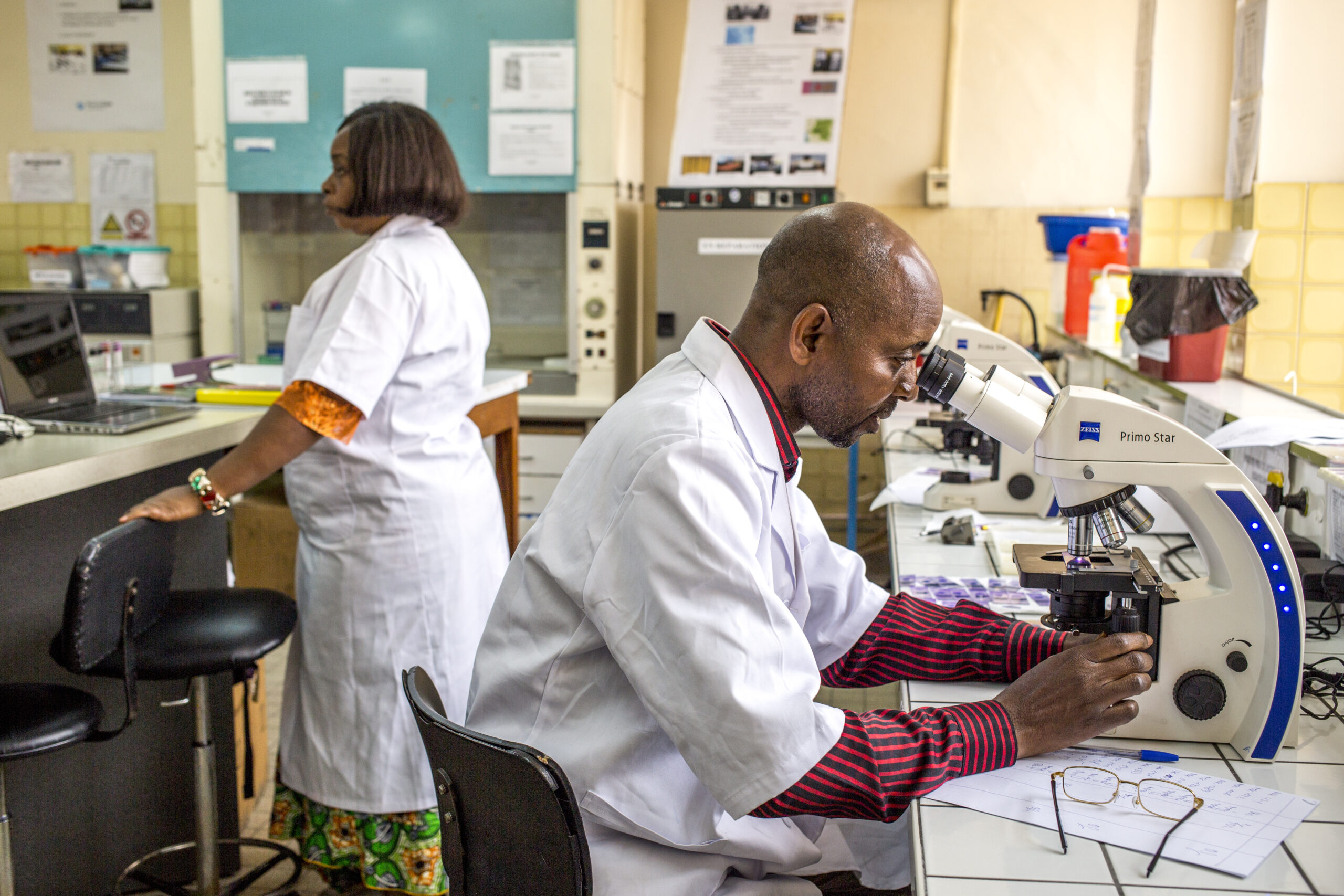

Health experts say that treatment for malaria should start only after a diagnosis. Once confirmed, the World Health Organization suggests using Artemisinin-based Combination Therapy (ACT) from qualified health workers. Patients should finish all medications, even if they feel better, and get medicines only from licensed pharmacies and health facilities to avoid fake or low-quality drugs.
Children under five, pregnant women, and those with weak immune systems are at high risk of severe malaria. Without quick medical help, severe malaria can lead to coma, organ failure, or death within 24 hours. That is why early diagnosis and prompt treatment are very important.
Governments must keep working to improve malaria prevention and treatment. In Ogun State, Governor Dapo Abiodun’s administration has kept up various healthcare programs to reduce malaria and improve access to quality healthcare. These include giving out insecticide-treated mosquito nets, malaria test kits, and medicines, along with better services in government hospitals and primary healthcare centers.
The Ogun State Health Insurance Agency (OGSHIA) also deserves praise for providing affordable healthcare to people in both the formal and informal sectors. By encouraging people to seek proper medical care instead of self-medicating, the program helps improve health outcomes and cut down preventable deaths.
But government efforts alone cannot end malaria. The private sector also has a big part to play. Businesses can help by donating mosquito nets, sponsoring free screenings, supporting healthcare facilities, and funding public awareness campaigns.
Religious and traditional leaders, as well as community heads, also have important roles, especially in rural areas where ignorance and self-medication are common. They can use churches, mosques, palaces, schools, and community meetings to share correct health information and promote preventive actions.
Communities need to focus on keeping their surroundings clean by clearing blocked drains, removing stagnant water, and maintaining a clean environment where mosquitoes cannot breed. Good sanitation is one of the easiest and most effective ways to reduce malaria spread.
Individuals also have a part to play. Sleeping under insecticide-treated mosquito nets, using mosquito repellents, keeping homes tidy, getting tested before treatment, and finishing prescribed medication are simple but effective ways to save lives.
Malaria is not a death sentence or an unavoidable part of life in Africa. It is preventable and treatable. It continues to thrive mainly due to neglect, misinformation, and lack of collective action. With better awareness, stronger healthcare systems, ongoing political commitment, and community participation, we can greatly reduce and eventually eliminate malaria.
The fight against malaria is everyone's business. Governments, health workers, NGOs, private companies, religious groups, community leaders, and citizens all have a role to play. Malaria has taken too many lives for too long. The knowledge and tools to defeat it are available. What is left is the will to act, and to act quickly.
Drop your comment
No comments yet — be the first to drop the gist 👇