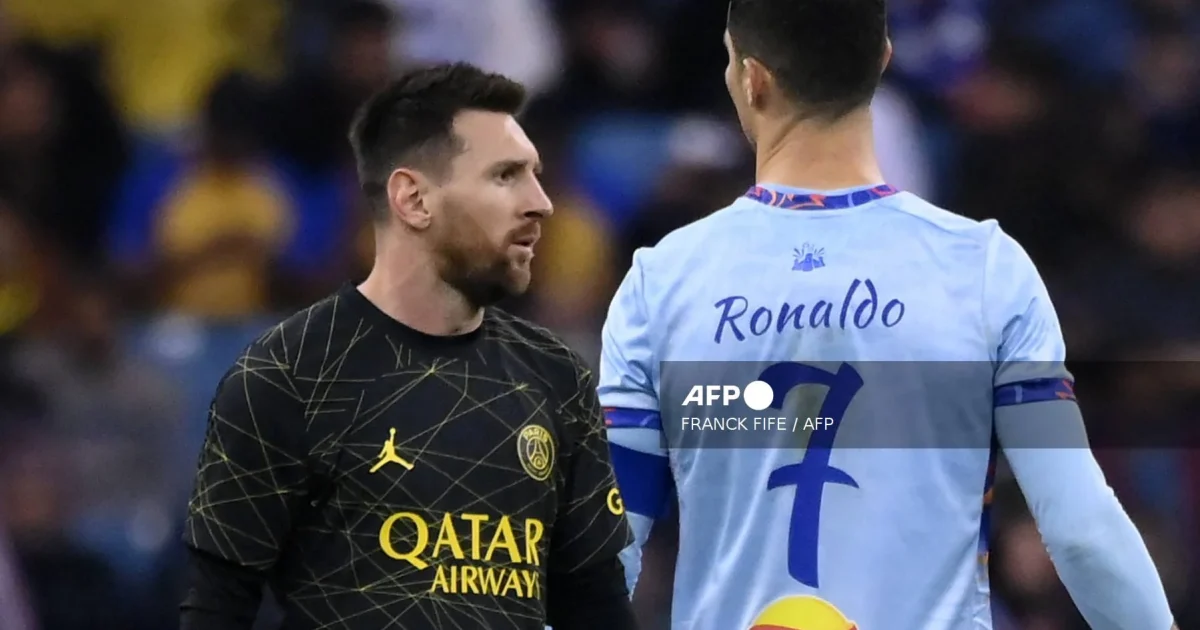
As Cristiano Ronaldo and Lionel Messi chase what seems to be their last World Cup, a new group of players is changing the face of football. Their impact goes far beyond Europe.
The excitement builds even before the ball gets to him.
In a crowded stadium, thousands of fans stand up almost without thinking as Cristiano Ronaldo moves into the penalty area. They have seen this happen many times over the last two decades. The excitement is like a reflex.
Then he scores.
Another goal.
Another record.
Another reminder that football's oldest star is still fighting against age.
But as Portugal celebrates, another story quietly unfolds around him.
The loudest cheers still belong to the legends.
Yet, the future is increasingly in the hands of the younger generation.
This change has become one of the key themes of the 2026 FIFA World Cup.
For almost 20 years, football's biggest discussions, from Ballon d'Or races to World Cup legacies, have often returned to Ronaldo and Messi. Their rivalry crossed clubs, countries, and generations, pushing each other to reach new heights and changing what sustained greatness means.
At the 2026 FIFA World Cup, something special is happening.
The legends are still making amazing plays. They continue to earn standing ovations and break records. But for the first time in nearly 20 years, they are not the only ones in the spotlight.
A new generation is here, not waiting in the background but ready to take center stage. For the first time since Ronaldo and Messi started their incredible run, the biggest story at the World Cup is not just about what the legends can still do. It is also about who will take over and change the game they created.
Ronaldo and Messi did not just shine. They changed football itself.
Ronaldo turned elite professionalism into an obsession with his intense training, scientific recovery, and strong desire to outlast everyone. Messi changed the pace of the game, turning football into a beautiful art based on vision, precision, and tricky angles.
Together, they ruled the global game for two decades like no other generation before them.
They also gained from, and sped up, the changes in modern football through sports science, global scouting networks, social media, and the huge financial power of Europe’s top clubs.
Now, that era is slowly coming to an end. It is not ending with a big bang, but with a smooth transition happening in stadiums across North America.
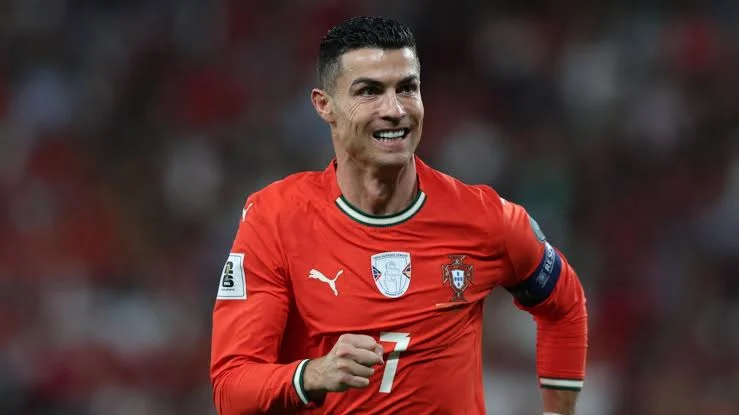
Cristiano Ronaldo still battles time with his usual spirit. His two goals against Uzbekistan made him the first player to score in six different World Cups. But against younger and more fit opponents, signs of tiredness are starting to show. Portugal is relying more on younger players to press hard and regain possession, helping Ronaldo save energy for key moments.
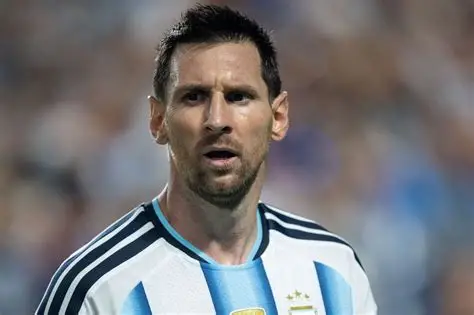
Lionel Messi has chosen to adapt rather than resist. At 39, he may not be as fast, but his football intelligence is unmatched. A hat-trick against Algeria and more goals, including a classic free-kick against Jordan, have raised his World Cup total to 19, the highest ever in the tournament. Even when he comes off the bench, he still has a big impact on games with his vision, calmness, and smart choices.
Neymar’s journey has been more complicated. With ongoing fitness issues limiting him to substitute roles, the Brazilian has become an emotional link between generations rather than the main star of Brazil's team.
Each legend has reacted differently to the same truth: the body eventually slows down. But the competitive spirit rarely fades.
Modern football has changed around them. It is faster, more athletic, and more about teamwork. High pressing, quick transitions, and flexible positioning now define success at the highest level.
The tactical changes reflect the physical ones. Teams are moving away from building their entire system around one superstar to coordinated pressing, fluid movements, and collective intensity. Even the greatest players now shine best in systems that maximize everyone’s strengths rather than focus on just one.
That is why the new generation fits this era so well.
Kylian Mbappé is no longer just “the next Messi.” At 27, he combines incredible athleticism with growing tactical awareness. He plays deeper to connect the game, leads the press, and stretches defenses in ways that perfectly match France’s fast-paced style. Multiple braces, including one against Sweden, have kept him in the race for the Golden Boot.
Vinícius Júnior has become Brazil’s main player in transitions. His high positioning, relentless pressing, and fearless running have boosted the Seleção. Unlike Neymar’s flair-heavy style, Vinícius attacks space with urgency, perfectly reflecting modern football’s focus on speed.
Lamine Yamal, still just 18, represents something even newer. His fearless dribbling, creativity in tight spots, and eagerness to take on defenders show a generation raised on intense football. He does not play like someone just happy to share the field with legends.
For African football, this shift offers both hope and tough questions.
Nigeria is watching this tournament from home after not qualifying, while Morocco builds on its historic 2022 campaign. Senegal is going through its own transition, and Côte d’Ivoire is showing the promise of a new talented generation.
The rise of stars like Mbappé, Vinícius, and Yamal highlights an important lesson: elite football is no longer just about talent. It relies on systems that can identify, develop, and nurture young players over many years.
Africa's challenge is not just to produce gifted players. It is to keep enough of the value created from their development.
Too often, exceptional young talents leave the continent too early, while the advanced coaching, sports science, and financial investment needed to turn potential into global stars are found elsewhere. Until this gap closes, Africa will keep sending out amazing talent without consistently turning it into lasting success at the highest levels.
Nigeria has always had talented footballers. The country’s challenge has been creating stable paths that take gifted young players from local pitches to professional football.
From Lagos to Kano, Aba, Enugu, Jos, and many other towns, raw talent is everywhere. The challenge is turning that talent into a steady flow of world-class footballers through long-term investment in grassroots football, youth academies, coaching education, sports science, and player welfare.
The next global superstar may already be playing with a worn football on a dusty pitch somewhere in Nigeria. Whether that player makes it to football’s biggest stage will depend on talent and the systems built around that talent.
Football has seen generational changes before.
In 1958, a 17-year-old Pelé burst onto the scene. In 1986, Diego Maradona combined skill with defiance. The late 1990s were defined by Ronaldo Nazário’s incredible speed. By the mid-2000s, Cristiano Ronaldo and Messi began a rivalry that shaped an era.
Every generation thinks it is witnessing the best football has to offer.
But history tells a different story.
Football does not replace greatness.
It renews it.
Now, in North America, the cycle is turning again.
Every cheer for Ronaldo’s latest goal, every wow at another Messi moment, and every heartfelt hug for Neymar carry an unspoken truth.
Football never stays the same.
Somewhere between Mbappé’s sharp finishing, Vinícius’ exciting plays, and Yamal’s boldness, another era has already started.
The kings are still on their thrones.
But for the first time in nearly 20 years, the heirs are no longer waiting outside.
They have already stepped in.
Drop your comment
No comments yet — be the first to drop the gist 👇