Nigeria's first confirmed Ebola patient is the wife of a diplomat. She travelled to Uganda's capital, Kampala, for a holiday. Jean Kaseya, the Director-General of the Africa Centres for Disease Control and Prevention, shared this information.
Mr Kaseya said the woman is originally from Uganda but lives in Abuja. She showed symptoms of Ebola three days after returning to Nigeria on 3 October.
The patient first felt unwell on 6 October. Initially, she thought she had malaria and went to a private hospital for treatment. When her condition did not improve, she went to another private hospital. She was admitted on 11 October.
"She went to the first hospital, a private hospital, thinking that she had malaria, and then she went to the second private hospital. She was admitted on the 11th," Mr Kaseya told the BBC’s Newshour programme.
Patient's travel and health status
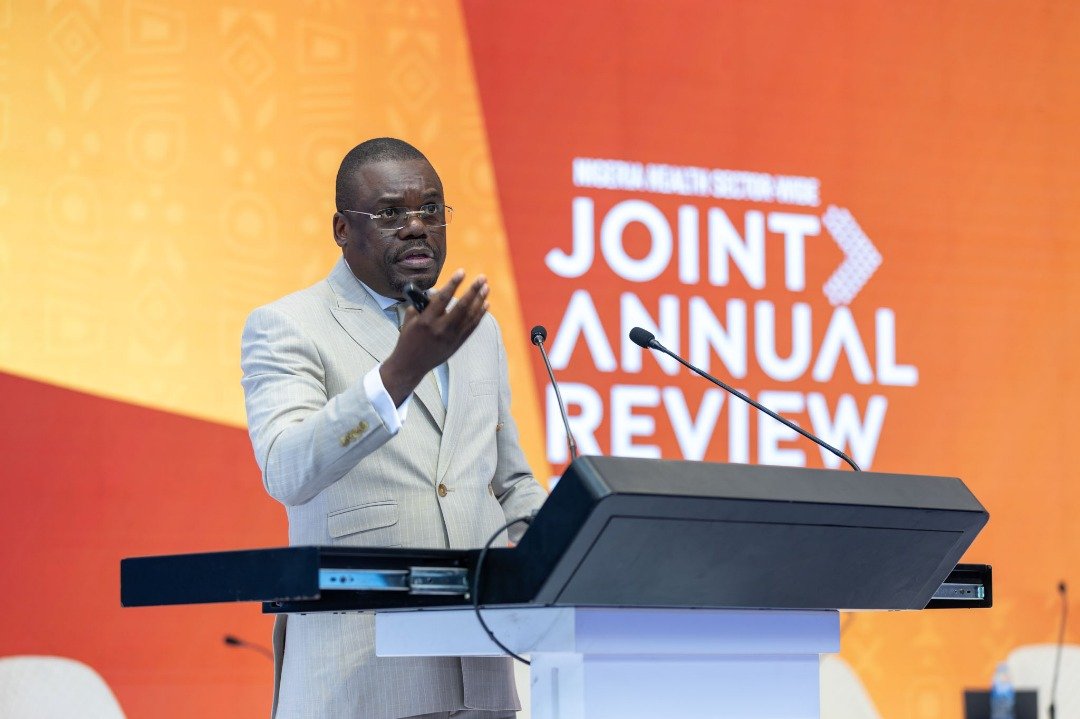
According to the BBC, Nigeria’s Coordinating Minister of Health and Social Welfare, Muhammad Pate, confirmed that the 42-year-old woman spent two and a half weeks in Kampala. She returned to Abuja through Ethiopia, where she had a two-hour stop in Addis Ababa.
Mr Pate said the woman tested positive for Ebola on Tuesday. He added that she was stable and responding to treatment. "She’s stable, she’s improving," he said.
Health authorities have identified 44 people who were in contact with her. They are taking steps to prevent further spread of the virus. "Not all of them have been in close proximity. We cast the net wide so that we contain it as broadly as possible," he told the BBC.
The minister also noted that none of the identified contacts had shown symptoms. He mentioned that the woman had stayed in Abuja since her return to Nigeria.
Public health authorities were alerted on Monday, 19 October, when her condition did not improve. Her Ebola diagnosis was confirmed the next day after three laboratory tests.
Ebola has an incubation period of 2 to 21 days. This means an infected person might not have symptoms for several days or weeks after exposure. Ebola spreads through direct contact with the blood or other body fluids of an infected person or with contaminated materials. Common symptoms include fever, headache, severe weakness, vomiting, and diarrhoea.
Conflicting reports on travel history
The latest information from Nigerian authorities and the Africa CDC differs from an earlier report by Uganda’s Ministry of Health. Ugandan authorities described the patient as a Nigerian who travelled to eastern Democratic Republic of the Congo for business. They said she only passed through Uganda on her way back.
The Ugandan government insisted there were no active confirmed Ebola cases in the country. They maintained that the woman’s transit through Uganda did not mean she got the virus there. However, Mr Pate said Nigerian authorities were working with Uganda, Ethiopia, and the Africa CDC to trace the patient’s full travel history.
"We respect our sister nation of Uganda," he said. "We have very strong solidarity, we are all in it together."
Mr Kaseya called for better information-sharing among African countries. He encouraged Western countries not to impose travel restrictions. He said international cooperation and solidarity are important to control the outbreak.
Ongoing regional outbreak
Nigeria's confirmed case comes during an ongoing Ebola outbreak linked to the Bundibugyo virus in the DRC. The European Centre for Disease Prevention and Control reported over 9,500 cases and 4,602 deaths in the DRC as of 19 October.
Kenya confirmed its first imported case in early October. It reported a ninth case recently. The health ministry said all nine cases belong to one known group, with eight patients responding well to treatment.
The first Kenyan patient had travelled from the DRC through Uganda before arriving in Nairobi. This has raised concerns about the movement of the virus across borders. Uganda had recorded Ebola cases earlier in 2026 but declared its outbreak over after a period without new confirmed cases.
Nigeria's current case has brought attention to the risks of international travel during an outbreak. Public health authorities are trying to find the source of the infection and prevent more cases.
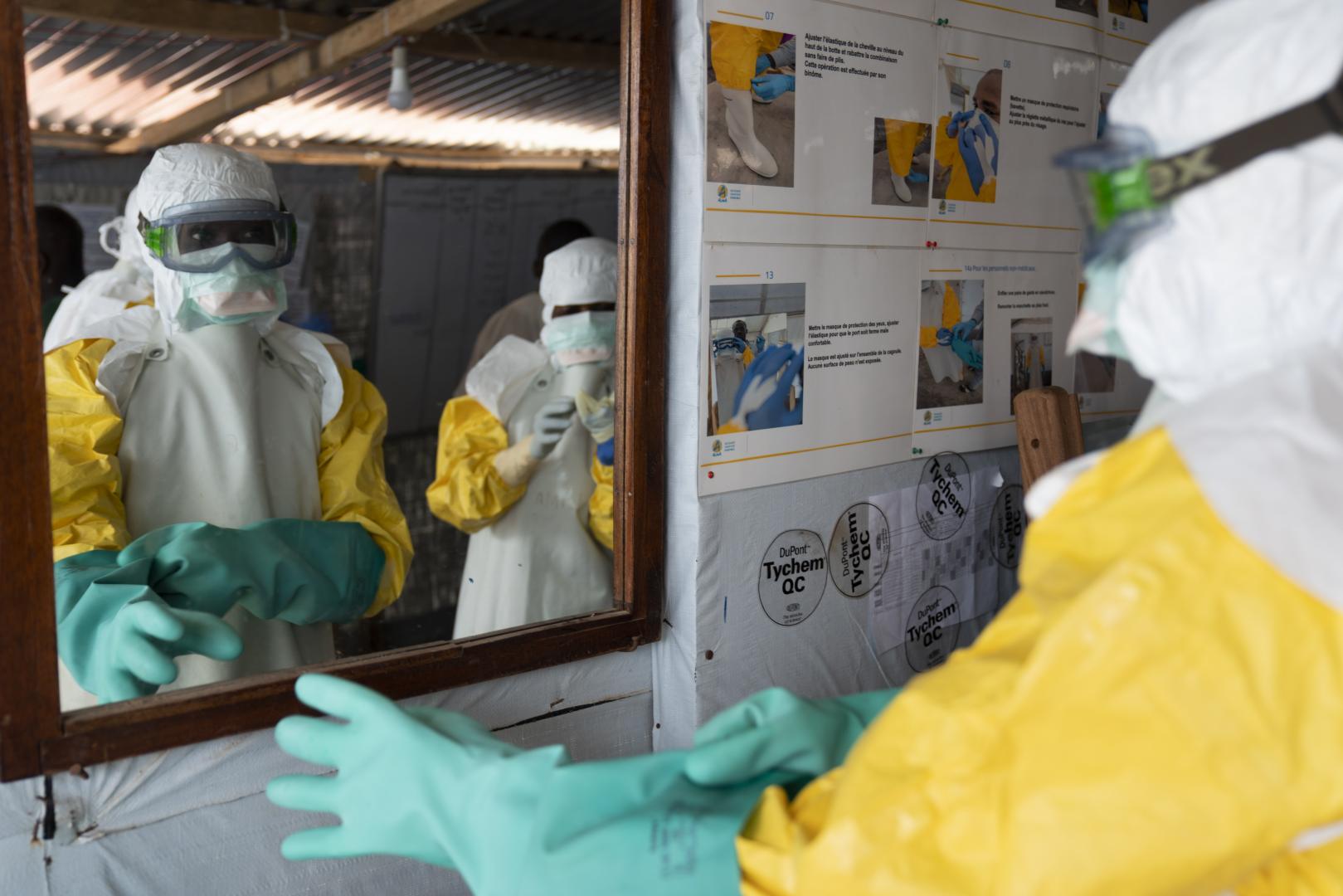
Health authorities advise the public to keep good hand hygiene, avoid contact with the body fluids of suspected cases, and report possible exposure to health officials.
Lessons from 2014 outbreak
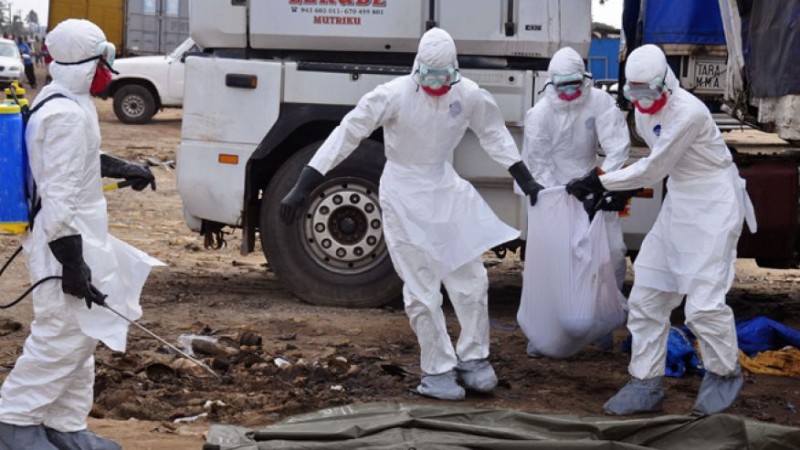
Nigeria faced an Ebola outbreak in 2014 after an infected traveller arrived in Lagos from Liberia. This outbreak led to 20 cases, including 19 confirmed cases and one probable case, with eight deaths.
The World Health Organisation declared Nigeria free of Ebola transmission on 20 October 2014 after the country went 42 days without a new case. Mr Pate expressed confidence in the country’s ability to handle the current case. He pointed to improvements in disease tracking, laboratory work, and trained health workers.
He said Nigeria's past experience with Ebola gives them confidence in their response. "We have done it in 2014, and we have good public health institutions," Mr Pate said.

Drop your comment
No comments yet — be the first to drop the gist 👇