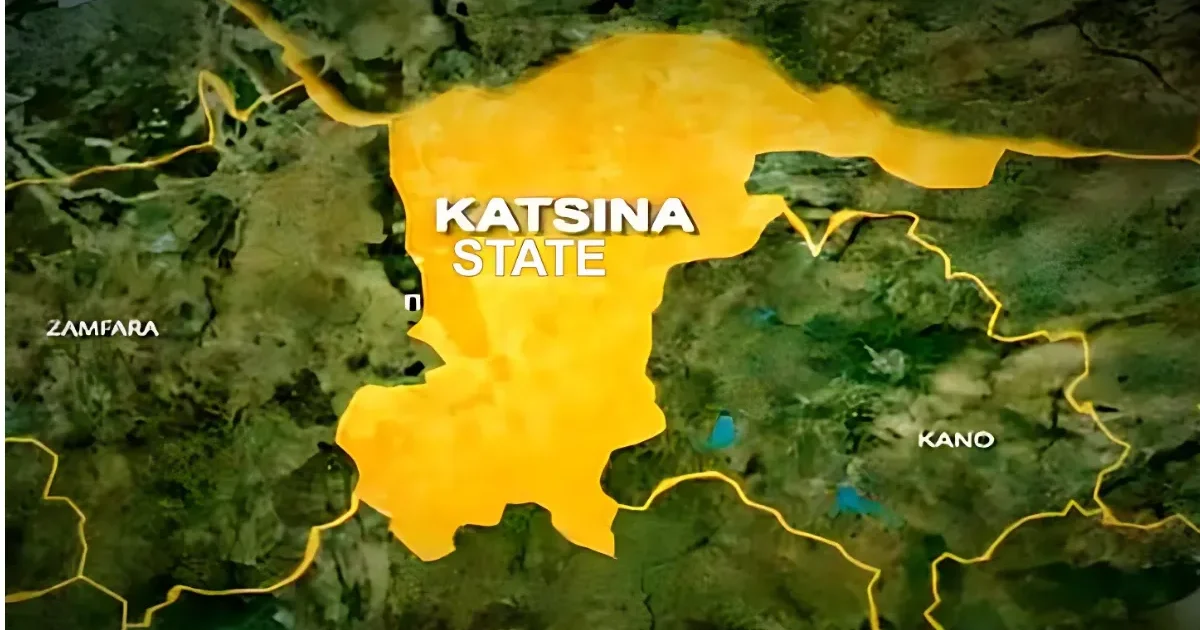
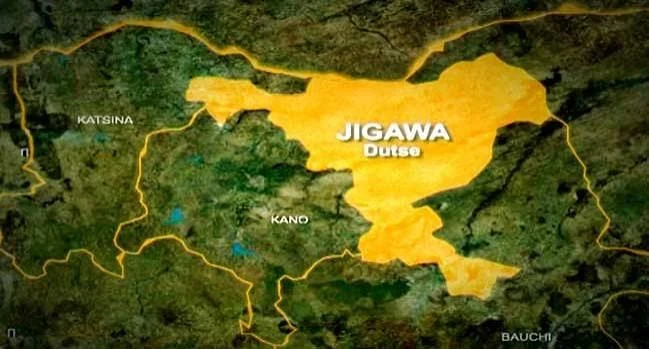
I can't shake this thought: thirty-seven Nigerians died while in state custody in Minna, Niger State. They were arrested for suspected illegal mining.
Their families and the rest of us are now in mourning. This is horrific and shocking. The situation shows that the government reacts more than it acts ahead of time.
To be fair, the authorities acted quickly. They suspended some senior officials, condemned the deaths, and set up an independent inquiry with credible members on the panel. But I won't applaud the government just yet. A legal and regulatory framework for artisanal mining might have prevented these deaths.
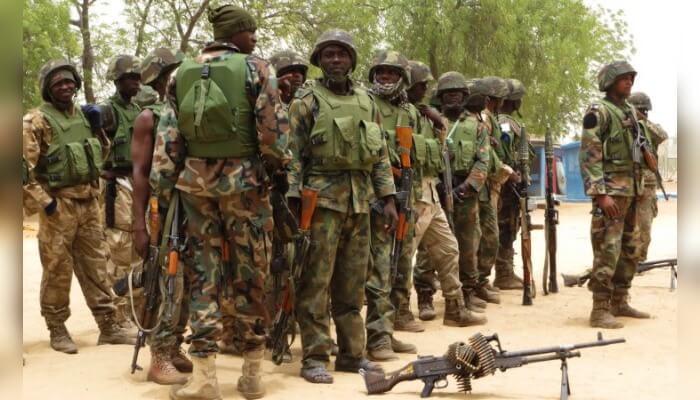
The government should be ashamed that 37 citizens died in the custody of the Nigeria Security and Civil Defence Corps (NSCDC). Three survivors shared their story about that night. They said NSCDC personnel sprayed something into the overcrowded cell and kept the doors locked, ignoring the cries for help. Dauda Shehu, 29, told Reuters, "they sprayed something which smelled like a perfume. Hours later we started feeling throats itching, then we started struggling to breathe. People started dying."
This raises an important question: is it right to criminalize artisanal mining? Does this policy just add to poverty, insecurity, and violence while leaving powerful players in the mining business untouched?
When 37 young men died in a crowded state cell, did Nigeria face an unexpected health crisis? Or was this the result of treating poor artisanal miners as security threats instead of human beings deserving safety and dignity?
I believe artisanal mining is some of the toughest work out there. Yet, Nigeria's tough economic conditions push many young men to seek ways to survive in difficult ways.
Artisanal and small-scale mining (ASM) is mostly informal. It includes workers worldwide using basic tools like picks and shovels to dig out valuable metals from the ground. This includes cobalt, tin, tungsten, tantalum, gold, diamonds, gemstones, iron, lithium, and more. These workers, mostly poor, provide for their families through artisanal mining. The same minerals they dig up are becoming more valuable to global economies, as they are key for technology and energy.
Metals are essential for the world’s economies. They power computers, mobile phones, airplanes, medical devices, electric cars, and rechargeable batteries.
Countries like China and the United States, two major economies, are seeking these critical minerals. They use both informal and formal methods to acquire them for their interests. The current global competition over these minerals is quite complex.
For instance, in the Democratic Republic of Congo, China and the US are in a race. They are sending billionaires, envoys, and signing tough agreements with the DRC government. A US mining company, KoBold Metals, backed by Bill Gates and Jeff Bezos, is chasing critical-mineral opportunities in the DRC. It feels like another scramble for Africa.
What happened in Nigeria goes beyond mining safety. It shows a failure in policy.
This incident highlights three policy failures: unregulated artisanal mining, weak rural livelihoods, and how people in state custody are treated.
Artisanal mining is often wrongly categorized with "illegal mining." That language is serious. Some miners may not have licenses or work in unsafe conditions. But they are still people with rights. Even if they face regulatory or criminal issues, the state must provide humane treatment, enough space, air, water, medical help, and timely judicial processes.
Nigeria’s artisanal-mining sector reflects harsh economic realities. For many in mineral-rich but poor communities, mining is often the last option. This is due to unemployment, land issues, low agricultural returns, and demand for gold, tin, columbite, and other minerals. Focusing only on arrests without creating formal pathways can worsen poverty instead of solving illegal mining.
The Minna deaths follow other deadly mining incidents in 2026. In February, many miners died in Wase, Plateau State, due to toxic gas exposure. Reports say 37 or 38 died, with more injured. On September 22, four artisanal tin miners, two men and two women, were killed when a pit collapsed in Baban Rafi, Bokkos LGA, Plateau State.
These events show that Nigerian artisanal miners face two connected dangers: work risks and governance problems.
The Minna deaths should be seen as a test of Nigeria’s law and order. The government must regulate illegal and unsafe mining but also care for the people.
The Minister of Interior, Olubunmi Tunji-Ojo, said government institutions should not be “places of death,” and he is right. Many informal artisanal miners are young, poor, and excluded from formal jobs.
Nigeria needs to change its approach of raiding and detaining artisanal miners. The government should not just give licenses to the wealthy, like it does with oil blocks. It must formalize artisanal mining by providing proper licenses for small miners, safety training, geological information, equipment leasing, mineral-buying centers, and environmental compliance.
This formalization should be cheaper and quicker. It can reduce illegal mining and fix institutional failures like those seen with the NSCDC. A formalized artisanal sector can help separate criminals from honest small-scale miners, prevent workplace disasters, and save lives.
This is my request: Nigeria's policy should treat artisanal mining as a legitimate economic sector needing formalization, not criminalizing people's livelihoods.
Drop your comment
No comments yet — be the first to drop the gist 👇