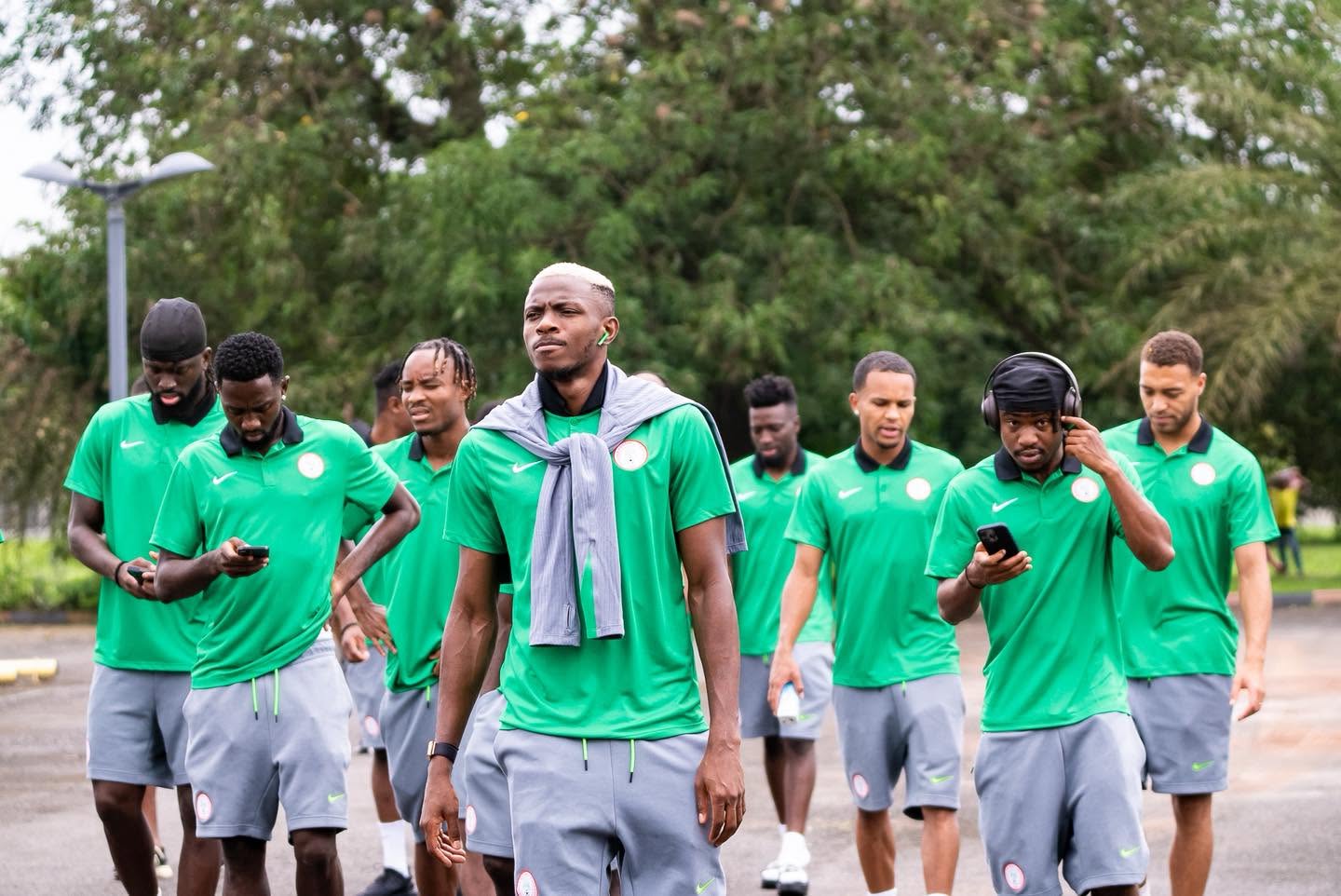
As the 2026 FIFA World Cup starts on Thursday in North America, Nigeria's absence feels heavy. It is a pain that lingers in the heart.
Questions keep coming; why aren’t we there? Who is at fault? But over time, I’ve realized that blaming others doesn’t help. It doesn’t fix anything. So I turn my thoughts towards a brighter future: why can’t the Super Eagles reach the final of the next FIFA World Cup in 2030, taking place in Morocco, Spain, and Portugal? This idea makes me smile. It also makes me think deeply. What would a real plan look like?
I looked at the players we have now, both experienced and new talent. I noticed something important. Most of the necessary pieces are in place. The talent is not the problem. It never was. What we lack is clear direction, a strong plan, and the guts in management to turn our potential into trophies.
What does it take to win a World Cup?
The simple answer is great players. But the real answer is harder to achieve. Look back to the 2010 World Cup in South Africa. Spain won with seven goals in eight matches. They were not the flashiest team but the most organized. Vicente del Bosque’s squad had spent years developing a shared style, mastering short passes and teamwork. Xavi, Andres Iniesta, and Sergio Busquets were three midfielders who played together so long they hardly needed to communicate. Most of their players came from La Liga, which gave them a clear understanding before they even arrived in Johannesburg.
In 2014, Germany had a similar story, but more intense. Their 7-1 win over Brazil in the semi-final is remembered as a shocking score, but it was the result of a decade-long overhaul after the Euro 2000 disappointment. They focused on teamwork and the understanding that no one player was bigger than the team.
In 2018, France mixed youth with smart tactics. In 2022, Argentina brought in a strong sense of belief. Messi led the team, but players like Rodrigo De Paul, Alexis Mac Allister, Enzo Fernandez, and Julian Alvarez were crucial too. The common factor with all four champions is clear: they were not just a group of talented players. They were teams with a clear identity.
The talent is already there
Nigeria’s absence from the 2026 World Cup hurts because talent was not the issue. At the 2025 Africa Cup of Nations, Ademola Lookman had the highest player rating at 8.81, ahead of stars like Mohamed Salah and Sadio Mane. Victor Osimhen, one of the world's top strikers, was also ranked fourth overall. Wilfred Ndidi and Akor Adams were in the top six too. Nigeria had more players in the MVP conversation than any other nation. Still, we missed the World Cup.
The problem started in the qualifying rounds. Three different coaches, Jose Peseiro, Finidi George, and Eric Chelle, led the team during one qualifying series. Each had different ideas and demands for the same players. We drew at home against Lesotho, Zimbabwe, and South Africa. Just two days before a playoff against Gabon, players refused to train due to unpaid allowances. This was not a tactical failure. It was a management disaster.
The bones of a formidable 2030 side
The good news is that the pieces for a strong 2030 team are already visible. By 2030, Stanley Nwabali will be 27, in his prime, with Maduka Okoye as experienced backup and young star Arthur Okonkwo, a 6'6" product of Arsenal, possibly stepping up as the future goalkeeper.
In defense, Calvin Bassey will be 30, composed and effective in European football. The rise of Benjamin Fredrick and Abdullahi Bewene is promising since the current defense often lacks focus. The equalizer from DR Congo in the playoff showed this weakness, and it was not a one-time mistake.
The midfield excites me the most. Wilfred Ndidi will remain key: disciplined and smart, he is Nigeria’s own Sergio Busquets. But at 33 in 2030, he can't carry the team alone. That’s where Raphael Onyedika comes in. He will be just 26 and brings energy and skill. Fisayo Dele-Bashiru, once with Manchester City and now at Lazio, is also a bright star. He will be 29, right in his prime.
Then there is Ebenezer Akinsanmiro. This 21-year-old from Remo Stars, on loan at Pisa, is one to watch. By 2030, he will be 25, at the age when top midfielders control games. If he develops well, Nigeria might finally have the Xavi-like player we have needed for years.
In attack, we have plenty of talent. Victor Osimhen will be 31, at a stage where great strikers show their best football. Ademola Lookman will be 32, playing with purpose and focus, making every finish count.
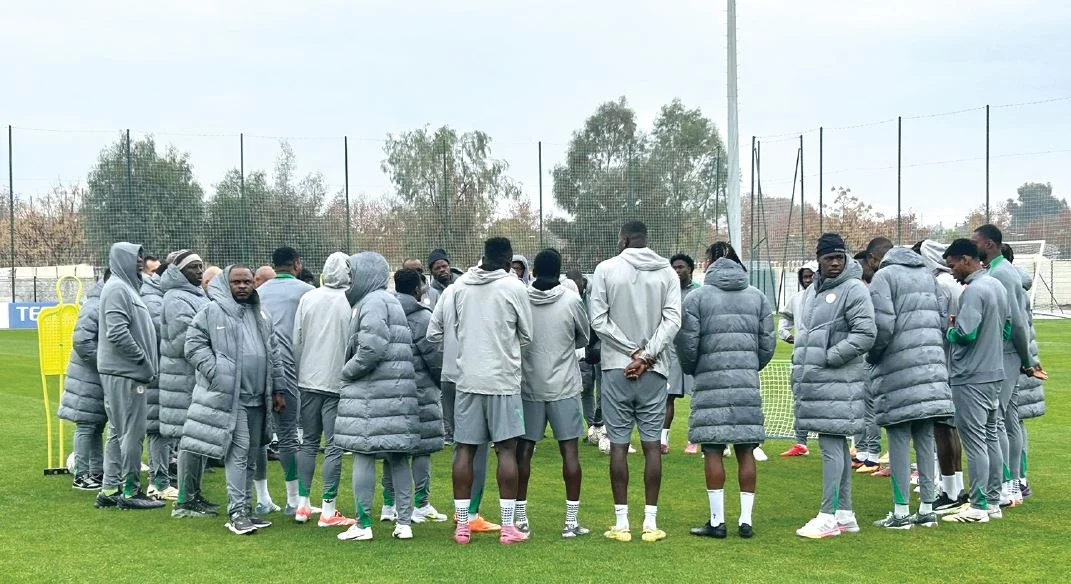
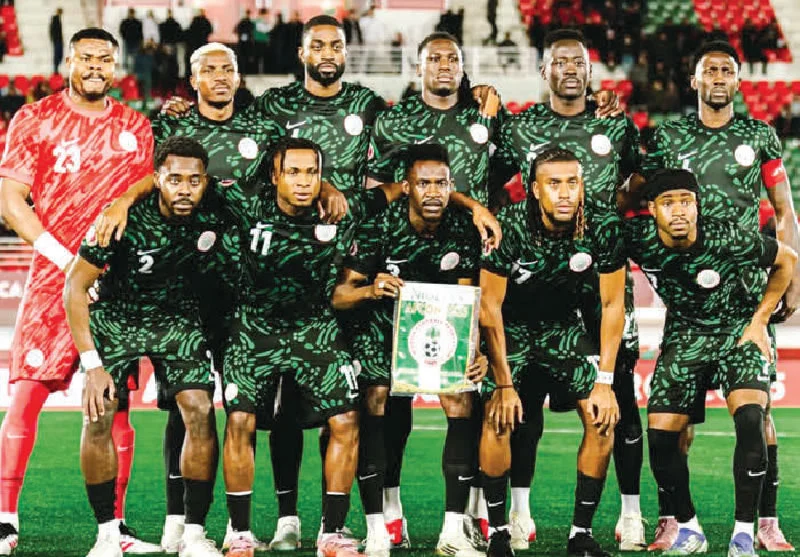

His recent hat-trick for Atalanta showed his abilities. Alongside him, Samuel Chukwueze’s speed and skills, Akor Adams challenging defenders in La Liga, and the exciting 19-year-old Zadok Yohanna could shine as breakout stars. If Victor Boniface can regain his earlier form, he could also add to the attack.
Four pillars NFF must build
All this talent means nothing without a strong plan. We have the players. The real question is whether the football administrators are ready to support them.
The first pillar is straightforward but tough to achieve: one coach with a clear vision for four years. Nigeria has succeeded with this in the past. From 1989 to 1996, Clemens Westerhof and Bonfrere Jo led the Eagles through our best years, including our first World Cup and Olympic gold in Atlanta. Stability was key to that success. Argentina’s Lionel Scaloni was trusted even after a bad start in 2022. Spain’s Vicente Del Bosque faced criticism after losing their first match in 2010 but was supported and went on to win the trophy.
The second pillar is taking care of players and ensuring honesty in management. Nigeria will struggle to reach its World Cup potential if players protest over unpaid allowances before a playoff match. This is not just a football issue. It shows a failure in management that affects everything. Players need to arrive at tournaments feeling valued and ready, not angry and distracted.
The third pillar is creating a united identity. The Eagles must spend the next four years becoming a true team, with players who understand each other’s movements and trust each other. This requires better training camps and a coaching philosophy that connects with the domestic league, the NPFL, so it genuinely supports the senior team.
The fourth pillar is more subtle. Once the NFF makes real progress on the first three, players will see the federation as a supportive figure instead of a bureaucratic hurdle. They will turn to the NFF for guidance in their careers. At that point, the NFF can help young players plan their futures based on solid advice instead of just chasing quick money.
This is challenging in a country where football is often seen as the only way out of poverty. The pressure to accept any money available is huge. The fallout can be severe. Many promising careers suffer due to poor choices, leaving young players stuck in distant leagues with little support.
Look at Yohanna’s choice to join Brighton. He had interest from Newcastle and Chelsea, which would excite any teenager. Yet someone helped him see Brighton as the best place for his growth right now. That decision could shape his next ten years. But how many players lack such guidance? How many choose the flashy option over the wise one and fade away? The NFF must be that source of guidance for every Nigerian player at those crossroads. Helping players with informed advice is a responsibility, not a luxury.
The dream is overdue
The 2030 World Cup is a chance for change. The players are here. The veterans can still shine, and the young ones are coming up. The missing piece is not talent; it is the commitment from management to build something lasting. They must stay focused even when times are tough and view the Super Eagles as a project worth believing in.
Spain didn’t win in 2010 because they found better players. They won because from 2004 to 2010, a whole generation dedicated themselves to a single vision and stuck to it through every challenge.
The Super Eagles have the talent to reach the semi-finals of the 2030 World Cup. Maybe even more. Now, we need the people in charge of Nigerian football to find the courage to create the environment where these players can finally shine.
This dream is not unrealistic. It is, in fact, long overdue. I hope to see it come to life.

Drop your comment
No comments yet — be the first to drop the gist 👇