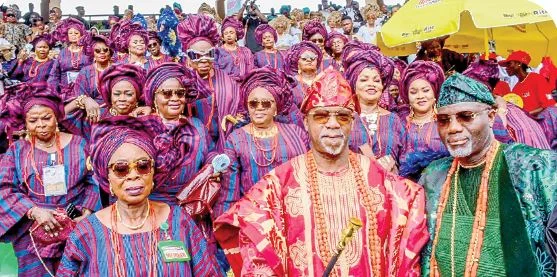
The ancient town of Ijebu-Ode in Ogun State came alive on May 29, 2026, as the Ojude Oba Festival took place. This festival, which means “the King’s Forecourt,” attracted thousands of participants, including dignitaries, celebrities, tourists, and culture lovers. It showcased the rich Yoruba heritage with age-grade processions, horse parades, and traditional fashion. TOFARATI IGE reports on the festival's impact and areas that need improvement.
This year’s festival was especially meaningful as it was the first since the death of the respected Awujale of Ijebuland, Oba Sikiru Adetona, in July 2025 after a long 65-year reign. A regent council led by Sonny Kuku, a doctor and socialite, received tributes on behalf of the late king. This added a heartfelt touch to the event, honouring his dedication to Ijebu culture.
The festival was full of glamour with age-grade groups in matching luxury attire. They wore richly woven aso-oke, embroidered agbadas, brocade, ankara, coral beads, and elaborate headpieces. Horse riders from prominent families paraded through the area with drums and cheers.
As usual, fashion took center stage on social media and news. Age-grade groups competed in style, organisation, and music.
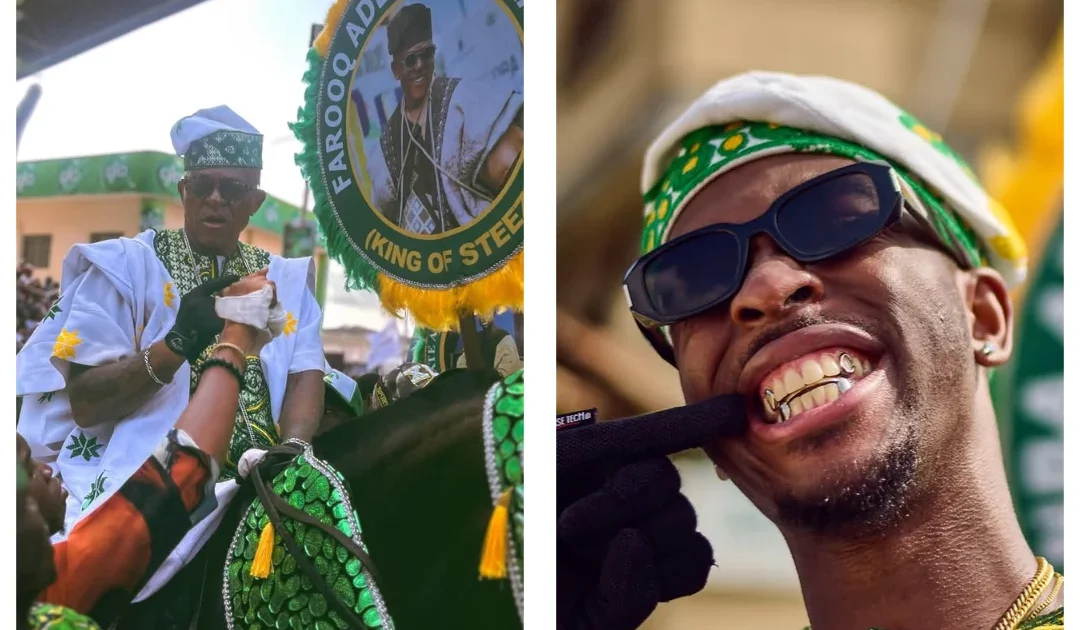
Notable figures included Farooq Oreagba, the Managing Director and CEO of NG Clearing Limited. He was called the “King of Steeze” and stood out on horseback in a white agbada with green embroidery. He also wore a black glove and had a cigar between his lips. In another outfit, he looked regal in a white and purple agbada with a matching cap.
Actor Rotimi Salami also caught eyes in a blue agbada that screamed “Yoruba prince.” He rode on horseback, looking regal with a staff that showcased both tradition and style. He mentioned that even though his father is from Lagos, his mother comes from a horse-riding family in Ijebu-Ode.
On his Instagram, he shared, “Dress like the drums will stop when you enter. Like the entire parade knows your name already. Carry yourself like the outfit is older than you. Like it belonged to men before you and will belong to men after you. Walk slowly. Let the embroidery speak first. Let the silence do the rest. #towoboladynasty.”
Actress Eniola Badmus made a striking entrance in a bright blue traditional outfit.
Veteran actor Ibrahim Chatta rode with the Balogun Adesoye family and delivered an impressive performance. Alongside Taiwo Hassan, also known as Ogogo, their display of horses and costumes was a significant highlight, especially for their family.
Other notable attendees included actors Jide Awobona, Femi Branch, Iya Rainbow, Dayo Amusa, Samuel Banks, and Akin Faminu.
The festival was not just about culture and glamour; it brought a robust economic boost to the local community. The event turned Ijebu-Ode into a busy commercial hub, attracting traders, artisans, and entrepreneurs. Local businesses saw increased patronage, leading to temporary jobs and new opportunities. This festival has become a strong driver of economic growth and community development.
There is no doubt that the festival generated substantial economic activity, boosting tourism and local businesses. Hotels were fully booked, businesses flourished, and artisans received support.
Tunde Faboro, an attendee, noted that many hotels were booked months before the festival.
Ogun State Governor Dapo Abiodun praised the festival for empowering youths and promoting tourism in the state. He said, “We are building a state that honours its heritage because culture is not only our identity but also a source of social cohesion and economic opportunity. This is why we have positioned Ojude-Oba as a flagship within our tourism development agenda. Today, the economic impact of the festival is visible everywhere as hotels are fully occupied, businesses are flourishing, artisans are engaged, and our youths are being productively empowered.”
Globacom celebrated 21 years of sponsoring the festival, offering cash prizes like N750,000 for the top regberegbe groups. Mike Adenuga, the company's Chairman, praised the festival for promoting unity and tourism.
Other sponsors included Cornerstone Insurance, Eagle Aromatic Schnapps, Rite Foods, Guinness Nigeria, FCMB, Maltina, and Goldberg.
Reports show that food and drinks vendors, souvenir sellers, horse renters, and transport operators benefited directly from the event. Indirectly, fashion designers, make-up artists, photographers, videographers, and content creators also gained from documenting the festival for social media.
In a recent interview, Rotimi Salami revealed he spent over N3 million on clothes and preparations for the event.
Reports suggest billions of naira usually flow into the local economy thanks to increased patronage and creative businesses. The Federal Government acknowledged this boost to local enterprises and is pushing for UNESCO recognition.
While the festival draws global attention, there have been criticisms about the organisers’ preparations, especially from the state government. Last year, many attendees complained about poor crowd control and bad roads leading to the venue, which affected the experience.
Some attendees noted that this year’s event was better organized than before.
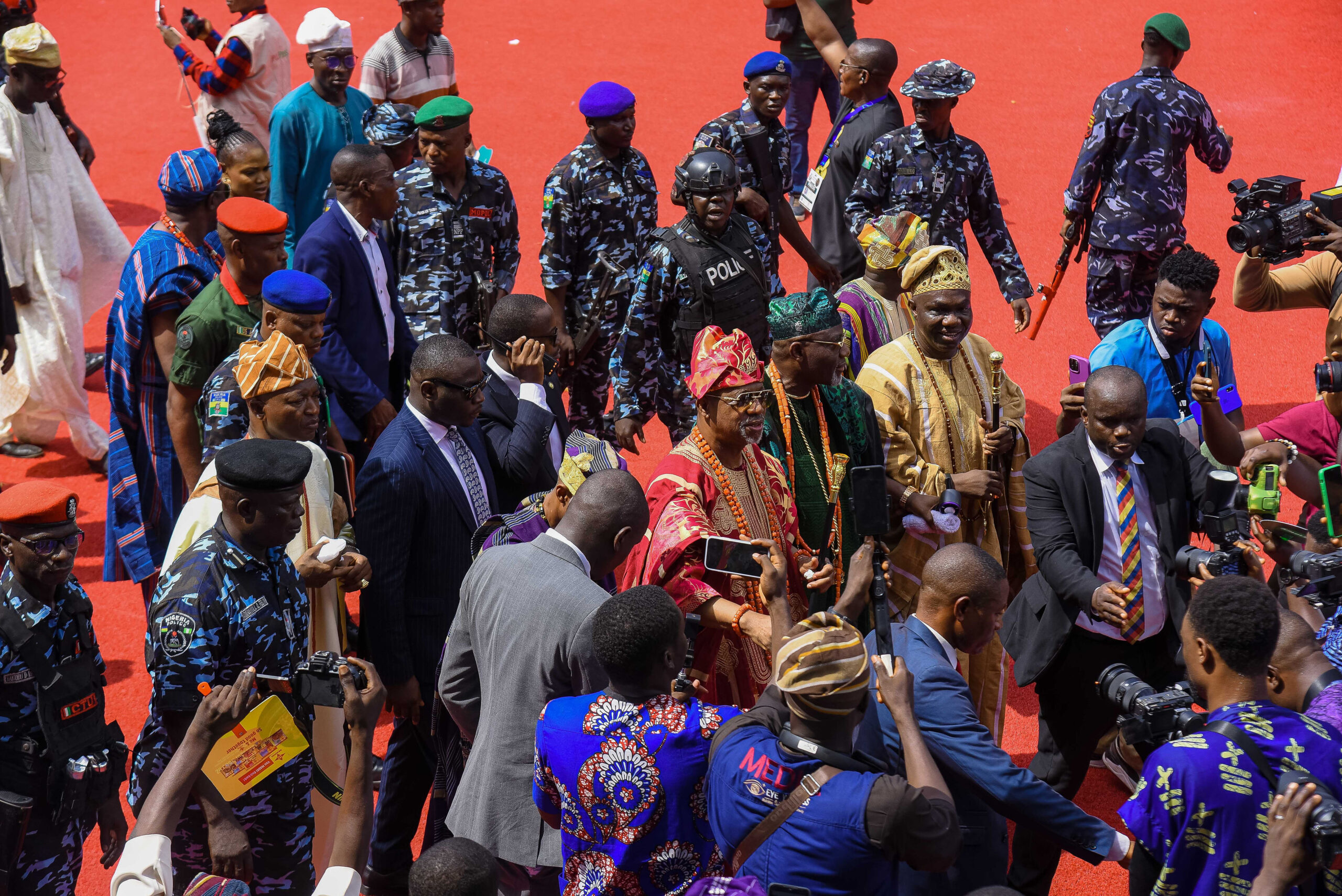
The Ogun State Police Command stated they deployed over 2,500 personnel to ensure crowd control, traffic management, and security. The event had a noticeable security presence, making the atmosphere feel energetic rather than chaotic. Some social media users still pointed out lingering issues like congestion and called for better logistics and a larger venue in future editions.
The festival took place amid national security concerns, including recent kidnappings in Oyo State. Some critics on social media questioned the timing and suggested cancelling the event.
Supporters argued that due to its annual timing linked to the Islamic calendar, planning for the festival started a year before, making a postponement difficult. Organisers highlighted the need to continue and honour traditions.
Some commentators felt the festival's popularity should have been used to address insecurity and call for the release of kidnapped children.
Ibrahim Chatta’s role with the Adesoye dynasty sparked discussions. Some critics online referred to high-profile participants as “mercenaries” for joining families they don’t belong to. They argued this undermines the festival's purpose, which is meant for true family members. However, some suggested his involvement was due to his expertise in horse management, as some horses were allegedly rented from him. Others felt that having people like him added colour to the festival, noting that culture is always changing.
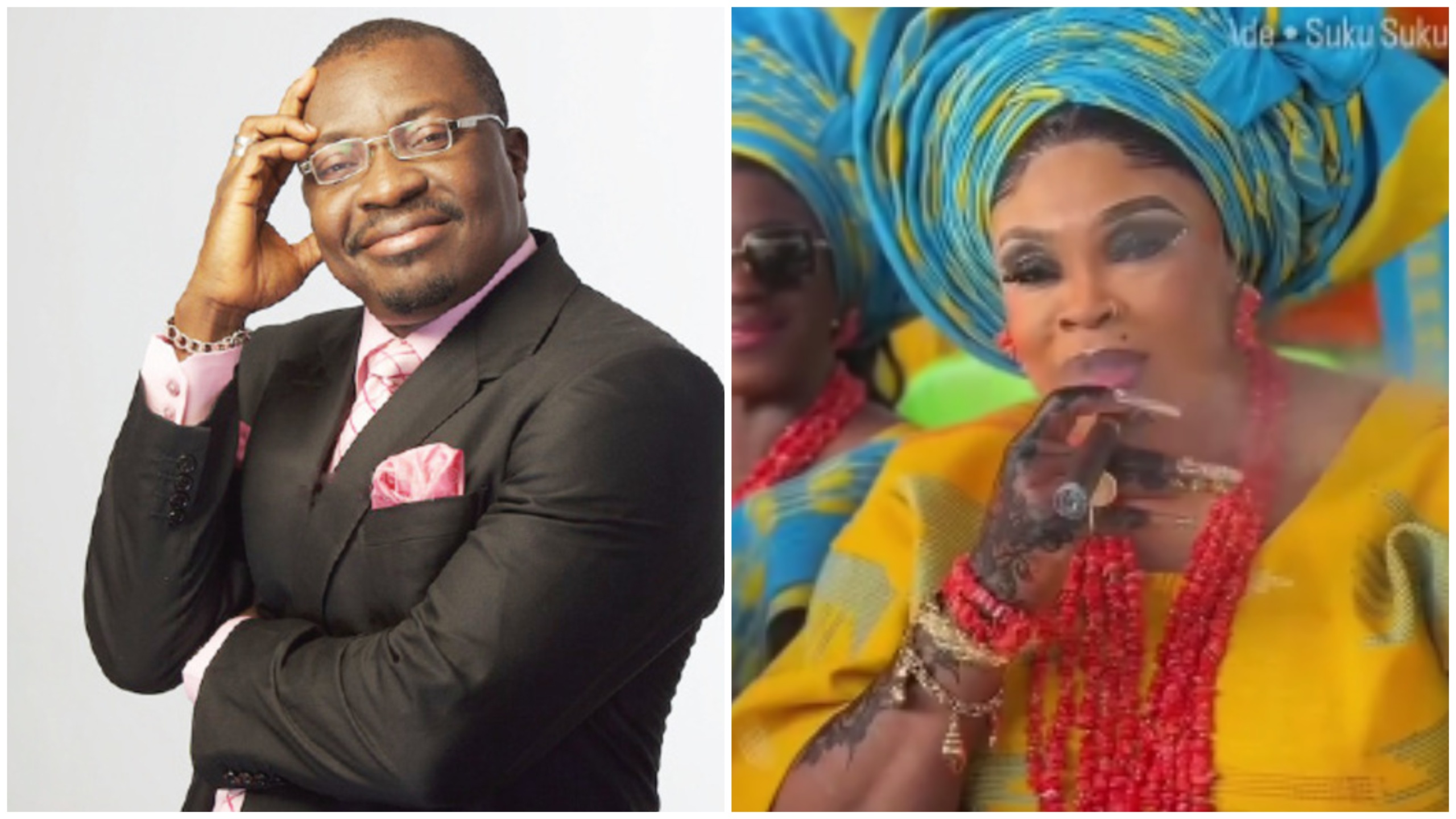
One viral image showed a woman in a yellow outfit, appearing to smoke a cigar. This sparked debates about her smoking in public.
The woman, Oluwatoyin Olushile, later clarified that it was not a traditional cigar but an electronic one. In a report by Premium Times, she explained, “Honestly, I’ve never smoked in my life. What I held that day is called an electric cigar, and what is inside is vapour. No smell. No nothing. People don’t understand what it is. That electric cigar is made in the USA by my friend. I’m not a smoker. I know people are criticising me. They are judging a book by its cover. I’m a very good person. I’m very intelligent, and I’m a very educated woman.”
Many observers noted that criticism of Olushile was hypocritical, as Farooq Oreagba was celebrated for smoking a cigar at the festival.
The 2026 Ojude Oba Festival solidified its reputation as one of Nigeria’s top cultural events. It combined glamour, economic vitality, and community pride, despite its challenges. The festival celebrated legacy while showing how traditions evolve. There are calls for UNESCO to recognize it as a major cultural event that connects generations and highlights Ijebu heritage globally.

Drop your comment
No comments yet — be the first to drop the gist 👇