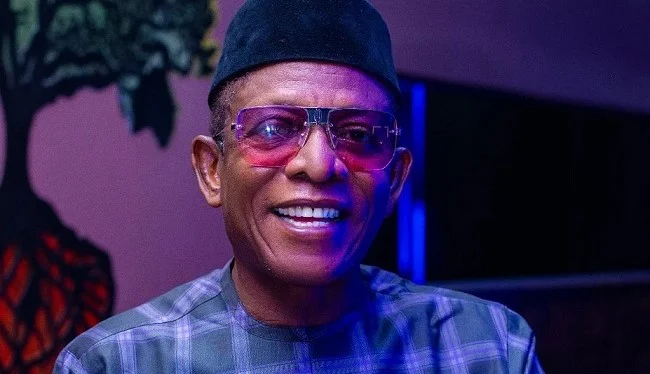
Veteran Nollywood actor Nkem Owoh, known as Osuofia, has cleared up his comments on where Nigeria’s home video industry began. He insists that Yoruba filmmakers were the first to create home video, not Nollywood.
Osuofia shared his thoughts during an interview on Curiosity Made Me Ask, hosted by comedian Adebayo Abidemi, also known as Bae U.
The interview was posted on the host’s YouTube channel on Saturday. During the chat, the actor replied to a question about his supposed claim that Yoruba people started Nollywood instead of the Igbo.
These comments came after the late Nollywood actor Francis Duru stirred discussions in August 2026. Duru said the Igbo built Nollywood, but the Yoruba community became more influential because they know how to organise and promote their work.
Duru, who passed away in October, noted that Igbo entrepreneurs mainly drove the modern Nollywood home video industry in the 1990s and early 2000s.
At that time, Osuofia reportedly rejected Duru's claim. He pointed out that Yoruba people were already active in filmmaking, theatre and stage performances long before the Igbo-led home video boom in the 1990s.
Osuofia firmly denied that Yoruba people started Nollywood. He explained that the name Nollywood did not exist when he and other filmmakers were making films. The name came later after discussions among people in the industry.
He said, “First of all, you have given me this wrong accusation that I said, Yoruba started Nollywood. No. Yoruba started this film on…when did Nollywood come out? When we started the thing, there was no Nollywood as a name. We sat together and we’re banding, you know, ideas and all that, how the thing is going to come to fruition. And eventually, we chose Nollywood.”
Osuofia did give credit to Yoruba filmmakers like Hubert Ogunde and Adebayo for making home video popular in Nigeria.


He said, “So, Yoruba started the thing. They made the thing very popular home video and all that. Yes, they did. And I’ve said it several. Okay. Ogunde and Adebayo Papa. These are the people I love to watch their thing.”
When the interviewer jokingly said that Ogunde was Igbo, Osuofia quickly disagreed. He insisted that Ogunde was Yoruba.
“Ogunde is not Igbo. I’m telling you that Yoruba started it. When Ogunde was out, I don’t think there was any Igbo man who was that popular in that,” he said.
He also explained the difference between where Nollywood came from and the home video tradition. He said, “The Yoruba did not start Nollywood. They started home video.”
Osuofia’s remarks come amid ongoing debates about the different ethnic groups' roles in Nigerian cinema.
Historical records show that Yoruba travelling theatre groups, led by people like Hubert Ogunde and Duro Ladipo, moved from stage performances to early film and video productions before the 1990s boom.
The rise of the direct-to-video market is often linked to the 1992 Igbo-language hit Living in Bondage, produced by Kenneth Nnebue. This film helped popularise the format that later became known worldwide as Nollywood. The term “Nollywood” was created years later.



Drop your comment
No comments yet — be the first to drop the gist 👇