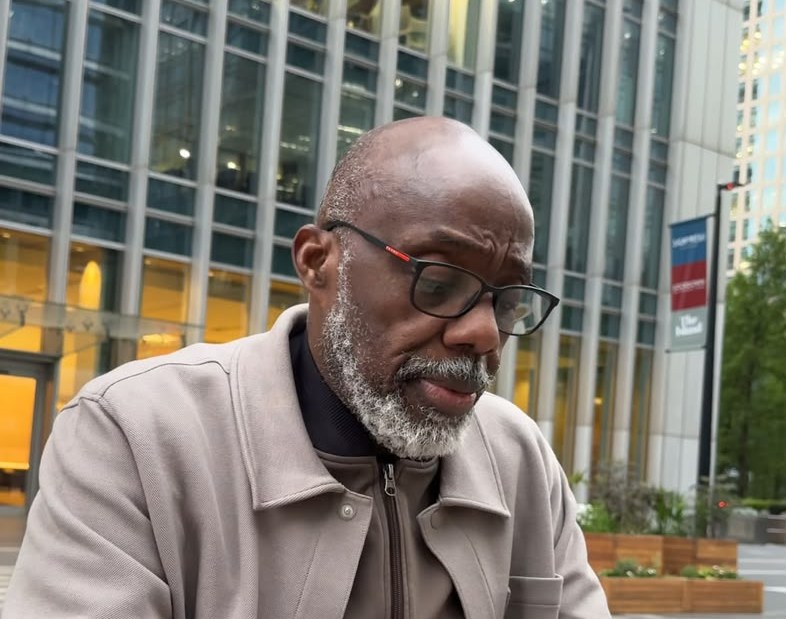
Sunrise Power and Transmission Company Ltd (Sunrise) is defending itself against claims of bribing Nigerian government officials. They tried to present these payments as part of “Nigerian culture,” according to details from the ICC Tribunal award seen by PREMIUM TIMES.
Nigeria argues that payments made by Leno Adesanya, the main promoter of Sunrise, to key public figures are bribes. The country says these payments aimed to corrupt officials and influence contract awards.
Sunrise Power and Transmission Company Ltd shared its defense through Sope Williams, an expert witness. Williams is a professor and anti-corruption specialist. She said the facts behind Nigeria's corruption claims should be viewed in the context of Nigerian culture.
"Cultural differences exist […] and are relevant to the understanding of the transactions," Williams was quoted as saying in the 616-page award document.
Ebenezer Obadare, a senior fellow for Africa studies at the Council on Foreign Relations, disagreed. He is an expert for Nigeria in the arbitration. He said that using culture as a reason for corrupt actions is not allowed under Nigerian law. The Nigerian team pointed to Section 60 of the Corrupt Practices and Other Related Offences Act, 2000. This section states that evidence showing a gratification is “customary” cannot be accepted in court.
Obadare argued that Nigerian culture cannot justify bribery or corruption.
In its ruling, the tribunal noted that Nigeria highlighted that Sunrise’s expert witness, Williams, “confirmed that corruption is ‘endemic’ and ‘a big problem’ in Nigeria.” She agreed with Nigeria’s expert, Dr. Obadare, that culture cannot justify acts of bribery or corruption.
The tribunal said, “According to Nigeria, Prof. Williams testified on matters that go beyond her expertise as an anti-corruption expert.” They argued that evidence based on cultural customs is not a valid defense for corrupt actions involving public officials in Nigeria.
The ICC award also mentioned that Adesanya and Sunrise wanted to dismiss Obadare’s evidence as irrelevant. But the tribunal did not agree with them.
“The Tribunal is not satisfied that his evidence should be dismissed as irrelevant,” the Tribunal stated. They recognized that Prof. Williams’ evidence is that Nigeria's corruption claims must be seen in the context of Nigerian culture. But Dr. Obadare’s evidence is that culture cannot justify bribery and corruption.
The tribunal looked at specific transactions and found that these payments raised serious concerns about corruption that culture cannot excuse.
The document stated, “To conclude with respect to the corruption allegations in relation to the GPEA and the associated Terms of Settlement of the Nigerian Court Litigation about the alleged award of a BOT contract to Sunrise in 2003.” They said that the alleged bribe payments “do raise serious red flags that cannot be neutralised by other evidence on the record of this arbitration.”
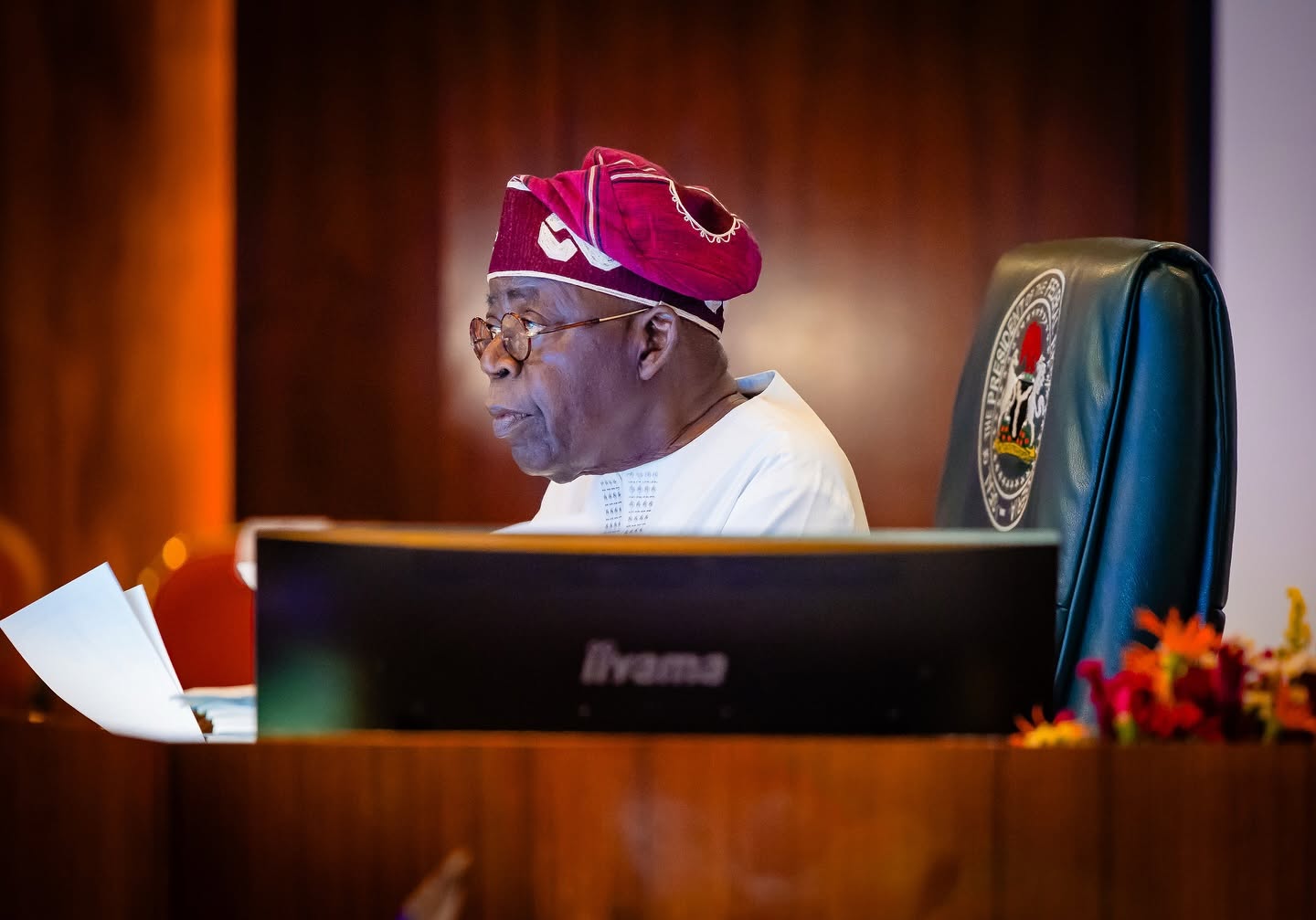
Some of the suspicious payments made by Sunrise and Adesanya include a payment on 23 November 2015 of N10 million to Abdullahi Yola. Yola was the Solicitor-General of the Ministry of Justice and helped negotiate the General Project Execution Agreement (GPEA) and the Terms of Settlement in 2012.
Other notable payments include three payments totaling N25 million to the son of Dere Awosika, who was the Permanent Secretary of the Ministry of Steel and Power during the GPEA negotiations in 2012. Another suspicious payment was $1.74 million made on 16 December 2014 to the son of Sambo Dasuki, the National Security Advisor when the GPEA was negotiated.
Also, a payment of $500,000 was made by Adesanya to Jennifer Douglas Abubakar, the ex-wife of former Vice President Atiku Abubakar, in 2003. Adesanya claimed it was a foreign exchange transaction. But the tribunal said the circumstances raised “significant red flags.” They found no evidence that Atiku used his position to help Sunrise Power secure the Mambilla contract.
Another payment was made to Olu Agunloye, a former minister of Power and Steel, who claimed it was for “medical expenses.”
On Thursday, an award was given in favor of Nigeria by an International Arbitration Tribunal under the ICC in Paris. They rejected Sunrise's claims in the arbitration.
Sunrise had demanded $680 million from Nigeria, claiming over $2.7 billion in compensation and interest related to the 3,960 MW Mambila Hydroelectric Power Project in Taraba State.
The tribunal ordered Sunrise and Adesanya to pay Nigeria’s legal fees of $11.8 million. They also rejected Sunrise’s claim that Nigeria should pay $400 million related to the settlement sum of $200 million and the default amount of $200 million.
The tribunal insisted that Adesanya must follow the arbitration agreement with Nigeria. They also noted that they have the right to handle Nigeria’s counterclaim against him and his company.
On Sunday, sources told this newspaper that the Economic and Financial Crimes Commission (EFCC) has started investigating those linked to the alleged shady deals with Adesanya and Sunrise Power. The tribunal’s award named many Nigerian politicians and public officials as having dealings with Adesanya, some of which the tribunal found questionable.
Those mentioned include Atiku Abubakar, his ex-wife Jennifer Douglas, Abubakar Malami, Olu Agunloye, Sambo Dasuki, his son Abubakar Dasuki, Abdullahi Yola, and Dere Awosika.
Atiku has denied any wrongdoing and said he did not award the contract. But he has not addressed other issues raised in the ruling. Already, Malami and Agunloye are facing trial by the anti-corruption agency on charges related to this deal.
Drop your comment
No comments yet — be the first to drop the gist 👇