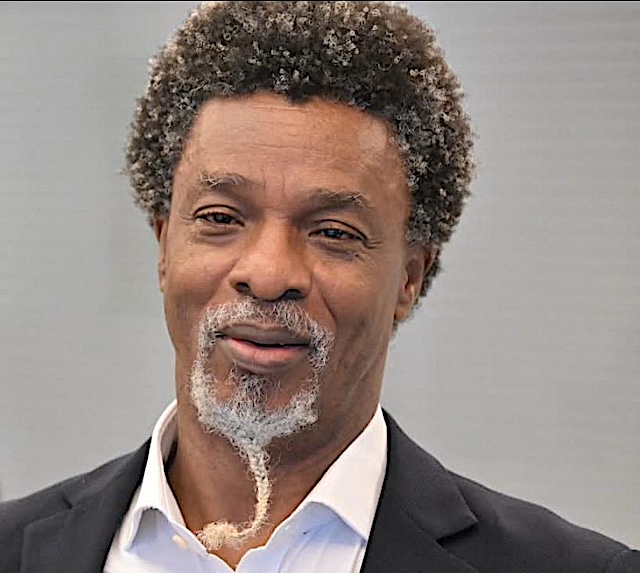
The Berlin Conference was not good for Africa. No matter where you look, this is clear. What went down there? In the late 19th century, European countries were competing for influence and trade in Africa. To avoid chaos, Otto von Bismarck, the first chancellor of Germany from 1871 to 1890, called a meeting of 13 leading European nations and the United States. From November 15, 1884, to February 26, 1885, they set rules that sped up the colonization of Africa.
The conference had many problems. It did not make sense to hold a meeting about Africa without any African representatives. This meant the decisions made were always going to hurt the continent. There were two main outcomes of the conference that have long-lasting effects today. First, the extraction of resources and their export caused deep economic, social, and political scars on the continent that we still see today.
Next, the way colonial borders were drawn continues to harm Africa. By ignoring existing kingdoms, ethnic groups, and trade networks, this process disrupted established systems. This underdevelopment of institutions has slowed Africa’s progress after colonial rule. Many experts agree that Africa’s challenges today come from the fact that its countries are ‘artificial colonial constructs’, with tribes often living closely but uneasily together.
This belief can lead to the idea that every nation should have its own state, and each state should only include one nation. This idea supports the Marxist-Leninist view of nations having the right to self-determination. Activists in Ethiopia during the 1960s and 1970s talked about “self-determination up to and including secession.” But we must ask if the idea of a pure nation-state exists anywhere in the world. It does not, even in those European countries that caused this problem.
Was Europe greedy in its dealings with Africa? Yes. This led to Africa being divided into many countries that often have little in common. This greed, and some say fear, caused centuries of wars, marriages, conquests, and treaties that shaped Europe’s borders. In this way, European countries like Spain, the UK, France, and Belgium are also “artificial military constructs,” with tribes living side by side uncomfortably.
Take the “Troubles” in the UK or the “Anschluss” in 1938 when Germany invaded Czechoslovakia to take Sudetenland. These were tribal conflicts at their core. The First and Second World Wars were also sad results of Europe’s changing borders. If we cannot find a country that thrives because it has a homogenous population, we can at least say that multi-ethnic states are not the burden that experts on Africa claim they are.
Does it help to note another fact? Modern European nationalism grew in the 19th century after borders were already set. Governments worked to create a stronger sense of unity by standardizing languages and histories within already defined territories. If Africa is struggling, it is not because of its diversity. It is because its countries have not built shared institutions and identities. Without a common identity among its people, we will keep facing challenges in forming strong nations.

Drop your comment
No comments yet — be the first to drop the gist 👇