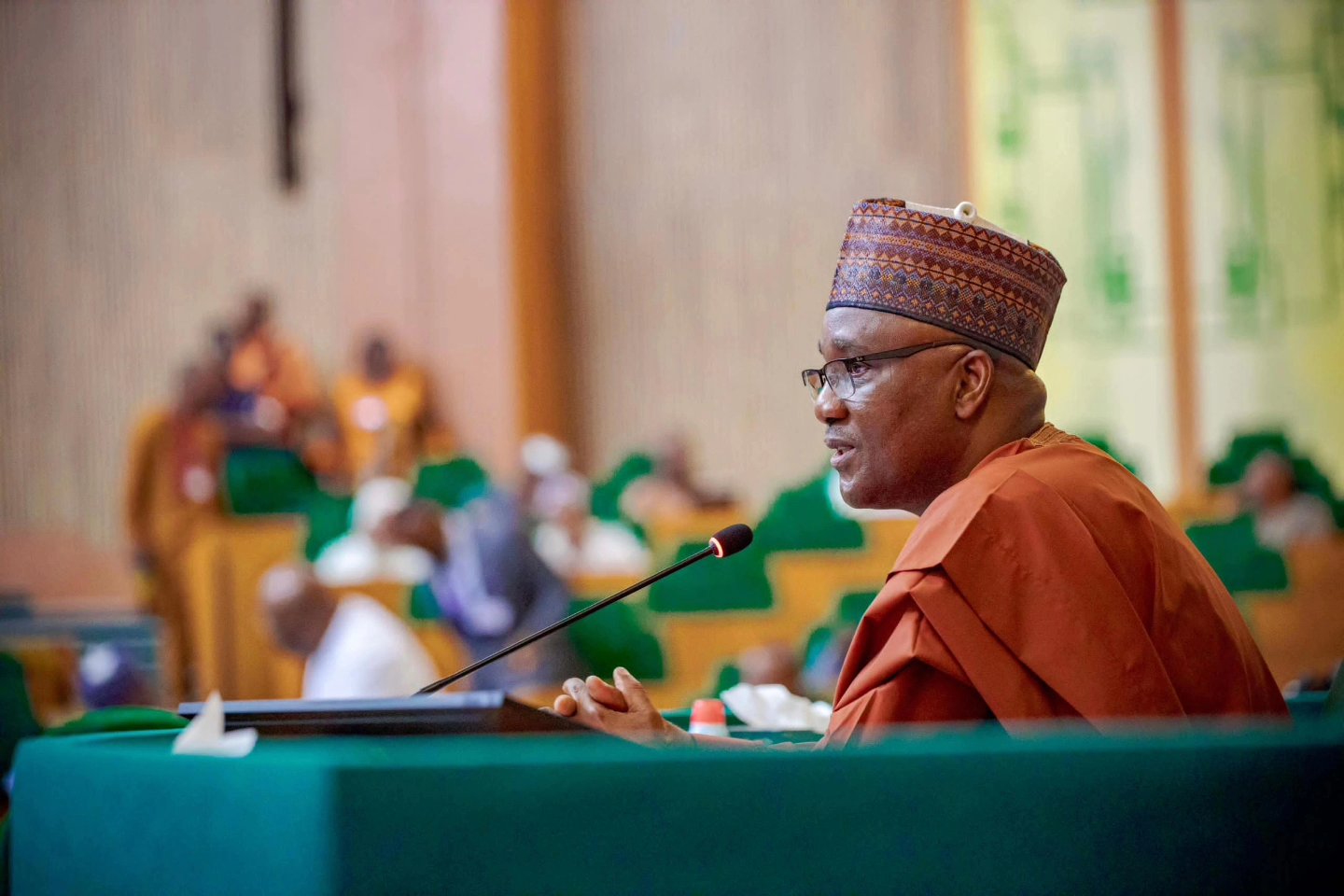
Three years after it started, the 10th House of Representatives has become one of the most active and controversial legislative bodies in Nigeria's history.
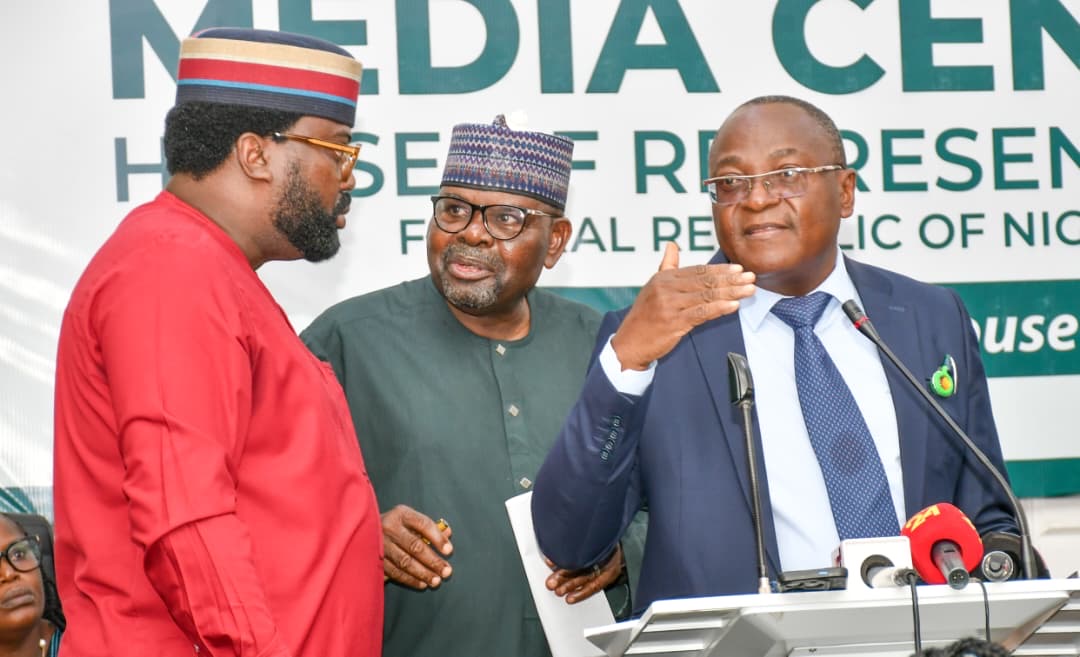
Led by Speaker Abbas Tajudeen and Deputy Speaker Benjamin Kalu, the 360-member House began its work on June 13, 2023, promising to improve legislative reforms, strengthen oversight of the executive, and address citizens' concerns.
Since then, lawmakers have worked on thousands of bills, made efforts to amend the constitution, approved significant economic reforms, and positioned themselves at the center of national discussions on security, taxation, and governance.
Still, this period has seen fierce political fights, claims of legislative misconduct, defections that changed the power balance in the House, and ongoing accusations that lawmakers have not always acted independently from the executive. As the House celebrates its third anniversary, its record shows a complicated picture of a parliament trying to improve governance while facing questions about transparency and public trust.
Inauguration to Consolidation
The political scene when the 10th House was inaugurated was quite different from past assemblies. The ruling All Progressives Congress (APC) had a strong majority, while the Peoples Democratic Party (PDP) became the main opposition party.
Other opposition groups, like the Labour Party (LP), New Nigeria Peoples Party (NNPP), and others, made up a significant minority. Unlike past assemblies where party divisions led to deadlocks, the Tajudeen-led House aimed for a more inclusive approach through an Eight-Point Legislative Agenda. This agenda focused on good governance, national security, economic growth, and more.
The leadership presented this agenda as a way to promote agreement in a divided political environment.
Legislative Productivity
Beyond political activities, the 10th House has aimed to show its worth through significant legislative output. According to its leadership, in the first three years, lawmakers introduced 2,747 bills, with 363 passing all legislative stages. This included 89 in the first session, 148 in the second, and 126 in the third.
Of these bills, 57 were Executive bills, 95 were concurrence bills from the Senate, and 2,595 were private members' bills. The House discussed 220 motions, with 192 sent to standing committees and 28 to ad hoc committees. They also dealt with 121 motions of urgent public importance and 48 public petitions from citizens and organizations.
Notable laws passed include the Tax Reform Bills, the Student Loan (Access to Higher Education) Amendment Bill, the National Minimum Wage Bill, and others. Many of these bills were part of President Bola Tinubu's economic agenda. Parliamentary records show that Deputy Speaker Benjamin Kalu was the most active bill sponsor.
Constitution Review and Electoral Reforms
In addition to regular lawmaking, the constitutional amendment process has been a major task for the House under Kalu, who leads the House Committee on Constitution Review. These reforms aim to fix long-standing governance issues.
Kalu expressed hope that the amendment process would finish in time for key reforms before the 2027 elections. The committee held public hearings across the six geopolitical zones and collected numerous suggestions from citizens and groups.
Proposals included electoral reforms, local government autonomy, and security sector reforms. One significant proposal is the establishment of state police, allowing states to manage their police systems while keeping federal oversight.
Supporters believe this reform would improve responses to crime, while critics worry it could be misused by state governors.
While the House has made progress on many proposals, some, like the reserved seats for women, are still in progress, showing the challenge of constitutional amendments, as they need approval from two-thirds of both chambers and support from at least 24 state Houses.
Other Special Interventions
The House has also tackled insecurity, a major national problem, by holding a National Dialogue on State Policing. It brought together lawmakers, security agencies, traditional leaders, and civil society to discuss security reforms.
One key action was a resolution with 54 recommendations covering intelligence gathering, military operations, and community security plans.
Composition of the House
The political makeup of the House has changed since its inauguration in June 2023. The APC started with 178 seats, while the PDP had 115. The Labour Party had 35, and other smaller parties held fewer seats.
Defections and court rulings altered the House's composition. Notably, court decisions removed several Plateau State lawmakers elected on the PDP ticket, leading to by-elections and shifts in party strength. The most significant change came from a wave of defections during the third year.
The PDP, once the main opposition, saw its ranks shrink as members moved to other parties amid leadership issues. The formation of the Nigeria Democratic Congress (NDC) further shifted political dynamics ahead of the 2027 elections.
By the third anniversary, the APC had gained more seats from defections while the opposition faced a decline, raising worries about a weaker legislative opposition.
Leadership Stability and Minority Leadership Changes
The 10th House has mostly maintained stability, with Speaker Tajudeen and Deputy Kalu keeping their roles. But the minority caucus faced challenges. After Kingsley Chinda left the PDP for the APC, a contest for minority leader arose, splitting opposition lawmakers.
The House announced a new minority leadership team, with Fred Agbedi (PDP, Bayelsa) as minority leader, Abdulsamad Dasuki (ADC, Sokoto) as deputy minority leader, and Mansur Soro (APM, Bauchi) as minority whip. This reshuffle changed the opposition leadership and several standing committees.
Committee Reshuffle
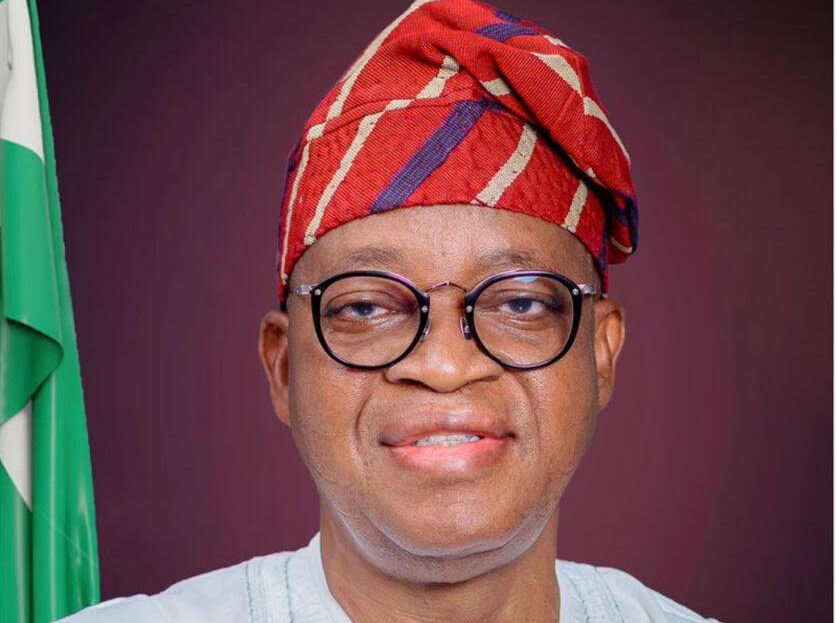
In 2024, the House made minor changes to its 134 standing committees, set up the previous year. Abdulmumin Jibrin moved from the foreign affairs committee to chair the housing and habitat committee. Osun lawmaker Oluwole Oke took over the foreign affairs committee, while Mamudu Abdullahi led the judiciary committee.
Speaker Tajudeen also appointed Aminu Balele from Katsina to chair the committee on the army. The APC held most chairmanship positions, with 80 chairs to the PDP's 39 and smaller numbers from other parties.
Controversies
Despite its achievements, the House has faced controversies that sometimes overshadowed its work. Over the past three years, various issues sparked heated debates, occasionally leading to rowdy sessions.
One hot topic was the minority leadership, with claims of forgery regarding Chinda's replacement. Another issue arose over President Tinubu's tax reforms, with allegations that published versions of tax laws differed from what the National Assembly passed, prompting a House investigation.
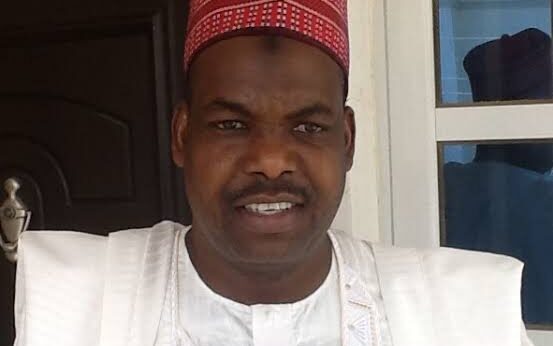
The House also faced accusations from APC lawmaker Ibrahim Auyo, who claimed lawmakers paid bribes to process bills. The leadership rejected these claims, calling them unfounded and inconsistent with parliamentary rules, leading to demands for transparency.
Tensions also flared over the approval of an emergency rule in Rivers State, leading to shouting matches among lawmakers. Disagreements over budget allocations and constituency projects added fuel to ongoing debates about transparency and accountability.
Moments of Grief
The House mourned the passing of several members, including Deputy Chief Whip Oriyomi Onanuga and others from various states. Their deaths created vacancies and led to bye-elections, with tributes flowing in from lawmakers who remembered them as dedicated public servants.
These valedictory sessions showed rare moments of unity in a typically divided political landscape.
Differing Assessments
Views on the House's performance differ widely. Philip Agbese, the House's deputy spokesperson, claimed the 10th session has set itself apart with significant legislative productivity and citizen engagement.
He stated that the House introduced over 2,200 bills, passed many into law, and conducted numerous committee meetings and oversight visits. He highlighted important laws, including the Student Loan Act and tax reforms, as proof of the House's impact.
Agbese also defended the pace of constitutional amendments, emphasizing that reforms like the Reserved Seats for Women Bill require extensive approval processes.
In contrast, civil society groups voiced caution. Auwal Rafsanjani, from the Civil Society Legislative Advocacy Centre, acknowledged the House's productivity but argued that success should be measured by the quality and impact of legislation, not just quantity.
He pointed out that many oversight hearings have not led to meaningful changes and urged the House to improve its role in checking executive power and enhancing transparency.
Verdict at Three Years
Three years into its term, the 10th House of Representatives shows a mix of energy and controversy. It has been productive yet often criticized, reform-minded but accused of lacking independence from the executive.
As lawmakers approach the 2027 elections, the key question is not if the House has been active, but whether its actions will lead to lasting changes and improvements in governance. The answer could shape how the 10th House of Representatives is remembered in history.

Drop your comment
No comments yet — be the first to drop the gist 👇