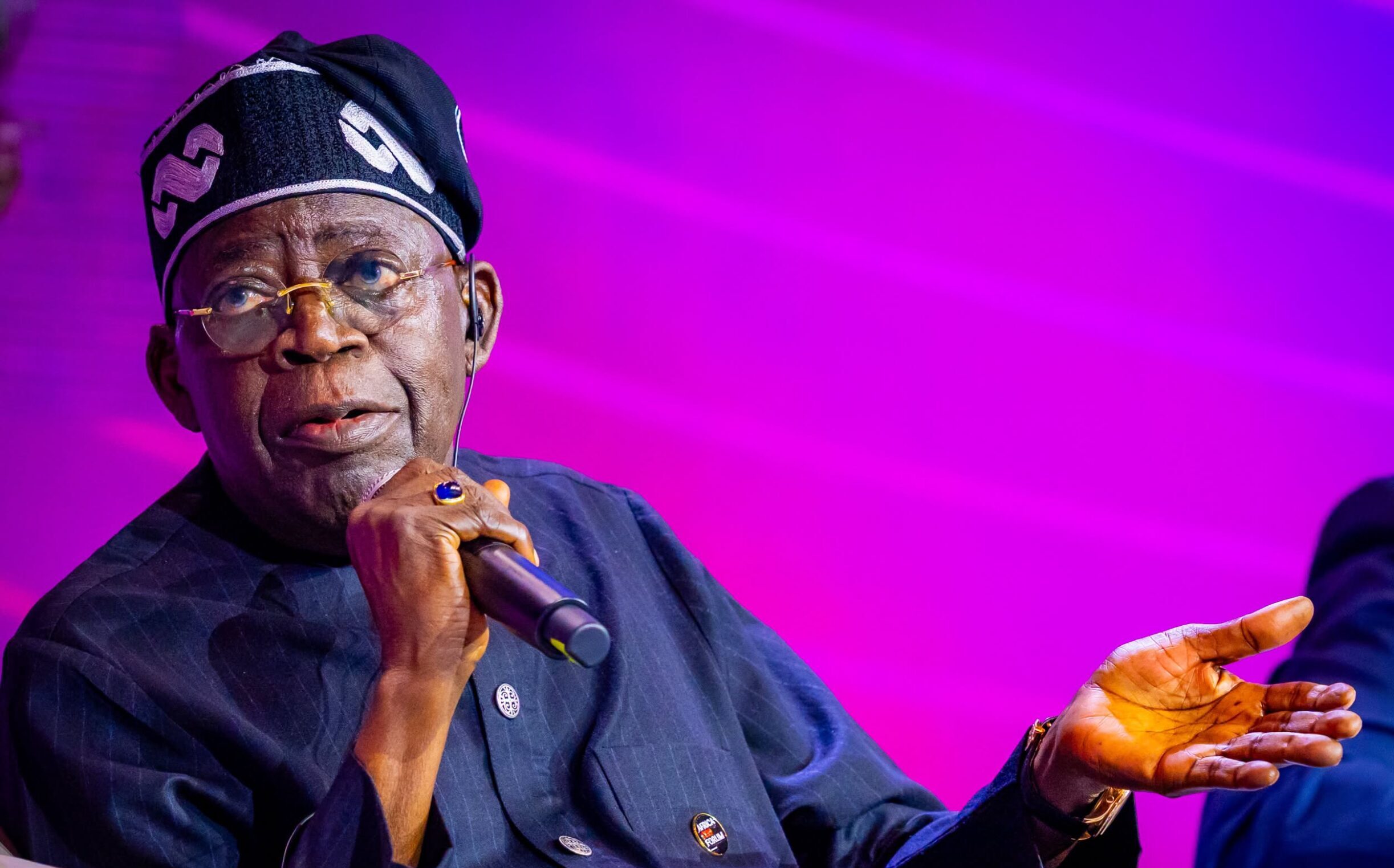
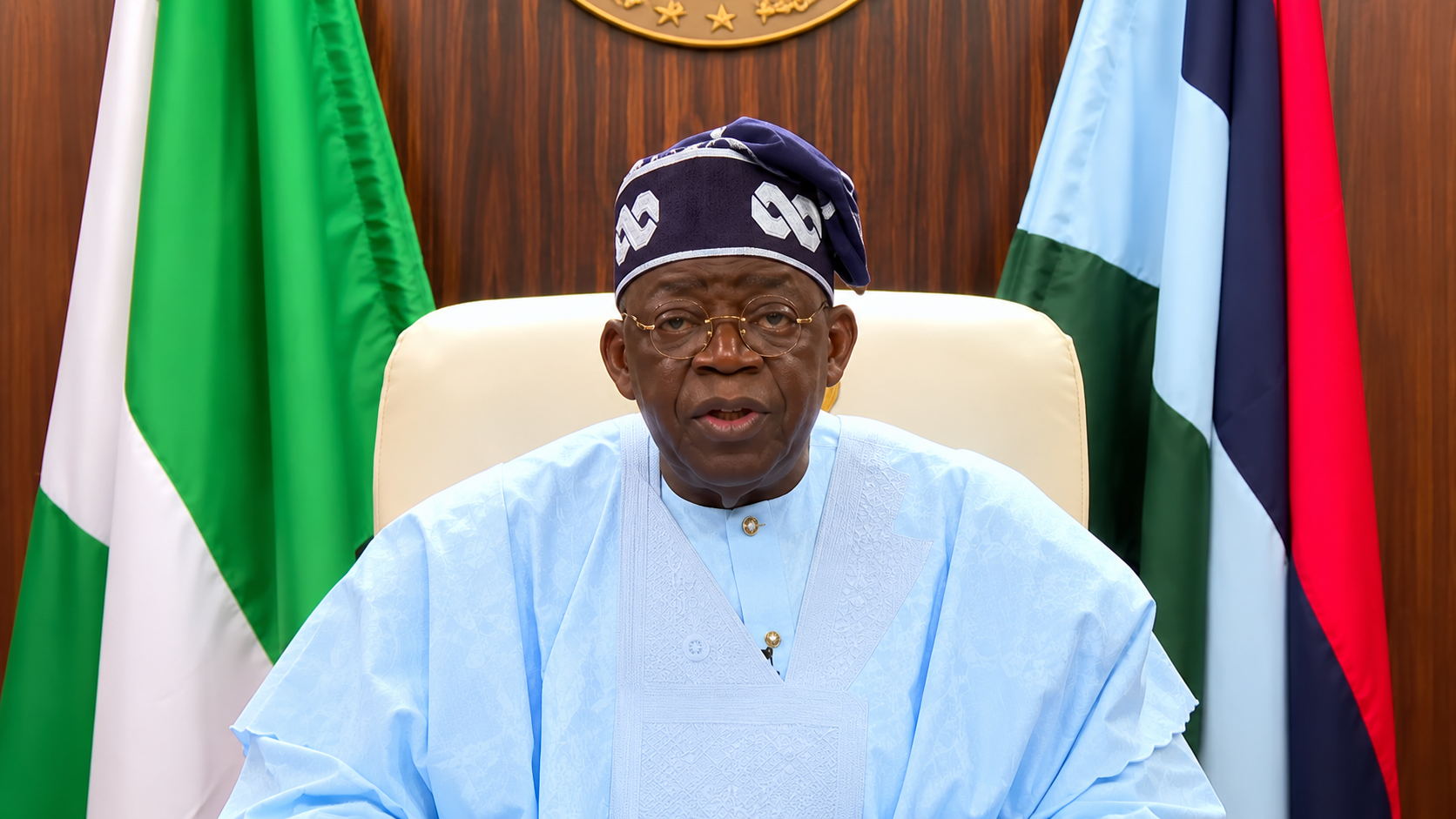
President Bola Tinubu says Nigeria is cutting down on its dependence on oil money. His government is working to diversify the economy and bring in more investment in other areas.
He noted that the government will keep developing the oil industry but will use its profits to support other economic activities instead of relying on oil as the main source of growth.
The President spoke through Vice President Kashim Shettima on Tuesday in Abuja during the fifth anniversary of the Nigerian Upstream Petroleum Regulatory Commission (NUPRC).
"We have already reduced our dependence on oil revenue, and we intend to go further," President Tinubu said.
The government's plan focuses on agriculture, manufacturing, and digital and creative industries. The oil and gas sector will still provide energy, foreign exchange, and revenue for Nigeria.
This statement comes as the government tries to increase oil production, improve revenue collection, and attract more investment in the oil sector.
In February, President Tinubu signed an order that requires oil and gas revenues for the Federation to go straight into the Federation Account. This order also ended some deductions that were taken by NNPC Limited, including a 30 percent management fee on profit oil and gas.
Despite the government's effort to rely less on oil, it still plays a big part in public revenue and foreign exchange. The oil sector has been facing problems like changes in crude production, oil prices, and security issues.
PREMIUM TIMES reported in March that oil and gas revenue collections were much lower than expected in the first two months of 2026. While N937.10 billion was planned as oil and gas revenue for that time, the actual amount collected was only N137.41 billion.
President Tinubu said better security and teamwork among oil producers, local communities, security agencies, and the NUPRC have helped stabilize oil production. He added that these efforts have attracted investors who had previously left Nigeria, making the country the top destination for upstream investment in Africa for two years in a row.
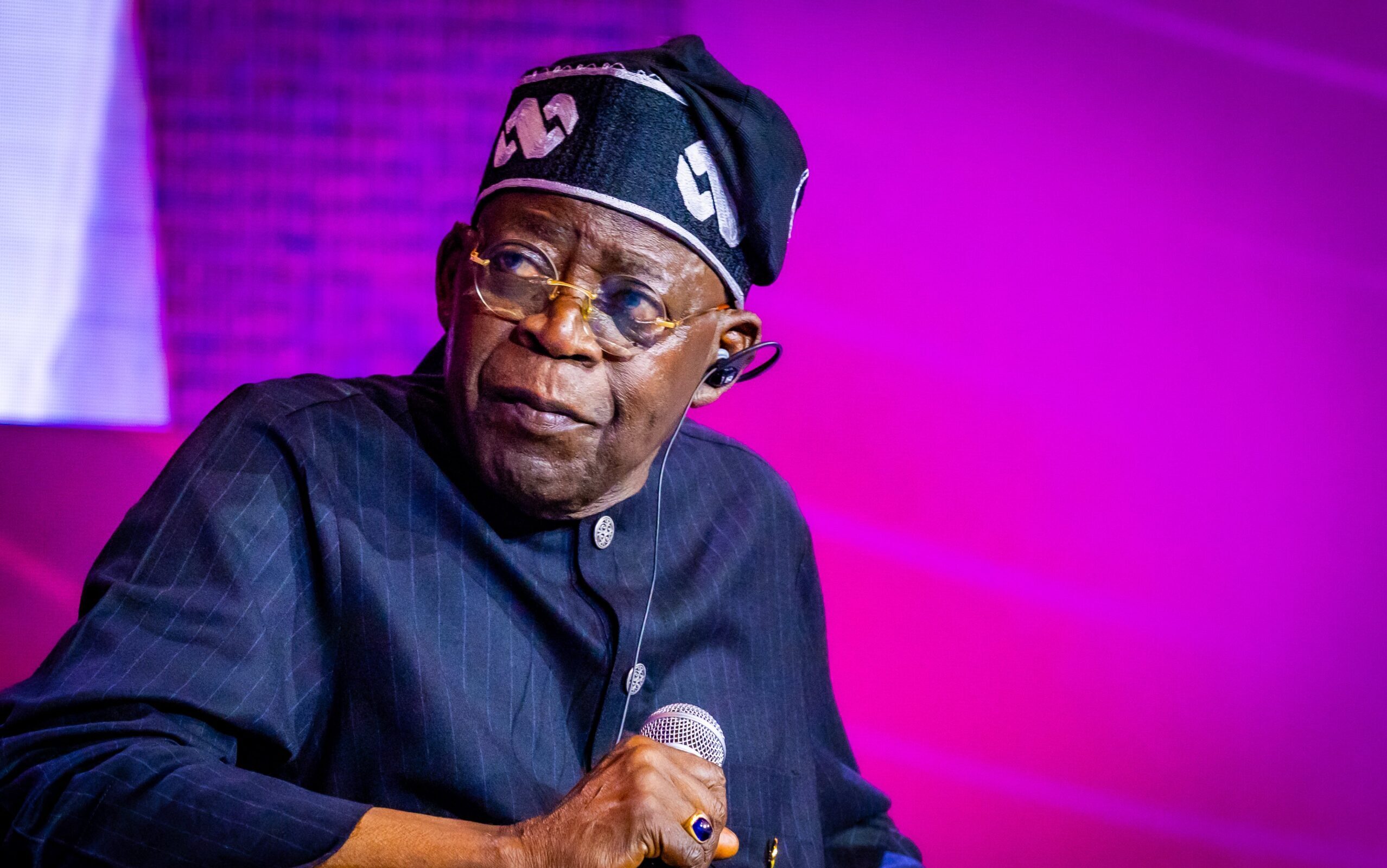
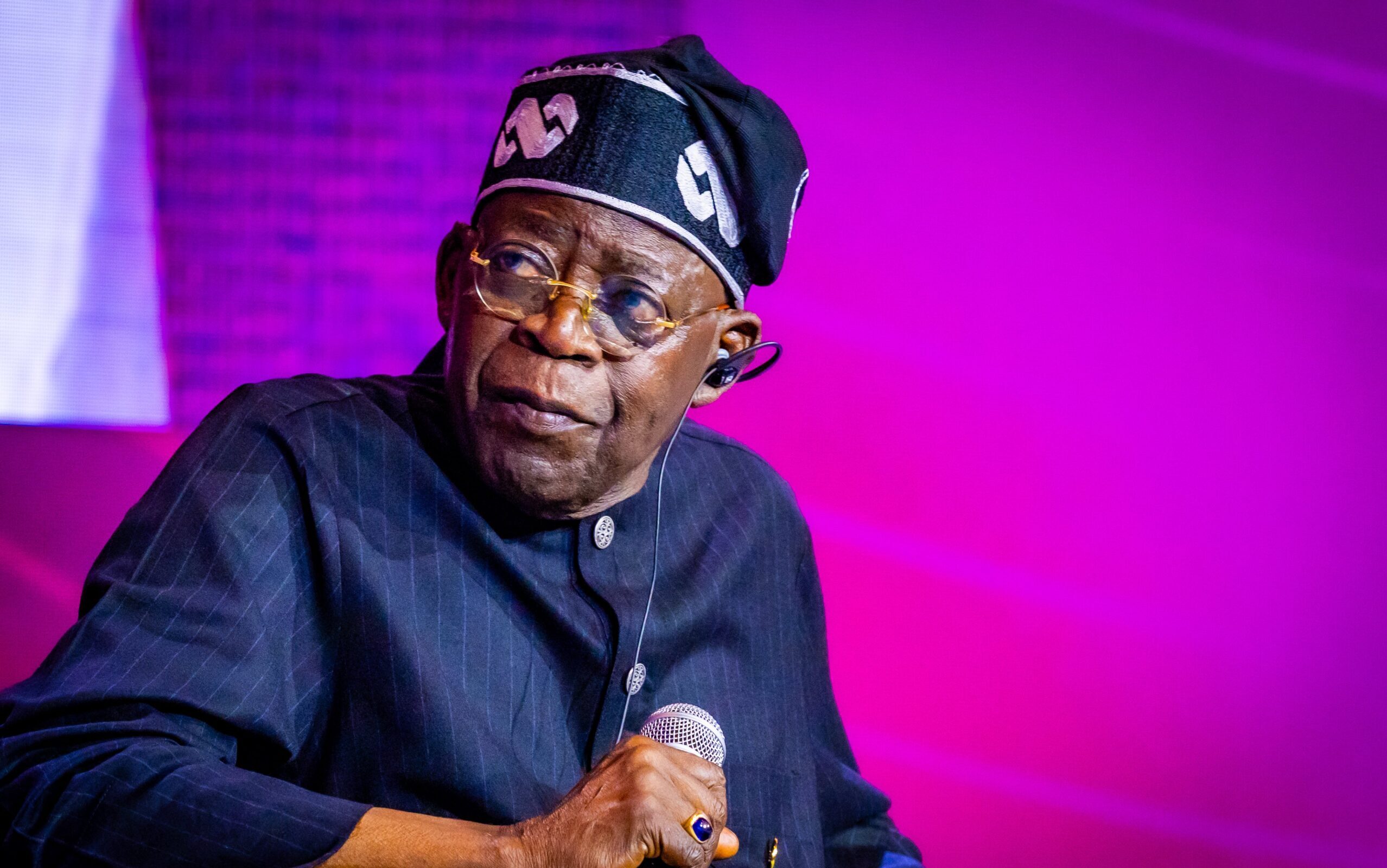
The Minister of State for Petroleum Resources, Heineken Lokpobiri, said Nigeria currently produces about 1.7 million barrels of crude oil each day and has over 37 billion barrels of oil reserves. He mentioned that more investment, new licensing, and increased exploration are needed to tap into Nigeria's oil resources.
The NUPRC has reported a rise in investment activity in the upstream sector. In August, they said they had approved over $57 billion in Field Development Plans since 2024. There are 22 major offshore projects expected to start between 2026 and 2030, which are projected to bring in between $30 billion and $50 billion in investment.
Nigeria's oil and condensate reserves were at 37.01 billion barrels as of January 2026, while gas reserves rose to 215.19 trillion cubic feet, according to NUPRC data.
President Tinubu said gas will be key to the government's energy plan, calling the coming years a decade of gas. "With the largest gas reserves in Africa, we will improve gas supply for power, industry, and clean cooking, reduce flaring and methane emissions, and grow renewable energy alongside it," he said.
He added that the government will focus on an energy transition that fits Nigeria's needs, saying the country should meet its climate goals without losing energy access and economic growth.
He also pointed out that a stronger oil industry could create jobs for Nigerian engineers, fabricators, and oilfield service companies. The President said the Petroleum Industry Act has laid the groundwork for reforms in the sector but stressed that laws alone won't ensure investment.
He noted that investors have raised concerns about high costs, long contracting processes, and uncertainty over fiscal terms for complex projects. He urged the NUPRC to keep clear regulatory processes, provide reliable timelines, and work with other government bodies to avoid overlapping requirements.
The President also said that companies benefiting from government incentives must fulfill their duties regarding work programs, local content, environmental protection, and host communities. He called on the commission to stay independent and accountable in its regulatory decisions.

Drop your comment
No comments yet — be the first to drop the gist 👇