The United Nations Children’s Fund (UNICEF) has urged Nigeria to use research and evidence more effectively to shape policies that improve the lives of children.
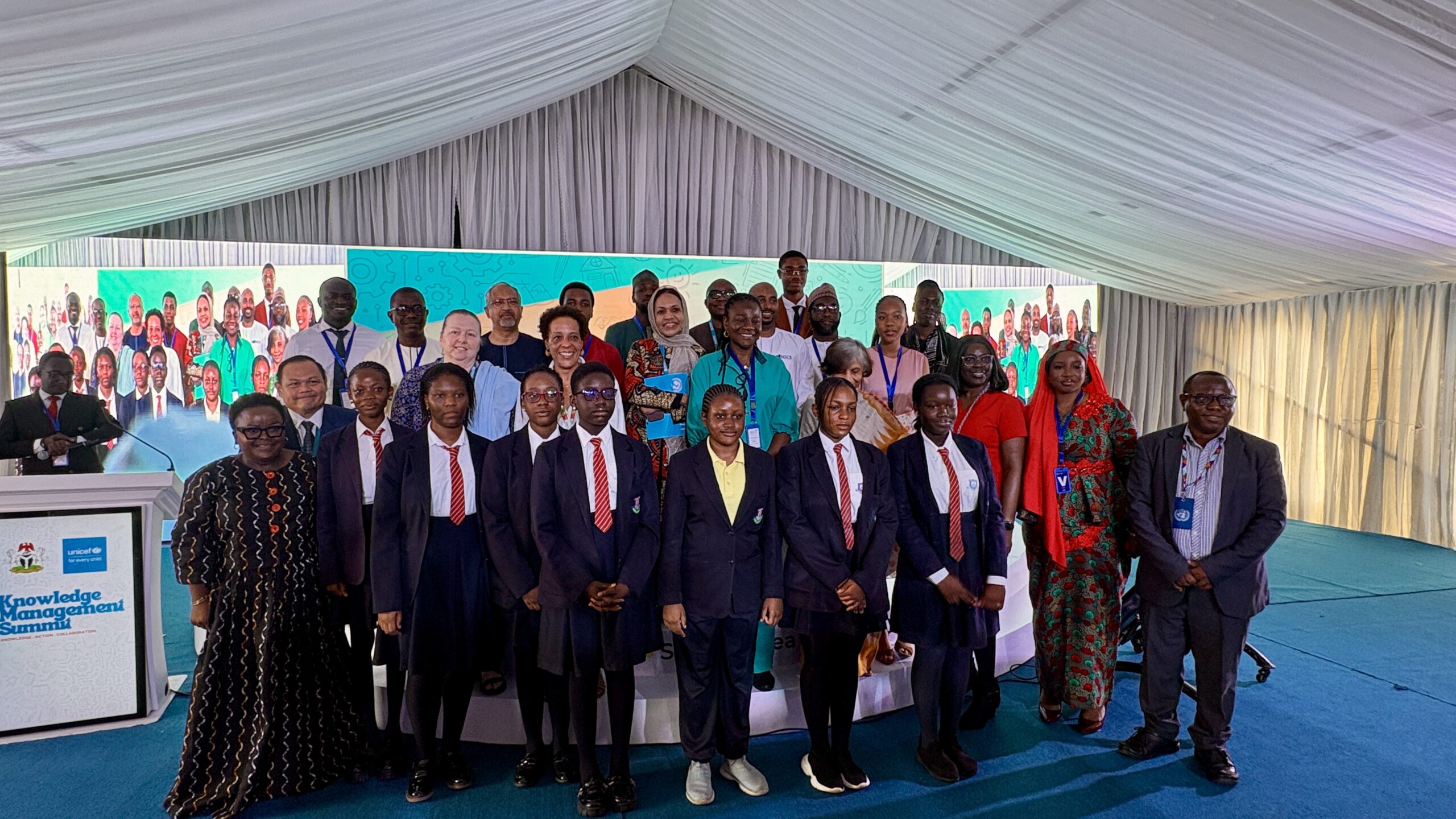
Wafaa Saeed, UNICEF representative in Nigeria, made this call on Wednesday in Abuja at the Knowledge Management Summit 2026. The summit was organised by UNICEF together with the Government of Nigeria through the Child Rights Information Bureau.
This event brought together government officials, development partners, UN agencies, academics, civil society groups, researchers, young people, media professionals, and other stakeholders. They discussed how to turn knowledge and evidence into real actions for children.
Ms Saeed highlighted that managing knowledge and learning are key tools for ensuring that policies and programmes have real and lasting effects. This is especially important given the challenges children face in Nigeria.
She pointed out that stakeholders need to look at what has worked, what hasn’t, and what needs to be changed.
"We need to reflect and pause and see what we are learning and how we can use that learning to improve our work so that we have impact, so that we have sustainability, and so that we also reach all children, no matter where they are," she said.
Ms Saeed also talked about the importance of getting young people involved in the knowledge-management process. Their experiences should shape how knowledge is created and used.
One of the main lessons from the summit was that young people want to help create knowledge instead of just receiving feedback from institutions.
She added that this approach should include parents and communities. Stakeholders should work together from the start of research and learning processes.
"When you work with co-creation, when you get people from the beginning, then they already own the knowledge and they can work on it," she said.
Ms Saeed mentioned that UNICEF’s job to work with governments and communities on issues like children’s health, education, protection, and resilience makes knowledge management very important.
Suzanne Suh from the United Nations Resident Coordinator’s Office said knowledge management should help with evidence-based decision-making, accountability, and teamwork.
She explained that research, evaluations, and assessments give the evidence needed to guide governments and partners in making policies that protect and empower children.
Without evidence, she warned, decisions might be based on assumptions instead of the real situations children and communities face.
She also added that data can help stakeholders track commitments, measure progress, and improve accountability for resources meant for children’s needs.
"Knowledge management provides accountability and transparency. Data allows us to track commitments, measure progress, and hold ourselves accountable," she said.
Ms Suh called for more investment in systems that can collect detailed data while also amplifying the voices of children and young people in research.
She mentioned that digital platforms, open data, and participatory approaches could help make knowledge more accessible and inclusive.
The UN Resident Coordinator’s Office, she stated, is committed to promoting better coordination across the UN system and ensuring that knowledge can flow between agencies, governments, and communities.
Wayne Bacale, chief of planning and monitoring at UNICEF Nigeria, said the summit aimed not just to share research findings but also to see how that knowledge could help improve outcomes for children and mothers.
Mr Bacale noted that the gathering included government officials, academics, UN agencies, and others to share knowledge from various studies on child rights in Nigeria.
He stressed that discussions should continue after the summit, with stakeholders identifying specific actions to turn research findings into policies.
According to him, the summit should be viewed as the start of an ongoing process rather than a one-time event.
"This effort to share, learn, and put knowledge into action should not end here. It is a process. It’s a journey," he said.
Mr Bacale concluded that stakeholders must keep creating platforms where those working to improve children’s situations can share knowledge and identify practical steps.
The ultimate goal should be to turn knowledge gained through research into actions that enhance the protection and wellbeing of children in Nigeria.




Drop your comment
No comments yet — be the first to drop the gist 👇