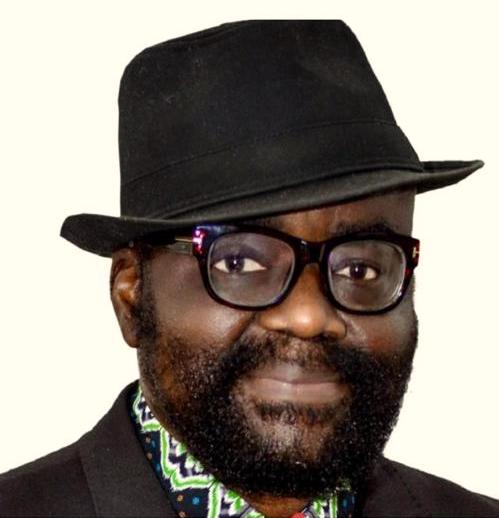
John Cardinal Onaiyekan is known for being calm and wise in his 82 years. Anyone trying to label him a troublemaker is wasting their time.
President Tinubu is known for being straightforward and crafty in politics. The friendly atmosphere around his well-known boastfulness can trap anyone who underestimates him.
When church leaders meet with political leaders, smart observers know it is a serious moment for sharing ideas and truths, not just a chance to stir up trouble.
What caused the recent excitement? A group from the Catholic Bishops’ Conference of Nigeria (CBCN) had a private meeting with President Bola Tinubu at the Presidential Villa. The bishops presented a document about the serious economic problems, security issues, and social unrest in the country. They urged the president to take action.
After the meeting, Cardinal Onaiyekan spoke on Arise TV. He mentioned that President Tinubu insisted the economy was getting better and did not seem happy with the bishops' views. Onaiyekan pointed out that the president’s aides might not be giving him a true picture of what everyday Nigerians are facing. He was honest, but not disrespectful.
Clips of President Tinubu’s response to the bishops showed he defended his position strongly. He highlighted the economic achievements of his government and downplayed the everyday struggles. As a politician, he reminded the bishops that politics and morality are different.
I saw that meeting as one of the more positive interactions between the church and government in our democracy. It was as strong as any similar exchange in other democratic countries.
We should be proud that our Catholic bishops could visit the president and tell him he was not doing enough. The president also explained his side and made it clear that the church is not a necessary part of the government where decisions are made.
Compare Tinubu’s response to Donald Trump’s harsh words against Pope Leo XIV when the Pope criticized endless wars. I wonder why we focus on our flaws when we have valuable lessons to share with the world.
Sadly, instead of highlighting the good from the visit, some presidential aides reacted poorly, attacking the bishops. One aide, Temitope Ajayi, said Onaiyekan’s interview on Arise News was an “abuse of clerical privilege.” (What does that even mean?)
The comments from Dr Daniel Bwala, Special Adviser on Policy, were even worse. He said Cardinal Onaiyekan was speaking only from a Catholic viewpoint, not on behalf of all Nigerian Christians. He claimed the cardinal was “more political than spiritual” and accused parts of the Catholic leadership of siding with opposition figures like Peter Obi of the NDC.
Bwala’s remarks proved Onaiyekan right in saying the president’s aides might not be aware of what regular Nigerians face daily.
Bwala’s comments about the Cardinal drew backlash from political leaders, civil rights groups, and interfaith leaders. Reverend Joseph John Hayab warned against trying to divide Christians along church lines.
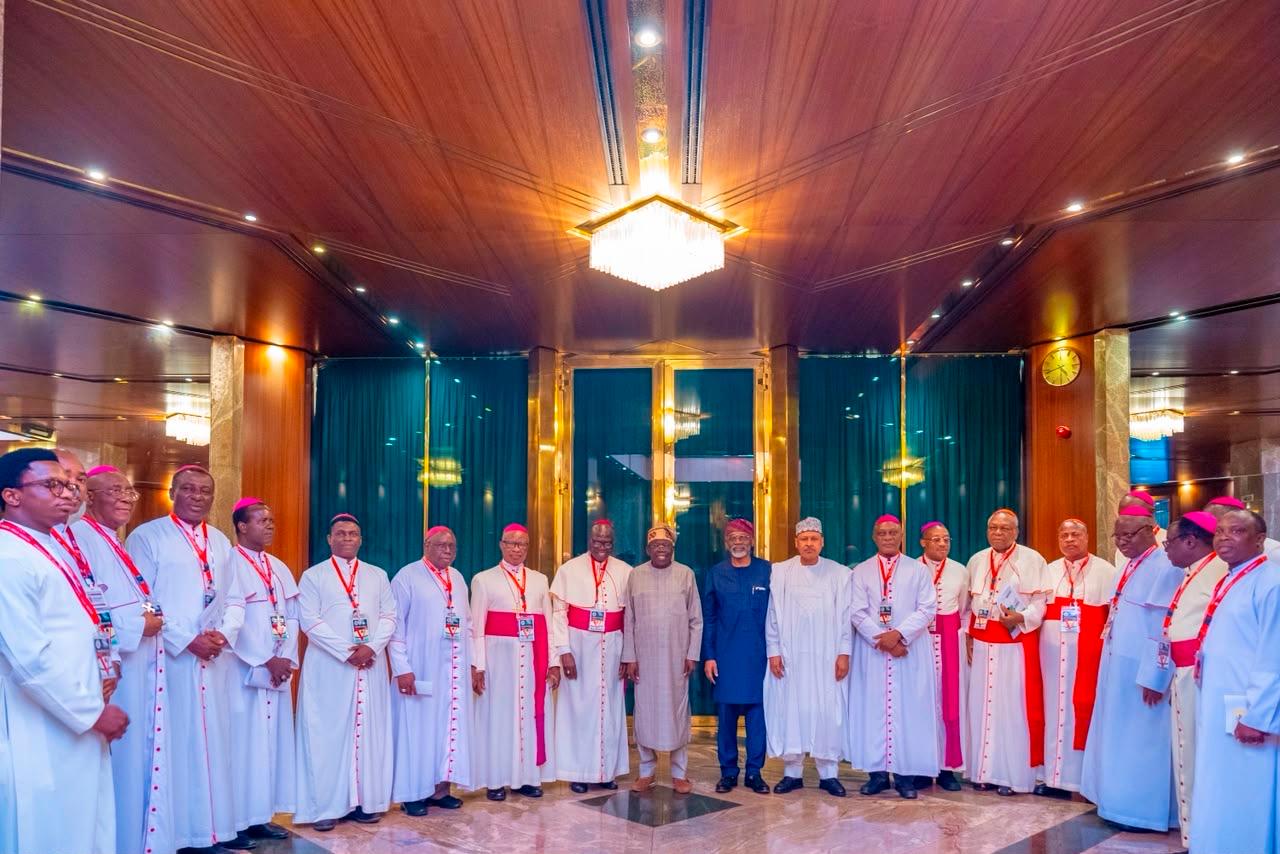

The Human Rights Writers Association of Nigeria (HURIWA) criticized the presidential aides, saying that high-ranking clerics like Cardinal Onaiyekan have a duty to tell public officials about the realities that people face.
The Anglican Archbishop of Enugu North, Most Reverend Sosthenes Eze, said Onaiyekan was speaking for all Christians and all Nigerians. “The Catholic Church has spoken the mind of all Nigerians,” he said. He described Bwala as the type of aide who misleads his boss to seem loyal.
Unfortunately, the aggressive approach taken by presidential aides is harmful, especially with elections coming up. There are about 38 million Catholics in Nigeria. You don’t want to alienate that group so easily. The damage control by Secretary to the Government of the Federation, Senator George Akume, was smart and timely.
Most social media users are supporting Cardinal Onaiyekan. This shows he was indeed trying to help his country by speaking the truth to power. There is a long history of the Catholic Bishops’ Conference of Nigeria engaging with various leaders over the years. Those who want the best for Nigeria should always offer honest advice to their leaders.
History teaches us this lesson. In Sophocles’ Antigone (441 BCE), a powerful story shows a clash between a young woman, Antigone, and her uncle, King Creon, about her brother’s burial.
Antigone’s brothers die in a civil war. Eteocles, who fought for the city, gets a hero’s burial. Polynices, who fought against it, is left unburied by Creon, who says anyone trying to mourn him will be punished. Creon thinks this is a way to show state power.
But Antigone refuses to obey, believing that state laws cannot override the eternal laws of justice. Under the cover of night, she goes outside the city and buries her brother.
When caught by guards and brought to Creon, Antigone boldly says that his commands cannot override the laws of heaven. Creon is furious and sentences her to be sealed alive in a tomb. Antigone chooses death over giving in. Her brave words lead to tragic consequences. The blind prophet, Tiresias, warns Creon that the gods are angry for not respecting natural law.
In the end, Creon changes his mind and orders the tomb to be opened. Sadly, Antigone has hanged herself. Her fiancé, Creon’s son Haemon, kills himself in grief, followed by his mother, Queen Eurydice.
In one moment, Creon loses the three people he loved the most, his cousin, his son, and his wife.
Since then, every king has prayed for the wisdom to listen to the Antigone fate brings to him, no matter who they are.
Did you ask why? Because power without feedback is dangerous!

Drop your comment
No comments yet — be the first to drop the gist 👇