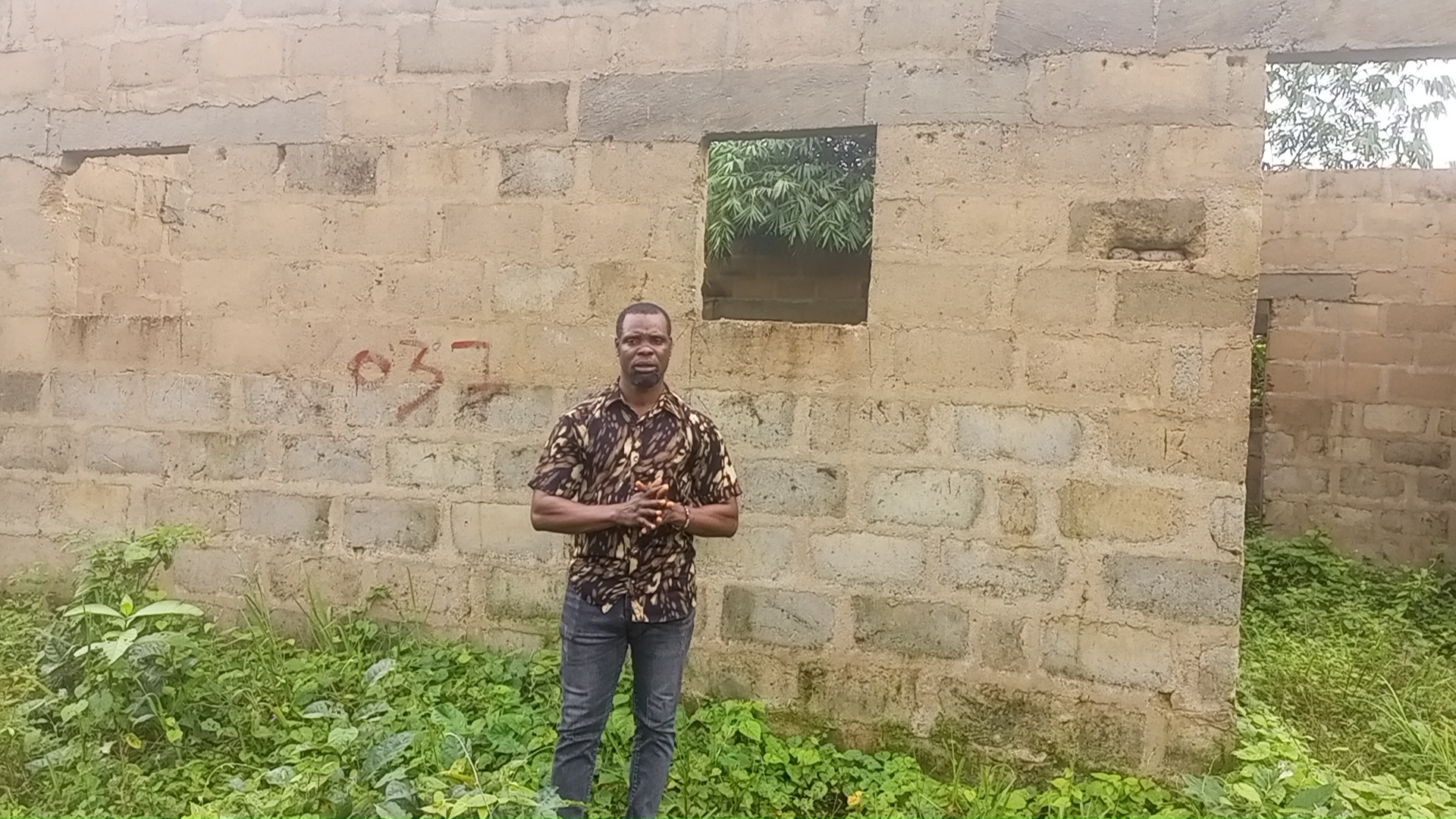
On 6 August, Nduke Pious stood next to the wreckage of her three-bedroom house, about 500 metres from the big construction site of the Ibom Medical City project in Itak, Ikono Local Government Area of Akwa Ibom State.
Ms Pius had just returned home after delivering her fourth child two weeks earlier. She got back to find out that state agents had demolished her unfinished building.
This happened even after she turned down the compensation the government offered when they acquired her land for the medical city project.
She had been putting in effort to finish the property, hoping it would be a permanent home for her family.
“My baby is only two weeks old,” she told PREMIUM TIMES. “Right now, I am living with my sister. I received a quit notice from my landlord and had to move my belongings to my sister’s house.”
Ms Pius said she spent over N3 million to raise her building to lintel level, but the officials only offered her N550,000 as compensation.
As she talked, workers with heavy machines continued with what Governor Umo Eno called one of his administration’s biggest projects.
About 300 meters away, Sunday Okon, a mobile phone repairman and father of three, shared a similar story.
After getting a quit notice from his last home during a drainage project, Mr Okon borrowed N3 million and added his savings to roof a three-bedroom house.
But just two months after moving in, he found out that his property had been marked for acquisition.
He said he expected to receive enough compensation to start over.
Instead, the state offered him N5.6 million as compensation.
“Given the cost of building materials and the level this building has reached, the least they should offer is N16 million,” Mr Okon said.
“I’m appealing to the governor to provide adequate compensation so I can build another house for my children.”
PREMIUM TIMES discovered that over a dozen property owners rejected the compensation offered by the state government, saying it was far from what they needed to rebuild.
Interviews with affected property owners, estate valuers, and lawyers, along with valuation reports and rejection letters reviewed by this newspaper, showed a lack of clarity over how compensations were decided.
Several valuers mentioned that their professional assessments were much higher than what the government approved, raising questions about how property values are determined and whether families are getting fair compensation for one of Akwa Ibom’s major public projects.
A project of great ambition
None of the property owners interviewed by PREMIUM TIMES opposed the project.
In fact, they all said it is a welcome development that could improve healthcare in Akwa Ibom.
Governor Eno launched the project plan and performed the groundbreaking for the Ibom International Hospital in June.
The facility will cover 100 hectares and is expected to cut down medical tourism, create jobs, and make Akwa Ibom a top choice for specialized healthcare.
“This project is not just a construction project; it is an investment in the future health and prosperity of our people,” the governor said.
At the event, the Minister of Health and Social Welfare, Muhammad Pate, called the project a practical example of Nigeria’s healthcare reform.
Project Manager Teinye Isokariari added that the medical city would include a 10-storey complex with 62 medical specialties, equipped with advanced technology to provide top-notch healthcare services.
He described the project as “more than a hospital,” calling it “a journey” toward healthcare excellence.
Project consumes over six percent of state’s 2026 budget
The state’s financial commitment shows the scale of that vision.
A review of the Akwa Ibom 2026 budget by PREMIUM TIMES reveals that the government has set aside different amounts for various parts of the project: N100 billion for the Ibom International Hospital, N10 billion for an Advanced Diagnostic Centre, N5 billion for a Mental Rehabilitation Centre, and N2.5 billion for the Arise Renal Medical Centre/Dialysis Centre.
In total, these allocations amount to N117.5 billion, which is more than six percent of the state’s N1.5 trillion 2026 budget.
For Governor Eno, the medical city is a flagship investment meant to change healthcare delivery in Akwa Ibom.
But for families like those of Ms Pius and Mr Okon, the project has turned into a painful balancing act between public progress and private loss.
While cranes and bulldozers prepare the ground for what could be one of Nigeria’s largest healthcare facilities, many who gave up their land say the compensations do not match what they lost.
‘We need fair compensation’
This newspaper reported earlier how Peter Lambert took to Facebook to appeal to Governor Eno to reconsider the N3.7 million compensation offered for his property taken for the project.
Mr Lambert said he invested nearly N8 million in the property located in Ekpemiong Itak.
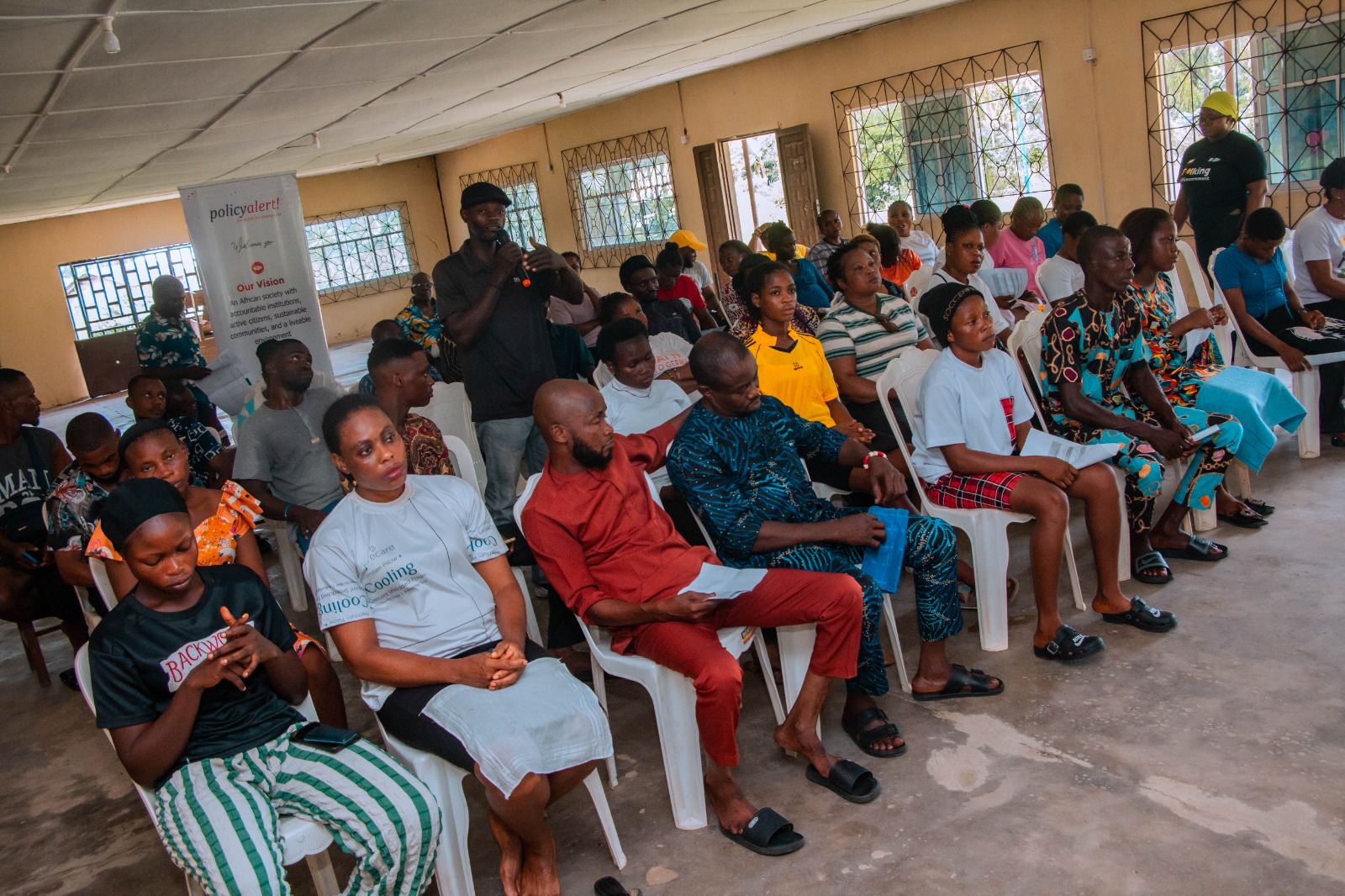
Across Ekpemiong Itak and Usuk Afaha Obio Ewang in Ikono Local Government Area, rejection letters, valuation reports, and interviews with property owners point to a compensation issue that threatens to overshadow the ambitious healthcare project.
Among those interviewed by PREMIUM TIMES is Anietie Effiong.
Standing beside his three-bedroom bungalow, he remembered officials telling him that his property was affected by the project.
“I did not protest because I believed the government would pay adequate compensation,” he said.
Months later, he was told the state had approved N2.1 million.
“It is so sad,” he said. “I rejected the money. How can I accept N2 million for this property?”
Considering the current cost of building materials, Mr Effiong thinks about N9 million would better reflect the value of what he lost.
A letter seen by PREMIUM TIMES shows that he formally requested a revaluation from the Ministry of Lands and Town Planning.
“I hereby reject the said compensation due to the poor amount and therefore call for revaluation of my property,” he wrote.
Less than 300 meters away, Edet Etuk told a similar story.
His four-bedroom bungalow had reached wall-plate level when officials told him it had been acquired.
He said the government approved N1.4 million as compensation.
“I submitted a rejection letter,” he said. But months after submitting it, he said he had not received a response.
“If the government offers me N9 million, I will accept it.”
His rejection letter, reviewed by this newspaper, argues that the offer does not represent “the true value and fair compensation” for the property, especially considering inflation and the rise in construction costs.
Similar pattern, different property owners
The pattern goes beyond the two men.
Idongesit Nnimmong publicly appealed to Governor Eno and Senate President Godswill Akpabio after the state acquired her two plots of land for the project.
She said she spent years buying more than 2,000 blocks, cement, sand, chippings, fencing materials, and paying for labor before she found out that compensation for both plots was set at N896,000.
“I sincerely support this project because I know it will benefit Akwa Ibom State,” she wrote on Facebook. “I only humbly ask that my years of sacrifice are not forgotten. That news broke my heart. It does not reflect the value of my investment.”
For Glory Ntokon, the acquisition interrupted her journey out of a housing challenge.
When officials told her the state had approved N1.5 million as compensation, she said her dream collapsed.
“The money is not enough to build another house.
“With my two children, it is frightening to think about how I will start all over again.”
The numbers are even more shocking in the case of Christiana Ekpo.
The state offered her N540,000 for a three-bedroom bungalow built above damp-proof course level.
Her independent valuer assessed the same property at N3.8 million.
“I rejected the offer immediately,” she said.
Her lawyer, Anthony Ebuk, confirmed to PREMIUM TIMES that a formal rejection letter had been submitted to the Ministry of Lands and Town Planning, and they are still waiting for a response.
Supporting documents reviewed by this newspaper show another layer to the dispute.
A valuation report from Mathias Hope and Associates states that Mrs Ekpo’s property is being acquired for the proposed Renal Kidney Centre, one of the specialized facilities planned within the Medical City.
Using the Depreciated Replacement Cost Method, a recognized way to value permanent structures, the firm assessed the property at N3.8 million.
It is one of several independent valuation reports reviewed by PREMIUM TIMES showing big differences between professional assessments and the compensation approved by the government.
The gap is even wider for Sunday Okon and Friday Okon.
Their estate valuer, Udom Udim, assessed Sunday’s property at N18.6 million and Friday’s at N20 million.
The government approved N5.6 million and N8 million, respectively, for a three-bedroom flat and an apartment with three self-contained units and a two-bedroom flat.
“I know the properties in question were undervalued compared to the current cost of building materials,” Mr Udim said.
He mentioned that he submitted his valuation reports to the Ministry of Lands and Town Planning and that the affected property owners have also hired a lawyer.
While recognizing that compulsory acquisition for public purposes is allowed under Nigerian law, Mr Udim explained that independent estate surveyors prepared their assessments using standard professional techniques, while the compensation communicated to property owners came from the state government through the Ministry of Lands and Town Planning.
That difference is at the center of the dispute.
Property owners insist that the approved compensation does not reflect the cost of replacing what they lost.
The government has yet to explain how it reached the compensation figures.
The disagreement becomes even more striking when viewed against the scale of the state’s investment in the Medical City.
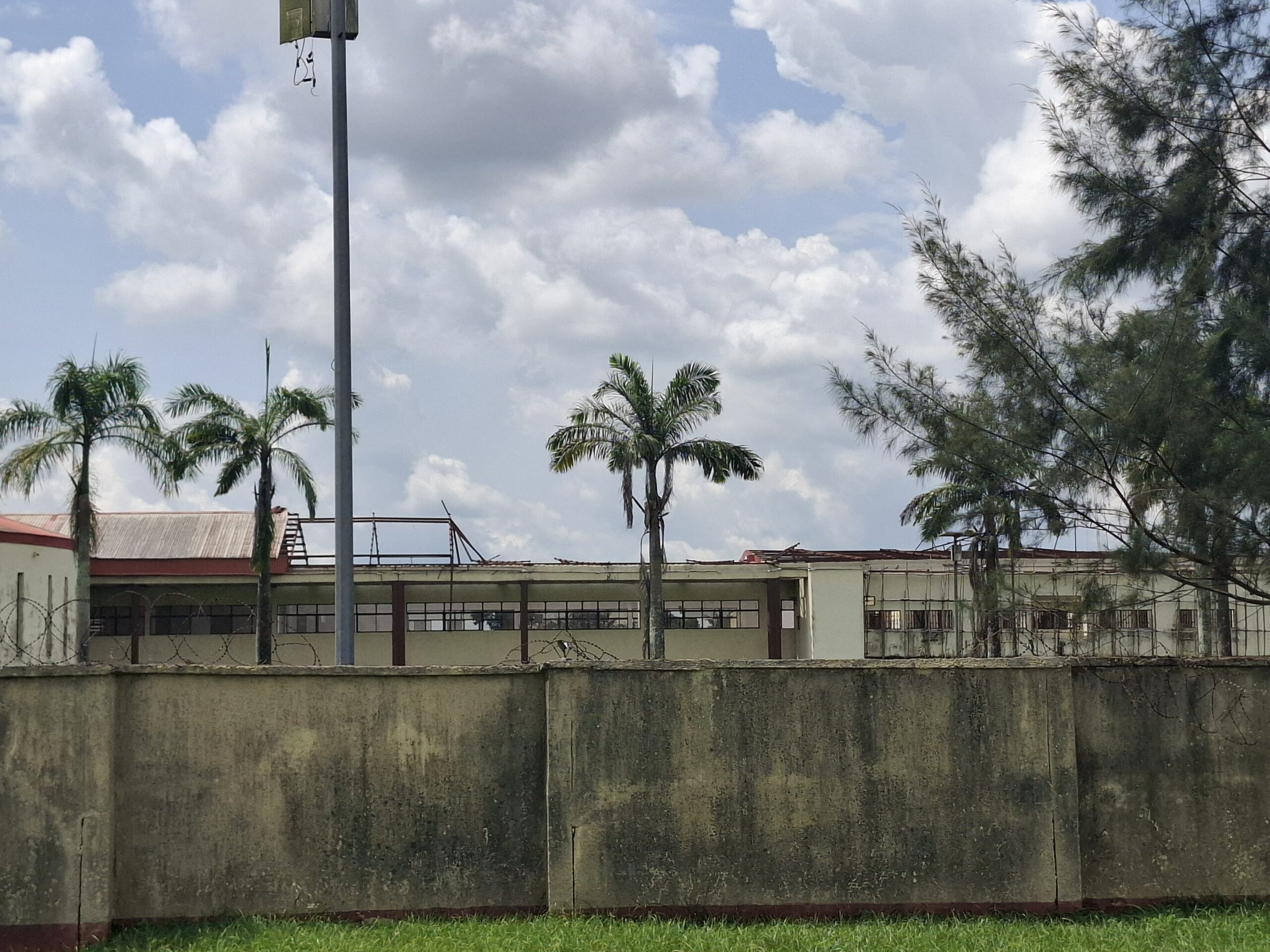
Governor Eno has often said the project will reduce medical tourism by providing specialized healthcare services within Akwa Ibom, a vision similar to what was proposed over a decade ago when the Ibom Multi-Specialty Hospital was opened under the former Governor Akpabio.
Today, though, many parts of that hospital are still unfinished, even as the 2026 budget allocates N2 billion for its completion while the government also commits over N117 billion to key components of the Medical City.
For families whose homes are in the project’s way, those billions are less immediate than a more personal question:
How do they rebuild the homes they gave up for a project they support?
Government yet to explain valuation process
As complaints grew, PREMIUM TIMES asked the Akwa Ibom State Government for answers. The newspaper wanted to know how the compensation figures were determined.
It also sought clarification on whether the Ministry of Lands and Town Planning looked at independent valuation reports submitted on behalf of affected property owners before approving compensation.
The Commissioner for Lands and Town Planning, Ubong Inyang, refused to comment.
He first directed PREMIUM TIMES to the ministry’s permanent secretary but later sent this newspaper to the Commissioner for Information, Aniekan Umanah, after being reminded that a state government rule prevents permanent secretaries from talking to the media without permission.
When contacted, Mr Umanah said he did not have enough details of the affected properties to comment and asked for specific information.
The detailed questions were sent to him via WhatsApp, asking what valuation rates, assessment criteria, and schedules the Ministry used to determine compensation for properties and whether those schedules are publicly available for transparency and accountability.
As of the time this report was filed, Mr Umanah had not responded.

Drop your comment
No comments yet — be the first to drop the gist 👇