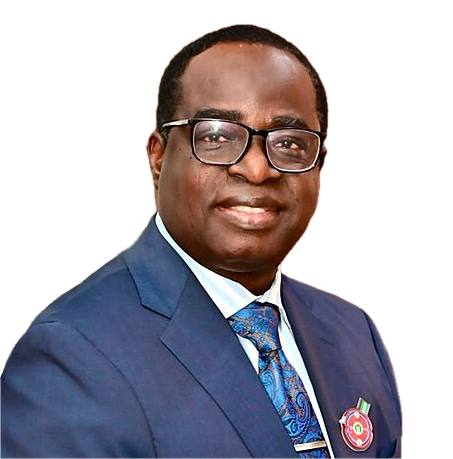
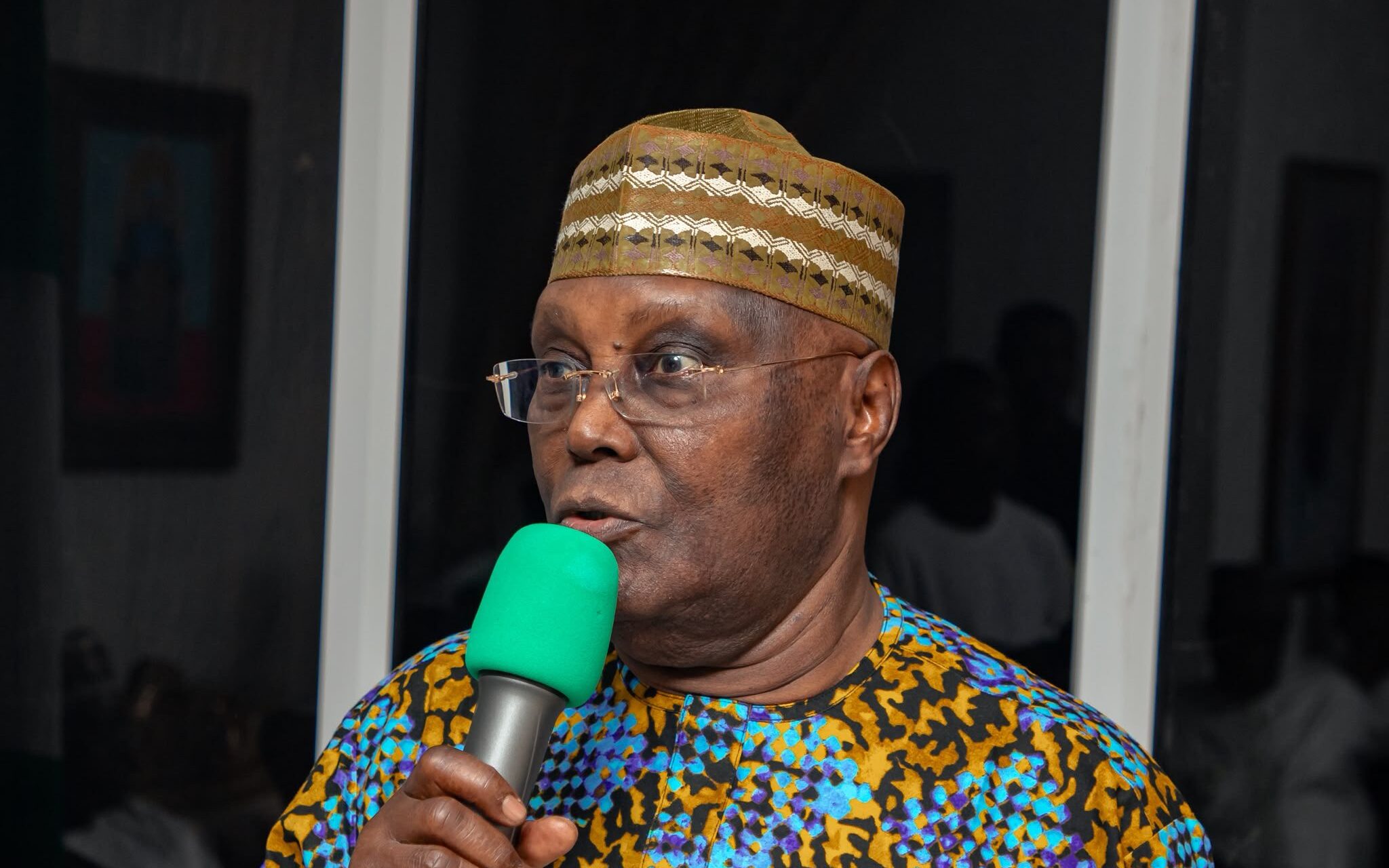
Alhaji Atiku Abubakar, the former Vice President and presidential candidate of the African Democratic Congress, is back in Nigeria's economic conversation with a proposal that needs close examination.
In his Independence Day address, Atiku promised Nigerians a capped and budgeted production subsidy linked to petrol refined in Nigeria. He stated that imported petrol would not be part of this subsidy. The idea is to help local refining, and the costs and beneficiaries will be made public and independently checked. The goal is to lower petrol prices for Nigerians.
At first glance, this plan seems appealing, especially when many Nigerians are worried about transport costs affecting their daily lives. But once we look deeper, Atiku's proposal brings up a common economic concern. If the government lowers petrol production costs to sell it cheaper, who will cover the difference? The answer is the Nigerian public.
Atiku argues that his plan is different from the old subsidy system, and he wants that difference recognized. The previous system mainly focused on subsidizing imported petrol. Atiku wants to support local production, with the subsidy linked to petrol refined here. But shifting the subsidy from imports to production doesn't erase its cost. It only changes how public money flows into the oil sector.
If crude oil that could be sold at its market price is given to local refineries at a lower price, that difference costs the country. Atiku has admitted this. The real questions are not if the subsidy has a cost, because it does, but how much it will cost, how long it will last, where the funds will come from, and if the expected price drop will actually help Nigerians at the pump.
This makes the proposal less clear-cut than its political appeal suggests.
Atiku claims the subsidy will have a cap. But what is that cap? He says it will be budgeted. What is the proposed budget for it? How much locally refined petrol will qualify? What will be the subsidy per barrel or litre? What if global crude prices rise or the exchange rate changes sharply? What is the maximum financial risk for the country? How will they verify qualifying production? Most importantly, how will they ensure that the benefits reach the consumer? These are basic public finance questions.
The APC Presidential Campaign Council has already called on Atiku to reveal the proposed subsidy rate, annual spending limit, eligible volume, funding source, and safeguards against corruption and smuggling. These are valid questions.
If Atiku thinks the APC's assumptions are wrong, he should provide his own data. Nigerians need more than a promise of cheaper petrol. They deserve to see the calculations behind that promise. Anyone asking Nigerians to trust them with managing their money should be ready to provide the numbers behind their plans.
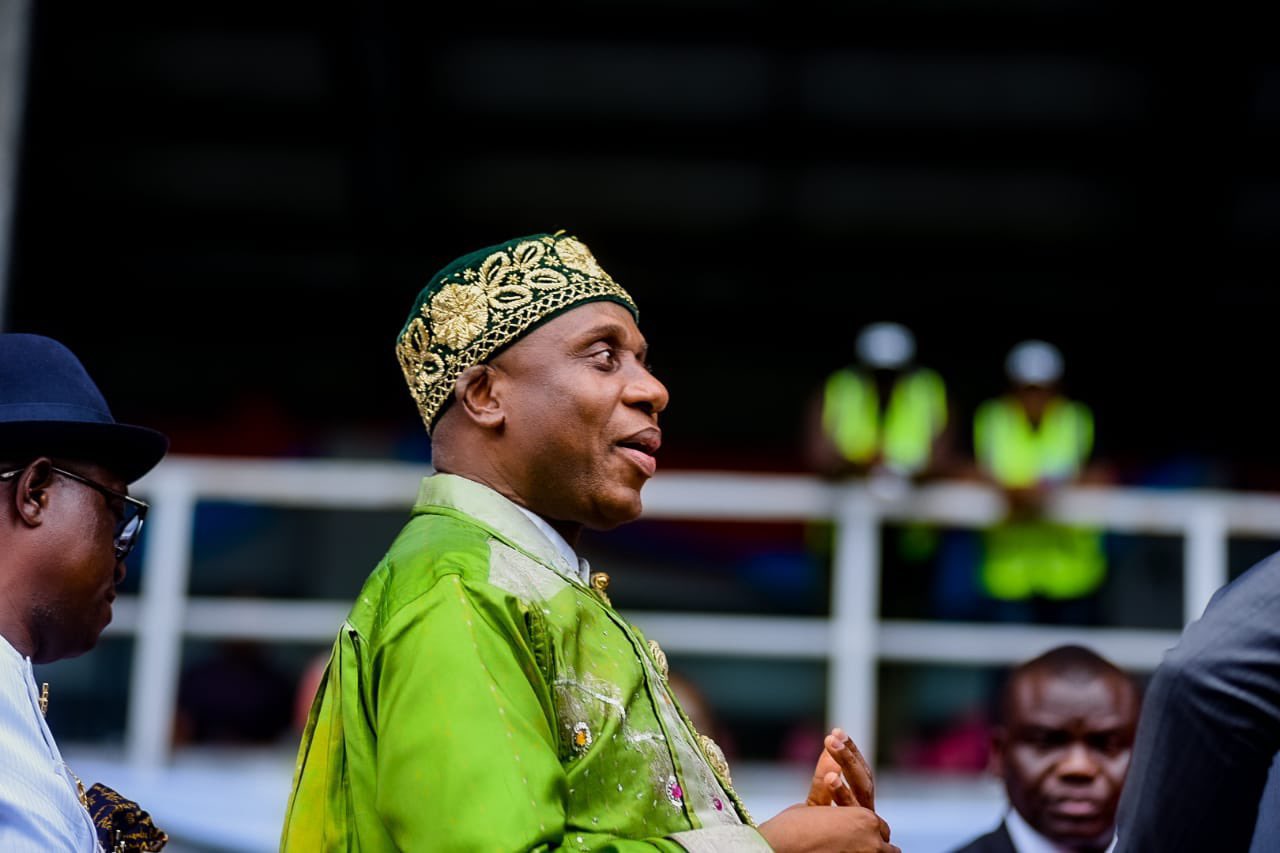
There are also legal and regulatory issues. Atiku's running mate, Rotimi Amaechi, said that an Atiku-led government would seek to amend the Petroleum Industry Act if the current law stops the proposed subsidy. This statement is crucial because it shows that the issues between the proposal and the current oil regulations are real concerns, not just political attacks. Atiku's team recognizes that they may need legislative changes.
This leads to a more significant issue. Nigeria has been down the subsidy road before. For years, huge public funds were used to keep petrol prices low. This system became a heavy burden on public finances and led to smuggling and distortions in the economy. Funds that could have gone to roads, schools, hospitals, security, and power were used to keep petrol prices artificially low.
It is surprising that Atiku, who has always been a supporter of market reforms and previously backed removing subsidies, is now proposing another subsidy as a solution to Nigeria's economic problems.
The mechanism may be different, and we must recognize that. But Nigerians can still question what has changed in his economic thinking and why an intervention he once called unsustainable has come back, even if it looks different, in his oil policy. We should not forget past lessons.
The contrast with President Bola Ahmed Tinubu's reform direction should also be clear. The choice is not just between subsidizing petrol and leaving Nigerians to deal with high transport costs.
Tinubu's alternative is to shift government support from permanently subsidizing every litre of petrol to changing the economic factors behind transportation through alternative fuels, local refining, infrastructure, and competition. This is a fundamental distinction.
Under the old subsidy system, the government tried to make petrol cheaper by covering part of its costs. As demand grew and international prices and exchange rates changed, the burden on the treasury grew too. Tinubu's plan aims to reduce Nigeria's reliance on petrol altogether.

This thinking supports expanding Compressed Natural Gas and electric transport. Nigeria has a lot of natural gas. Instead of depending mainly on petrol and diesel for transportation, the government wants to use more of this local resource to fuel vehicles while developing electric transport and mass transit.
The Federal Government reported in September that over 120,000 vehicles have been converted to CNG, with more than 400 certified conversion centers and over 90 CNG refueling stations across the country. The government has also announced lower fares on some routes served by CNG and electric public transport.
These are government-reported figures and should ultimately be compared with what Nigerians experience daily. The key point is the direction of policy. The aim is to create alternatives to petrol rather than making the treasury always responsible for lowering petrol prices.
Local refining is another key part of this alternative. For years, Nigeria has been a major crude oil producer while heavily relying on imported refined products. A more sustainable oil economy should refine more of what Nigerians need at home and encourage competition among refineries, distributors, and retailers.
Competition matters because deregulation without competition can leave consumers vulnerable to market power concentration. The ultimate goal should be a market with enough local refining capacity, multiple suppliers, alternative fuels, and efficient distribution so competition shapes prices instead of relying on the public treasury.
This is where we see the difference between Atiku's proposal and Tinubu's approach. Atiku wants to use public funds to lower the production cost of locally refined petrol, hoping that this will lower prices for consumers. Tinubu's plan aims to maintain market-based petrol pricing while boosting local refining and developing alternatives to petrol, especially CNG and electric transport.
In simple terms, Atiku wants another government subsidy to reduce petrol costs. Tinubu's reform aims to make Nigerians less reliant on petrol. This is a significant policy difference.
Atiku is free to present his alternative to Nigerians. But he must also back it up with numbers. Saying that a subsidy will be capped does not explain what that cap is. Saying it will be budgeted does not reveal the budget. Saying it will be transparent does not clarify the fiscal risks involved. Saying consumers will benefit does not ensure that the benefits will reach them.
These details matter because Nigeria cannot afford policies based on promises that only show their costs after they start.
President Tinubu made the tough choice to tackle a subsidy system that was burdening public finances. This change has put pressure on Nigerians, and the government must acknowledge this and respond. The solution should be to improve the reforms, enhance local refining, speed up CNG infrastructure, grow electric and mass transport, encourage real competition, and strengthen the economy so that Nigerians can feel the benefits.
There is nothing wrong with questioning Tinubu's reforms. In fact, Nigerians should challenge them and demand results. But questioning the pace or effectiveness of reforms is different from concluding that the country should commit public funds again to keep petrol prices low.
Atiku claims his subsidy will be unique. Then he should show Nigerians exactly how it will be different. He should provide the proposed subsidy rate, eligible volume, annual limit, funding source, expected duration, and how to ensure that benefits reach consumers. Let Nigerians see the numbers and evaluate the proposal based on its real economic impact, not just its political appeal. That is where the debate should focus.
Nigeria cannot keep subsidizing its way out of deep economic issues. There will always be political pressure to delay tough choices. Elections are always around the corner. There will always be a tempting argument for making expensive commodities cheaper through government action. But someone will always pay the bill. Before Nigerians are asked to accept another subsidy, Atiku should tell them exactly what that bill will be.
Giving an old economic tool a new look does not erase its costs. Nigeria has experienced the subsidy cycle before and knows the risks that come with it. The more sustainable path is to address the weaknesses in current reforms, speed up alternatives, boost local production and competition, and ensure those reforms benefit everyday Nigerians instead of dragging the treasury back into endless petrol price support.

Drop your comment
No comments yet — be the first to drop the gist 👇