It began with a sharp pain in Musa Saidu’s stomach.
The 20-year-old didn’t think much of it at first. But soon, the pain was followed by fever, vomiting, and frequent watery stools. Within hours, his health worsened.
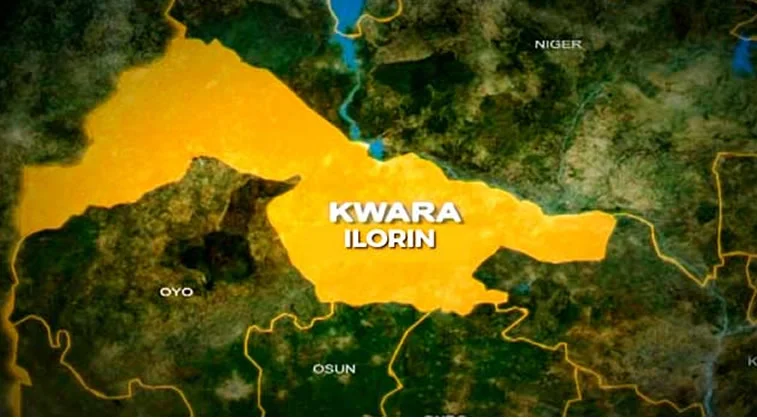
This happened in August 2025, during a cholera outbreak in Bukkuyum Local Government Area of Zamfara State. Musa and his family had fled their home in Dan Bago village due to attacks by bandits.
Like many displaced by insecurity in the state, the family had already lost their home. Now, as Musa grew sicker, they faced another challenge: finding medical help.
His parents tried some affordable treatments first. They gave him a few medicines and mixed a local herbal remedy with water, hoping to see improvement. But it didn’t help.
Since the health facility in their community was no longer working, they eventually took Musa to the Orphan and Less Privileged Clinic (OLPC) in Bukkuyum town. There, he was diagnosed with cholera.
However, getting to the clinic did not solve all their problems.
The clinic was overwhelmed with cholera patients. Only three health workers were on duty, and basic medicines were missing.
Many residents affected by the outbreak went to the same clinic, while others had to find treatment elsewhere due to the lack of staff, medicines, and space.
For families like Musa’s, the outbreak highlighted a bigger issue beyond cholera.
Years of insecurity have displaced many communities in Zamfara, pushed health workers away from some rural areas, and disrupted access to healthcare, clean water, and disease monitoring. These services are especially crucial during an outbreak of a disease that can lead to death within hours if severe dehydration is not treated.
Insecurity Leads to Health Crisis
Zamfara is one of the states most affected by insecurity over the past decade in north-western Nigeria.
What started mainly as cattle rustling has turned into organized violence by armed groups called bandits. Communities have faced attacks, residents have been killed or kidnapped, and thousands have been forced from their homes.
The armed groups have also taxed some farming communities, stolen livestock and crops, and carried out kidnappings for ransom.
Data from the Mass Atrocities Tracker shows that 28,974 people were killed across Nigeria between 2021 and 2025. Borno had the highest death toll with 4,539, followed by Zamfara with 3,936 and Kaduna with 2,811.
Zamfara also recorded the highest number of abductions during this time, with 5,447 kidnapped. Kaduna had 4,050 and Niger had 3,331.
But deaths, abductions, and displacement are just some of the consequences.
In Bukkuyum LGA, residents and health workers told The ICIR that insecurity has weakened access to healthcare. Some communities are deserted, and health workers have stopped providing services in areas they see as unsafe.
Reports in 2025 indicated that only about 200 of Zamfara’s more than 700 Primary Healthcare Centres (PHCs) were operational, with ongoing insecurity blamed for the closure or abandonment of many facilities.
For residents of affected rural areas, these closures mean that illness can require traveling several kilometers, often through dangerous areas, to reach a health worker.
For those displaced by violence, the risks are worse due to overcrowding, poor sanitation, poverty, and limited access to clean water.
During a cholera outbreak, these conditions can be deadly.
Displaced Families Face Cholera
Buba Muhammad had already fled his home in Sadawa with his family due to constant bandit attacks when his son began vomiting and experiencing frequent watery stools.
The 40-year-old farmer and his family were living as displaced persons in Bukkuyum, where several families shared limited space and sanitation.
Mr Muhammad quickly sought medical help.
But there was no working health facility near where they were staying.
“My first attempt when my son was affected was to go to a hospital, but there was no facility nearby,” he said. “I had to take him to a medicine shop.”
The medications he got there did not help his son.
As his son continued to vomit and have diarrhea, Mr Muhammad decided to take him to General Hospital Bukkuyum, the nearest place he thought could help.
But another issue awaited them.
The hospital was struggling to handle patients coming from communities hit by the outbreak.
“We didn’t receive the proper care we expected immediately because there were not enough staff,” he remembered.
“There was no bed space. We even kept our patient on the floor before a staff member later found us a bed.”
The illness also put a financial strain on a family already displaced by violence.
Mr Muhammad said they spent a lot on transport and medicines, including drugs they had to buy outside the hospital after getting prescriptions.
“The only solution to ease the hardship of such unwanted incidents or outbreaks is to provide facilities in our local communities,” he said.
But he added that restoring healthcare without addressing security would leave part of the problem unresolved.
“We need security in our locations because we are not safe; there are attacks every day and night in our locations. The government needs to double its efforts to end the problem.”
Cholera is Preventable but Thrives Here
Cholera is a serious diarrheal disease caused by eating food or drinking water contaminated with the bacterium Vibrio cholerae. Without quick treatment, serious cases can lead to rapid dehydration and death.
It is also largely preventable through access to clean water, good sanitation, and hygiene. Quick treatment with oral rehydration solution can also greatly reduce deaths.
Yet cholera has repeatedly struck communities in Zamfara State.
In 2023, a World Health Organisation (WHO) report noted 907 suspected cholera cases in the state, making up about 28 percent of Nigeria’s suspected cases during that time.
The state faced another wave in 2024, with WHO reporting more than 700 cases and over 30 deaths across Zamfara and nearby Sokoto.
By 9 July 2025, Zamfara recorded 1,619 suspected cases, six confirmed cases, and 31 deaths across 12 of its 14 local government areas, according to a UNICEF report.
UNICEF said suspected cases rose by 30 percent in just one week, with children and young people making up 62 percent of reported cases.
The crisis continued.
In August 2025, an outbreak in communities in Bukkuyum LGA killed at least eight people and affected over 200 across 11 communities, according to residents and local officials cited by Reuters.
For residents already facing displacement, unsafe water, and weakened healthcare services, the outbreak showed how insecurity can worsen an otherwise preventable health emergency.
The Nigeria Centre for Disease Control and Prevention (NCDC) identifies unsafe water, poor sanitation, and bad hygiene as major factors driving cholera spread.
In parts of Bukkuyum LGA, insecurity has made tackling these risks harder. Residents have been moved into crowded living spaces, some health facilities are not working, and health workers say it can be dangerous to reach remote communities for monitoring and other services.
For some patients, just getting to treatment can be risky.
Dangerous Journeys for Rural Residents
In Masu community, Salihu Bello returned home one afternoon to find his two sisters very sick.
“They had stomach pain and became very weak,” he said. “Later we realized it was cholera.”
With no health facility in the community, the family initially relied on local remedies.
But the sisters’ condition worsened. Seeking treatment meant a tough journey to Bukkuyum town. They had to cross a river, which has become even more dangerous since insecurity stopped many healthcare workers from visiting remote areas.
“Sometimes health workers used to come to our community, but because of security problems they stopped,” Mr Bello said.
As night fell, the family started their trip. Fear of bandits hung over them, but Mr Bello said the need to save his sisters was greater than any other concern.
“At that moment, we were not thinking about insecurity. We only wanted to save them. It took about three hours before we received attention because we arrived very late at night,” he said.
When a health worker finally prescribed medications, he had to wake a medicine vendor before dawn to get them.
His sisters stayed under observation for about 24 hours before their health improved.
For Mr Bello, this experience showed the cost of not having a health facility nearby.
“If we have a health facility in our community, things will be easier, considering how quickly the disease can affect the human body,” he said.
“Before a patient from our community gets to the hospital, they suffer a lot. Having our own health facility would make access to treatment much easier.”
But a health facility is only part of what residents say they need.
In Masu and other communities around Bukkuyum, preventing cholera starts with something even more basic: clean water.
Unsafe Water Increases Risk
In communities around Bukkuyum, residents say access to clean water is a big problem.
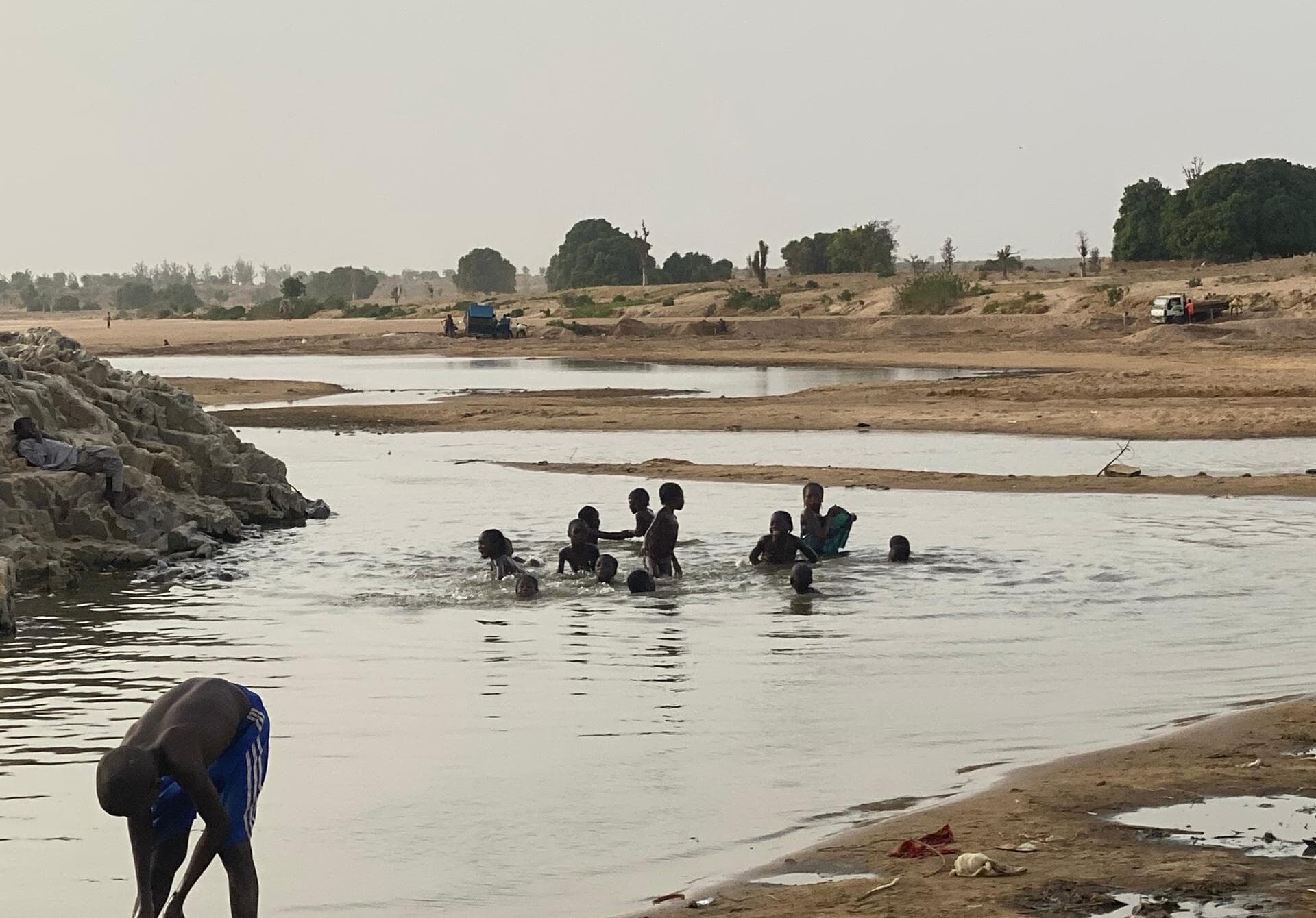
Some rely on streams for drinking, cooking, and other household needs. In Dan Bago, residents said people and cattle sometimes use the same water sources.
For a community already vulnerable to cholera, such conditions raise the risk of spread.
Nigeria’s 2021 Water, Sanitation and Hygiene National Outcome Routine Mapping (WASHNORM) report showed the scale of the country’s water and sanitation problem.
The report, from a survey of over 24,600 households, estimated that about 179 million Nigerians, around 87 percent of the population, lack access to safely managed drinking-water services.
The situation is especially tough in northern Nigeria. The Northeast had the lowest access rate at just two percent, compared to 29 percent in the Southwest.


While 67 percent of the population had access to basic water supply services, about a quarter of Nigerians still relied on unsafe or surface water sources.
Muhammadu Sadawa, a community leader, said insecurity has worsened the problem by forcing residents from their homes and packing displaced families into already strained settlements.
“Another major challenge we have in our community now is insecurity,” he said. “Most of our people left the community because of banditry. Where we are now living is too congested and very dirty. That congestion helped the disease spread among us.”
Mr Sadawa said access to healthcare has also declined.
Though there is a health facility in his community, he said it is no longer operational.
“We have a facility, but it is not in existence. There are no staff, no drugs. The building is dilapidated and almost collapsing,” he said.
During the cholera outbreak, residents had to seek treatment elsewhere.
He said some families struggled to get care before help arrived, while others faced delays due to distance and treatment costs.
“Many people died, and it took a long time before we received any intervention. Some people were treated, and some were not. I have a relative who spent over N50,000 on treatment. Many families went through the same thing,” he said.
For critically ill residents, getting to another health facility can also be hard.
Mr Sadawa said residents must cross a river to get to Bukkuyum town for more medical care.
“When someone is sick, we have to cross a river before reaching the hospital. We need the facility renovated, and we also need a bridge or canoes to help us cross,” he said.
He estimated that over 50 people in and around his community were affected during the outbreak, with some falling ill in displacement settlements before being taken to Bukkuyum town for treatment.
Health Workers Face Challenges
At General Hospital Bukkuyum, Abdullahi Salihu remembers the pressure when cholera patients came from communities across the local government area.
“At the time of the outbreak, it was very tense and hectic considering how patients were being brought to the hospital,” he said.
“Some survived, some were quarantined, and unfortunately, some died.”
Mr Salihu noted that insecurity complicated the response.
Patients who could leave affected communities made it to the hospital. But health workers had few options for those trapped in settlements that were hard or unsafe to reach.
“As health workers, we faced a lot of challenges because of insecurity,” he said.
“Some people managed to bring patients from their communities because they had no other option. But for those who could not come out, there was little we could do for them.”
Mr Salihu said government officials, politicians, and humanitarian organizations provided intravenous fluids, antibiotics, rehydration supplies, and other support during the outbreak.
But insecurity was not the only issue.
Many of the patients were displaced people who had lost their livelihoods and struggled to cover transport, food, and other needs.
“Most of them were displaced from their communities with nothing to eat,” he said. “Then the outbreak added another difficulty to their lives.”
Zaharadeen Abdullahi, a health worker at the Women and Children Welfare Clinic in Bukkuyum, also described insecurity as a big barrier to preventing and responding to outbreaks.
“Insecurity is a major contributing factor to outbreaks like this,” he said.
“We have services, vaccinations, and awareness programs, but because of security challenges, many health workers cannot reach vulnerable communities.”
Some affected settlements are over 10 kilometers from health facilities, Mr Abdullahi said. In some areas, insecurity has limited transport options for residents.
“Some communities cannot use motorcycles because of security threats,” he said. “People have to walk long distances or use donkeys. Because cholera requires urgent treatment, these delays can lead to deaths.”
He noted that displacement has created extra risks.
“Most of the affected people are internally displaced persons living in congested conditions,” Mr Abdullahi said. “Many rely on unsafe water sources, and stagnant water is still being used for drinking and household activities.”
He acknowledged support from the Zamfara State government, UNICEF, and other organizations during the outbreak but said more investment is needed in health facilities, medical supplies, and outreach to vulnerable communities.
Insecurity Impacts Disease Monitoring
Shakir Balogun, an epidemiologist, said ongoing cholera outbreaks in conflict-affected areas of Zamfara should not be seen only as a disease issue.
He said they also reveal weaknesses in healthcare access and disease monitoring made worse by years of insecurity.
Mr Balogun said insecurity has hurt the health system’s ability to reach some communities even before the recent cholera outbreaks.
“When insecurity makes communities hard to reach, children can be missed by immunization programs, cases of Acute Flaccid Paralysis (AFP) can escape monitoring, and cases of acute watery diarrhea can similarly go undetected or treated late,” he said.
“The pathogen changes; the health-system vulnerability does not.”
Mr Balogun said these weaknesses became especially clear during the 2025 cholera outbreak.
According to him, the African Field Epidemiology Network (AFENET), with support from the US Centres for Disease Control and Prevention, sent eight Field Epidemiology Training Programme residents and a graduate to help Zamfara’s response between 11 September and 2 October 2025.
The team worked with state officials in four high-burden local government areas.
Mr Balogun said their response identified cases in hard-to-reach and unsafe settlements. It also uncovered under-reporting connected partly to weak active case searches and insecurity, along with delayed reporting and incomplete records.
Other challenges included getting stool samples to the state reference laboratory, shortages of essential supplies outside prioritized LGAs, and not enough staff in some health facilities.
The findings suggest that insecurity can affect nearly every stage of outbreak control, from finding a sick person and reporting a suspected case to testing samples and getting treatment to patients.
Mr Balogun said strengthening community-based monitoring could help close some of these gaps.
Trusted community members can help spot and report suspected cases when regular health teams cannot safely reach affected areas.
Treatment also needs to be closer to vulnerable communities.
“If insecurity means a seriously ill patient has to travel several hours or cross an unsafe area before getting ORS or intravenous fluids, geographical access itself becomes a matter of survival,” he said.
He recommended setting up oral rehydration points and treatment units near vulnerable communities, with reliable referral systems for patients who get severe illness.
Authorities should also use monitoring and past outbreak data to find communities often hit by cholera and place essential supplies there before outbreaks escalate, he said.
“You do not want to start moving ORS, IV fluids, chlorine, and other essential supplies into a hard-to-reach community only after an outbreak has accelerated,” Mr Balogun said.
“We should use monitoring and historical data to identify recurring hotspots and position supplies before the rainy season.”
Treatment Alone Will Not Stop Outbreaks
Bringing treatment closer to affected communities could save lives, but Mr Balogun said it won’t remove the conditions that let cholera come back.
He said access to clean water and sanitation remains key.
Vaccination and effective case management can cut infections and deaths during outbreaks, he said, but communities will stay vulnerable if they keep relying on unsafe water and poor sanitation.
Mr Balogun suggested strategically using oral cholera vaccines among high-risk groups and in communities with frequent outbreaks, especially where insecurity makes quick improvements to water and sanitation facilities hard.
But he warned against treating vaccination as a substitute for those investments.
“Vaccination is an extra layer of protection, not a replacement for water, sanitation, monitoring, and access to treatment,” he said.
Government Shifts to Community-Based Response
The Zamfara State government said it has adopted community-based strategies to maintain disease monitoring and provide basic cholera support in areas where regular healthcare is hard to reach.
The state Ministry of Health, in collaboration with the World Health Organisation (WHO) and other partners, has also started developing a Multi-Hazard Incident Action Plan to strengthen readiness and response to public health emergencies, including cholera.
Ahmad Muhammad, the Zamfara State epidemiologist, recognized the difficulty of reaching communities hit by insecurity.
He said one strategy has been to identify community health workers from insecure areas, train them in safer places, and then send them back to assist residents.
“We train them, particularly the community health workers there. So we train them and then allow them to go back to their community and support them,” he said.
Mr Muhammad said trained workers get available medical supplies and are asked to report suspected cases so health officials can monitor if infections are rising or falling.
He said this approach is part of the state’s risk communication and community engagement strategy, where people with health roles in affected communities are trained to aid local outbreak response.
Patients who can be safely evacuated are moved to accessible areas for further treatment, including general hospitals and the treatment center at the Infectious Disease Hospital in Gusau, he said.
He credited the state’s reduced cholera burden this year, compared to last year, to interventions like community awareness, improved hygiene, and oral cholera vaccination.
“Community awareness and hygiene improvement, oral cholera vaccination campaign last time. The burden of the disease has reduced this year compared to last year,” he said.
He noted the government had also stepped up water, sanitation, and hygiene efforts, including measures to reduce open defecation.
“So I think those strategies have really gone a long way in helping,” he said.
But for residents of communities where health facilities remain closed or poorly equipped and safe water is hard to find, the conditions that make cholera dangerous have not disappeared.



Drop your comment
No comments yet — be the first to drop the gist 👇