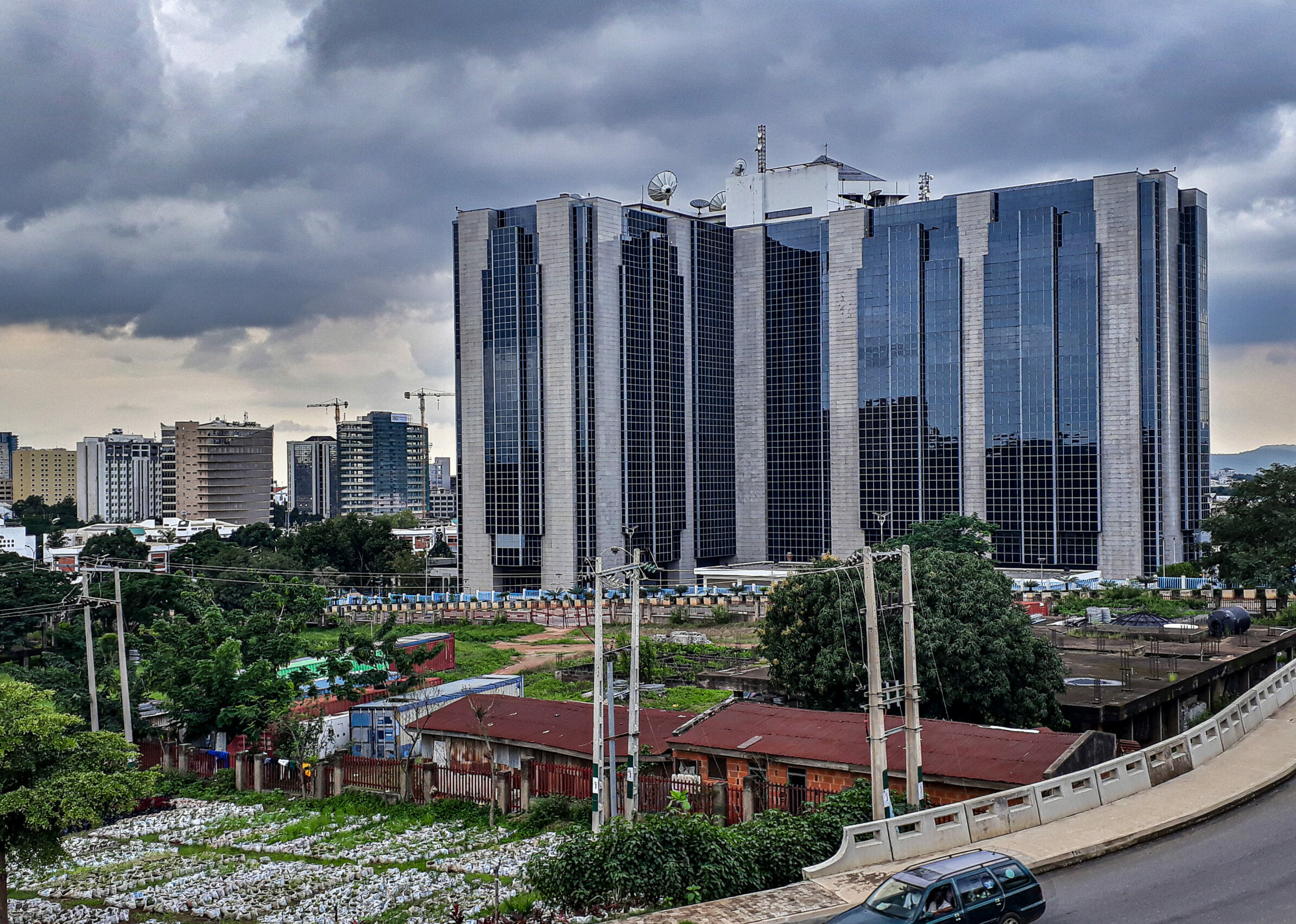
The Central Bank of Nigeria (CBN) recently released its audited financial statements for 2025. Many praised the report, saying it shows how Governor Olayemi Cardoso is working to improve efficiency and change the bank's direction. The bank's recent history and the need to manage the economy well support this move. The numbers in the financial statement look good at first glance. Group personnel expenses dropped from ₦608.5 billion in 2024 to ₦416.3 billion in 2025, a 31.6 percent decrease. At the bank level, the drop was 32.4 percent, going from ₦595.9 billion to ₦402.8 billion.
Despite this drop, some people are worried about whether it really shows better efficiency at the CBN. One key reason for this concern is that the 2024 personnel expenses were very unusual. In 2024, the bank's spending on personnel more than doubled, but wages and salaries did not. This change is important to understand: the rise in costs came from payments for staff leaving, which increased from ₦37.8 billion in 2023 to ₦306.6 billion in 2024. This means the big jump in expenses in 2024 was mainly due to an exit program for staff, not because of a rise in regular salaries. In fact, group wages and salaries went up from ₦47.0 billion in 2023 to ₦55.6 billion in 2024, which is an 18 percent increase. At the bank level, the rise was just over 4 percent. By 2025, other staff expenses fell to ₦87.1 billion from ₦306.6 billion.
Given that unusual costs drove most of the drop in total personnel expenses, can we say the changes from 2024 to 2025 show real improvements in how the CBN runs its business? PREMIUM TIMES thinks this is the case. We also know that when Olayemi Cardoso became governor in September 2023, the bank had many staff members who were hired for political reasons by the previous governor, Godwin Emefiele. Cleaning up the CBN's payroll was necessary and helpful.
Still, it is strange that while other staff expenses fell in 2025, wages and salaries went up slightly from ₦55.6 billion to ₦56.2 billion. Other allowances for staff increased significantly, from ₦191.9 billion to ₦226.1 billion. So, it is hard to completely accept the CBN’s claim of better efficiency just because the main personnel number has fallen. For real improvements in productivity across Nigeria, we need to talk more about these issues.
If the goal of Cardoso’s CBN restructuring is to make the bank leaner and more efficient, we need to know what happened to the regular costs of running the bank after the special exit payments were removed. It is hard to ignore that the 2025 figure is still ₦416.3 billion, which is about 41 percent higher than the ₦295.4 billion recorded in 2023.
We do not think this shows that the efforts to reposition the CBN are failing. It does not mean personnel costs are too high either. There could be good reasons for this, like changes in pay, allowances, staffing, and other needs. But it does mean that the 31.6 percent fall from the unusual 2024 figure is not enough proof of better efficiency.
At this point, we invite the CBN and those interested in Nigeria’s economy to look beyond just the headlines. We need to ask: How many employees did the CBN have in 2023, 2024, and 2025? How much did the exit program reduce the permanent workforce? What is the cost per employee? What is included in the ₦226.1 billion of other staff allowances? How much of the ₦87.1 billion of other expenses in 2025 is due to restructuring or other special items?

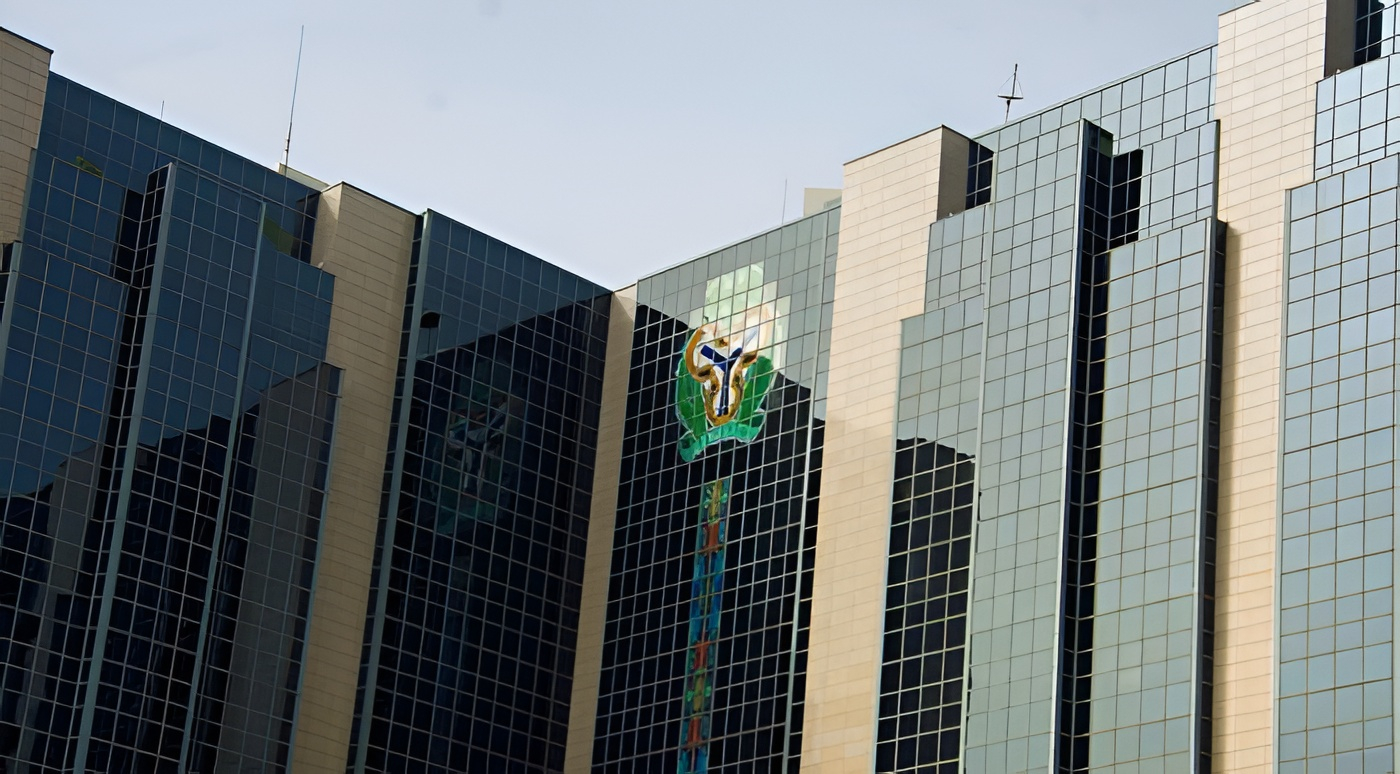
There are many questions, and the challenge for transparency and good governance is strong. For PREMIUM TIMES, the biggest question is whether the cost of what the CBN produces has fallen. This is what real efficiency means. A place does not become more efficient just because it spends less. Efficiency means getting the same or better results with fewer resources or getting better results with the resources used.
We believe this difference is especially important for a central bank. The CBN's job is not just about how big its staff is. It must handle monetary policy, supervise the financial system, manage currency, and maintain payment systems effectively. A smaller bank that does these jobs poorly would not be an improvement.
Can we draw a fair conclusion from the numbers? Yes. The Cardoso administration deserves credit for cutting personnel spending after the high costs of the 2024 exit program. But it cannot ignore the potential impact of pending lawsuits from senior staff who claim their dismissals were wrongful. Is the difference between a big drop in unusual expenses and real proof of improved efficiency a small one? No.
This distinction matters when looking at financial results versus performance assessments. While the CBN may be on its way to repositioning itself, the tougher question is whether, after the restructuring costs are gone, Nigerians will see a central bank that is not just cheaper to run, but also better, more focused, and more productive.
This is the real test of efficiency that will matter. The cost of restructuring has gone down. Now we need to see the benefits.




Drop your comment
No comments yet — be the first to drop the gist 👇