Civil society groups and anti-corruption agencies have asked for stronger laws to protect whistleblowers. They believe this will help Nigeria fight corruption and recover stolen assets more effectively.
The call came during a workshop held in Abuja on Wednesday. Participants said whistleblowing is one of the best ways to expose corruption. But they pointed out that without proper protection, people who share information are at risk of retaliation.
The workshop was organized by the Human and Environmental Development Agenda (HEDA) Resource Centre with the help of the Platform to Protect Whistleblowers in Africa (PPLAAF).
The event, titled “Strengthening Anti-Corruption Capacity & Asset Tracing Frameworks in Nigeria,” brought together civil society groups, anti-corruption agencies, lawyers, journalists, and other stakeholders. They discussed how to improve the tracing and recovery of assets as well as public accountability.
Arigbabu Sulaimon, Executive Secretary of HEDA, welcomed everyone on behalf of the chairperson, Olanrewaju Suraju. He talked about how illicit financial flows and systemic corruption threaten Nigeria's economy, public infrastructure, and national security. He said, “Over the past two decades, the nature of financial crime has undergone a radical revolution.”
Sulaimon explained that traditional ways of stealing public funds have changed. Now, financial crime involves complex global networks, offshore shell companies, nominee directorships, legal trusts, and high-value properties in places like Dubai, London, and the US.
He stressed the need for a joint action plan. This plan should create clear protocols for sharing intelligence between agencies and recovering assets to boost the anti-corruption fight.
The first technical session focused on “Using Open Source Intelligence and Community-Led Mechanisms to Tackle Illicit Assets and Public Expenditure” and “Improving Institutional Protections and Safe Reporting Channels for Whistleblowers.”
This session included civil society and public institution representatives. Some participants were Mr. Sulaimon from HEDA, Muhammad Gimba, Senior Specialist/Data Analyst from Connected Development (CODE), and Thaddeus Jolayemi, Acting Head of Open Governmental and Institutional Partnership at BudgIT.
Others included Godwin Onyeacholem, Programme Manager at the African Centre for Media & Information Literacy (AFRICMIL), and Bathsheba Tagwai, Senior Legal Officer and Programme Manager at the Civil Society Legislative Advocacy Centre (CISLAC).
The panel emphasized the importance of whistleblowing in fighting corruption. They expressed concern that Nigeria lacks proper protection for whistleblowers. The civil society groups linked whistleblowing to freedom of expression and speech. They argued that people cannot freely exercise these rights if they fear retaliation for exposing wrongdoing.
The panel also highlighted challenges like limited institutional capacity, poor coordination, lack of access to information, and absence of political will as major barriers to effective anti-corruption measures.
They found it embarrassing that Nigeria does not have a dedicated whistleblower protection law, while countries like Ghana, Liberia, and Senegal have such laws in place. They noted that a Whistleblower Protection Bill is already in the National Assembly and called for quick action to make it law.
The panel reviewed how beneficial ownership information helps trace assets hidden through companies. They said changes to company laws and the introduction of beneficial ownership registers have helped “lift the corporate veil” that allowed people to hide behind companies.
But they also noted that complex offshore structures still make it hard for investigators to find the real owners of assets. They identified real estate as a major concern, as stolen funds can be funneled into properties through shell companies, making it hard to trace true ownership.
The CSOs urged investigators to look beyond names on property and corporate documents. They should identify who truly controls or benefits from assets. They also called for thorough investigations before allegations are sent to anti-corruption agencies.
They said open-source information can provide leads but needs to be verified through physical checks and proper documentation. They encouraged investigators to find out how funds were released and what the government actually spent.
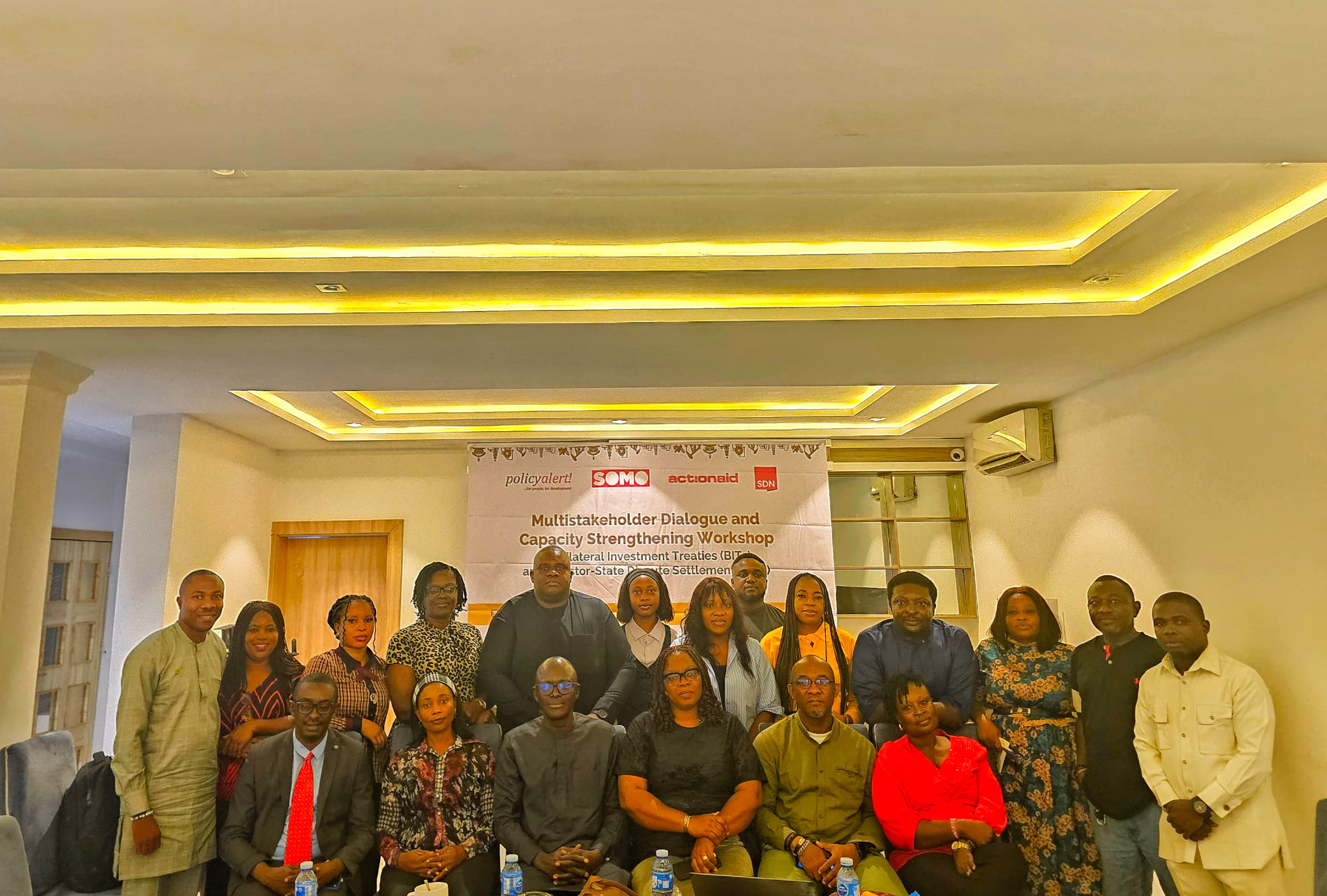
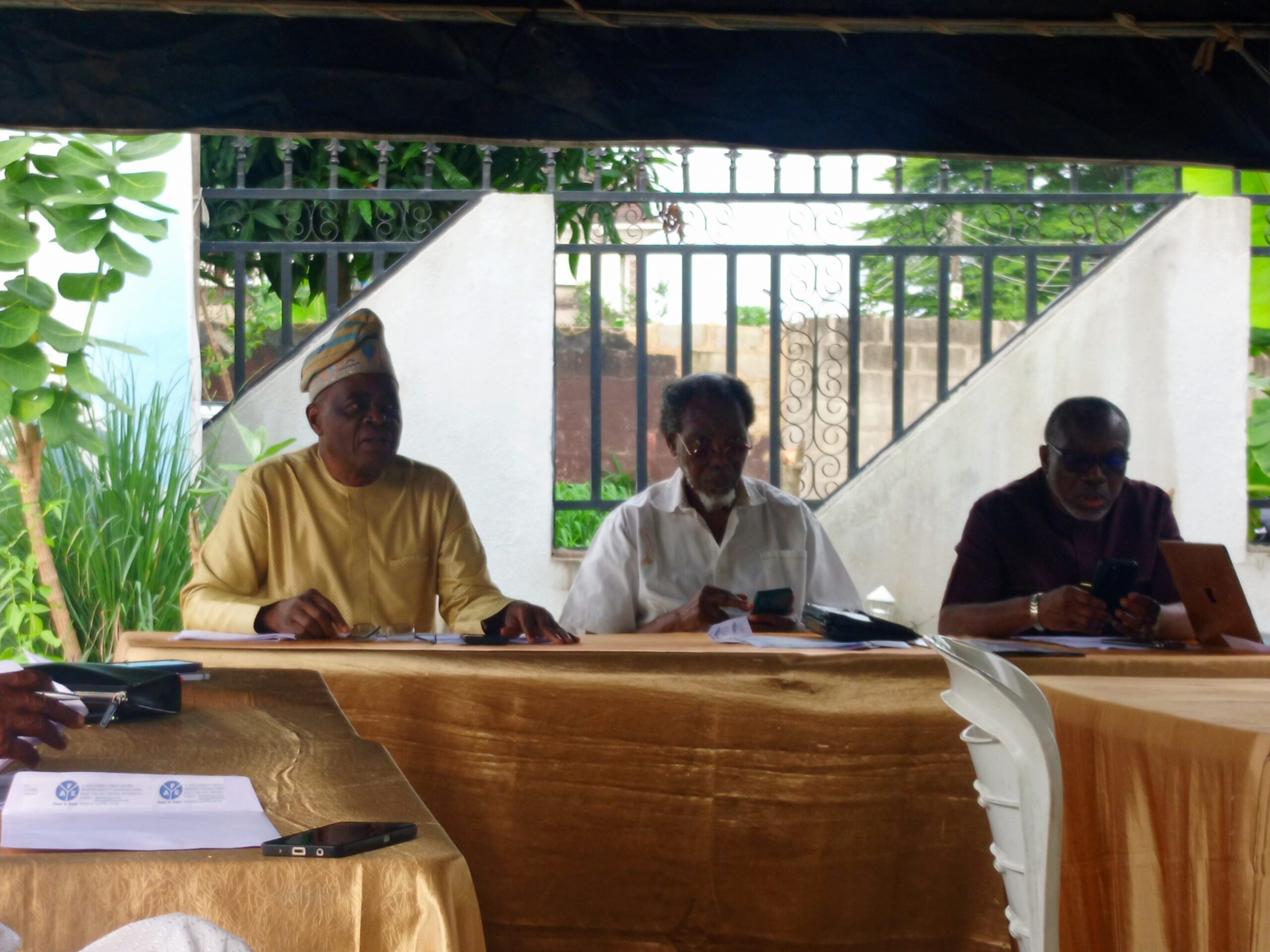
At the end of the session, they proposed a unified system to gather ownership information. This would help identify people behind companies and trace hidden wealth more easily. They called for better cooperation between the Corporate Affairs Commission (CAC) and anti-corruption agencies like the Economic and Financial Crimes Commission (EFCC) and the Independent Corrupt Practices and Other Related Offences Commission (ICPC).
Another panel discussed challenges faced by institutions trying to trace and recover illicit assets. They pointed out that access to information is a major problem. Anti-corruption investigators often need information from banks, corporate registries, and government institutions before they can trace assets.
The panel members said it becomes harder when assets are moved across borders, especially when foreign banks delay or ignore requests for information. They stressed the need for reliable beneficial ownership information and better links between databases.
They also highlighted evidence gathering as crucial to the asset recovery process. They called for better coordination among anti-corruption agencies so that information from one agency can help another.
The panel discussed using international platforms like the UN Office on Drugs and Crime-backed GLOBE platform to share information securely across borders. The keynote speaker, Abdullahi Shehu, a former Director-General of the Inter-Governmental Action Group against Money Laundering in West Africa (GIABA), urged a stronger focus on preventing corruption and tracing illicit assets.
Mr. Shehu, now a criminology and security studies professor, said effective anti-corruption efforts need a mix of laws, policies, and institutional measures. He emphasized that prevention should be a priority to reduce enforcement costs and efforts.
He suggested 12 priorities to strengthen Nigeria's anti-corruption and asset recovery framework. These include giving more independence to anti-corruption agencies, fully implementing the Proceeds of Crime Act (POCA), and improving coordination among agencies.
He also called for better international cooperation, transparent management of recovered assets, faster court proceedings, improved public procurement controls, and stronger protections for whistleblowers and witnesses.
Mr. Shehu stressed that Nigeria must improve its system for identifying who owns or controls assets. He noted that current databases are often unreliable or hard to access. He argued that anti-corruption agencies need to work together rather than as separate entities.
He pointed out that civil society organizations and the media also have key roles in monitoring public spending, investigating corruption, and demanding accountability. They should use the Freedom of Information Act to get information on government contracts and budgets, and take legal action if necessary.
He called for ongoing advocacy for a Whistleblower Protection Act and better mechanisms for anonymous reporting. He reiterated the concerns about retaliation against those who expose corruption.
Regarding recovered assets, Mr. Shehu said they should be treated as a public-interest issue. The assets belong to citizens affected by corruption. He warned that if recovered money is returned to systems where it can be stolen again, it defeats the purpose of recovery.
He urged citizens to take an active role in governance and elections. He said, “A nation cannot defeat corruption if corruption decides who leads it.”
Nigeria's Whistleblowing Policy started in December 2016 under President Muhammadu Buhari to encourage citizens to report financial crimes and misappropriation of funds. The Senate passed the Public Interest Disclosure and Complaints (Enactment) Bill, 2022, also known as the Whistle Blower Bill, in March 2022.
The National Assembly listed the Whistle Blowers Bill, 2023 (SB. 286), but there is no record showing that the 2023 bill became law or was sent to the President for approval.


Drop your comment
No comments yet — be the first to drop the gist 👇