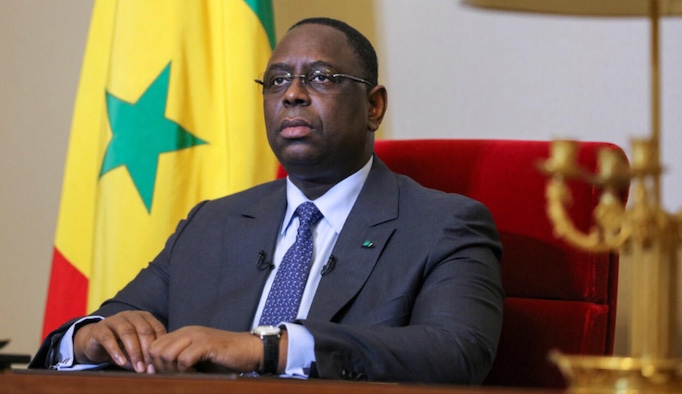
Former Senegalese President Macky Sall has dropped his bid for the United Nations secretary-general position. This decision comes after opposition to his nomination and issues with how the African Union endorsed him.
In a post on X on Saturday, Sall said he made this choice after an informal vote on October 16 and talks with Burundi’s President Évariste Ndayishimiye and Senegalese President Bassirou Faye. Ndayishimiye is currently the chairperson of the African Union, while Faye chairs the Economic Community of West African States.
“Following the informal vote on October 16, 2026, for the election to the position of Secretary-General of the United Nations, and after consultations with His Excellency Mr. Evariste Ndayishimiye, President of the Republic of Burundi, current Chairperson of the African Union, and His Excellency Bassirou Diomaye Diakhar Faye, President of the Republic of Senegal, current Chairperson of ECOWAS, I have decided to withdraw my candidacy for said position,” he stated.
Sall’s nomination faced problems mainly due to how he got support from the continent. Several countries, including Nigeria, raised concerns about the nomination process and how it was handled.
Issues with AU Endorsement
Sall was initially put forward by Burundi. Ndayishimiye took over as the AU chair on February 14. This raised doubts about whether the nomination was a national effort or a wider African agreement.
The AU rules say that candidacies must be reviewed by the Committee of Permanent Representatives and the Ministerial Committee before going to the Executive Council. This process is meant to allow member states to discuss and agree.
But Sall’s name was not on the list of African candidates presented at the February AU summit. It was not officially discussed by the heads of state, according to a report by Jeune Afrique.
Burundi then shared a draft decision with UN and AU member states to try to get formal support for Sall. This draft gave a 24-hour deadline for objections. To block the endorsement, at least one-third of eligible member states had to object. Only countries that had paid their AU dues and were not suspended could object.
Twenty AU member states spoke up, including Algeria, South Africa, Liberia, Nigeria, and Rwanda. Fourteen officially objected, while six, including Egypt, asked for more time.
Senegal also distanced itself from the process, saying it was not involved in Burundi’s effort. Egypt and Liberia later withdrew their objections, but this did not change the situation.
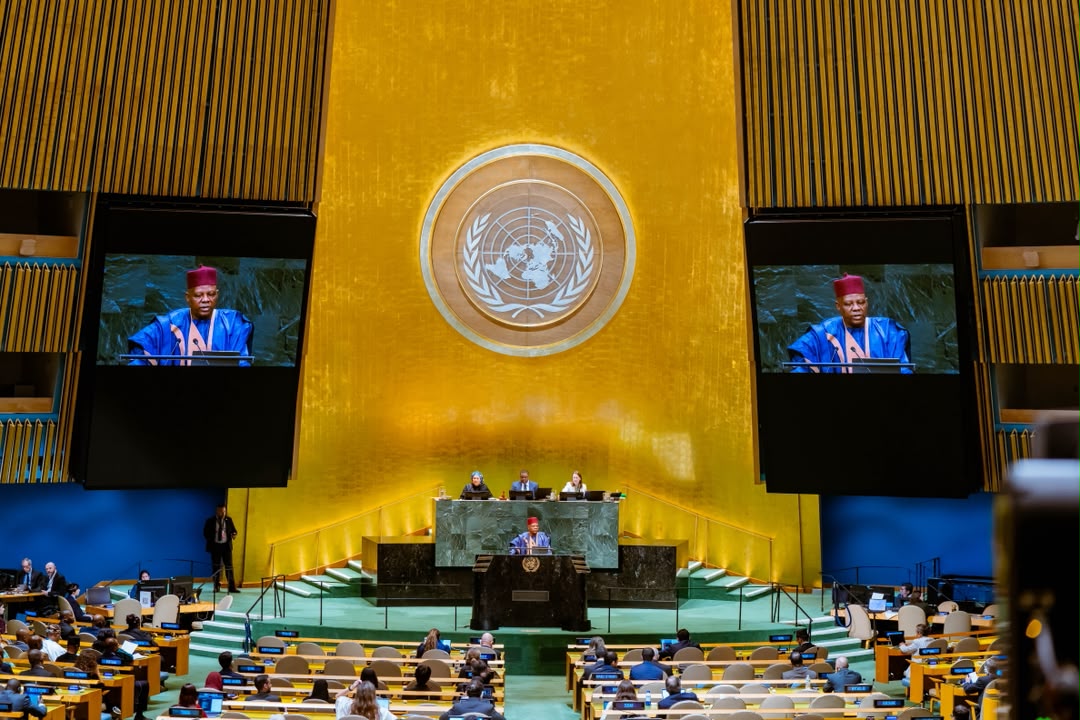
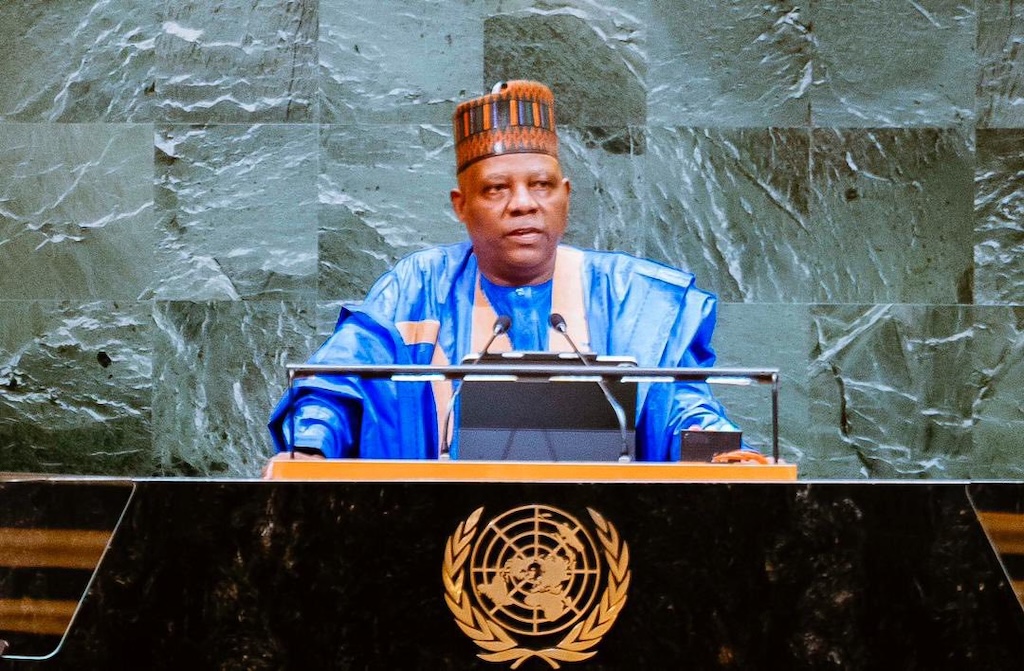
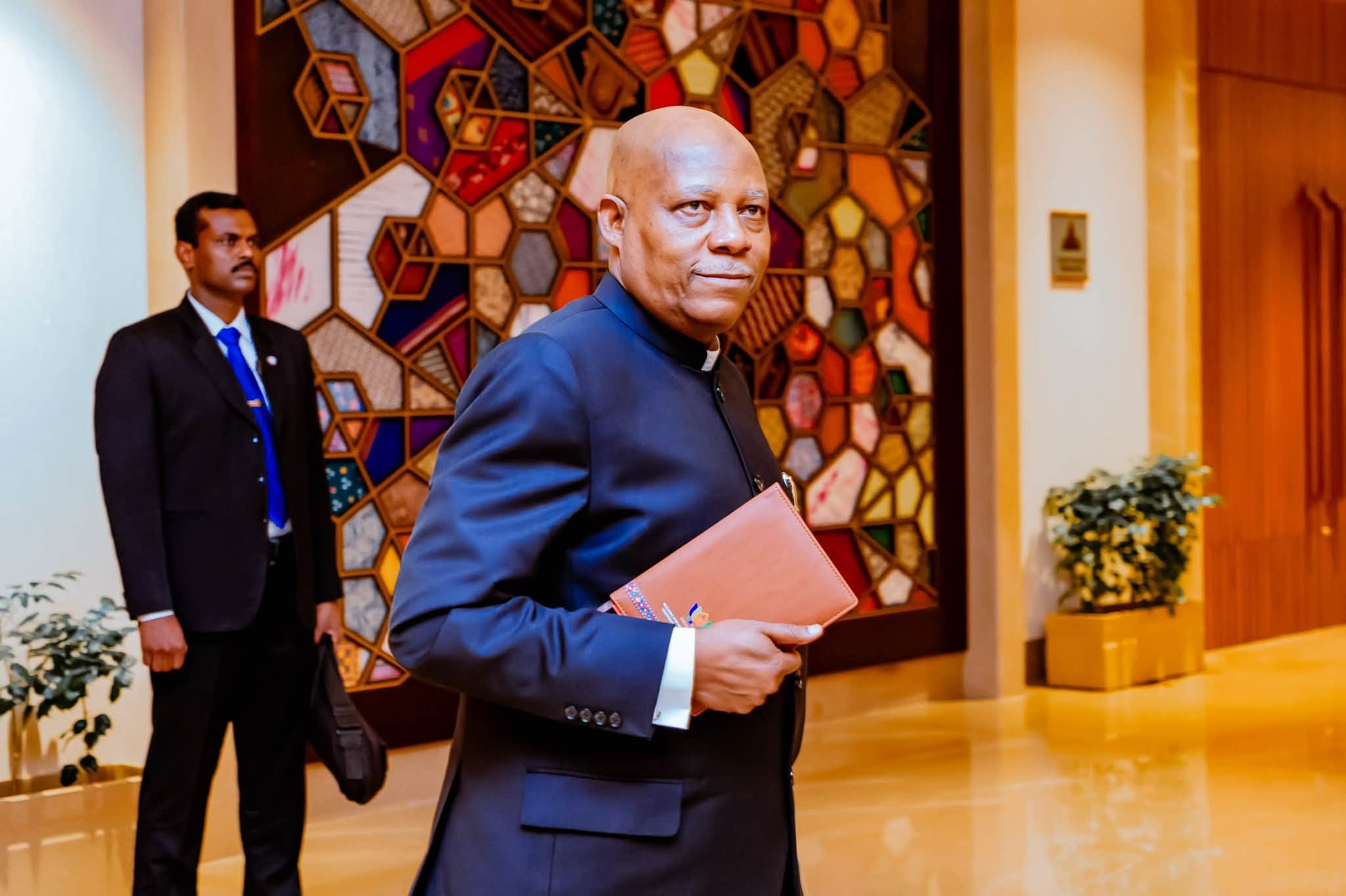
The concerns mainly focused on how the process was handled. Many countries felt the silence procedure was not right for such an important decision. They said it did not allow for enough discussion and set an unreasonably short deadline.
Nigeria’s Objection to the Nomination
In April, PREMIUM TIMES reported that Nigeria had raised concerns about the AU naming Sall as its consensus candidate for the UN job. Nigeria called the process flawed and not in line with established diplomatic practices.
Nigeria pointed out that the tradition is for the next UN secretary-general to come from Latin America and the Caribbean. They noted that the AU considers the Caribbean as its sixth region.
Nigeria warned that going ahead with Sall’s nomination could hurt Africa’s standing and interests in the international community. “The Federal Republic of Nigeria sees no rationale in violating the time-honoured principle of continental rotation in the appointment of the United Nations Secretary-General,” a Nigerian diplomatic note stated at the time.
“By jettisoning this established practice, the African Union is putting its position and interest in jeopardy now and in the future,” it added. Nigeria also felt blindsided by how quickly the decision was made and the little time given to assess the nomination.
The Future of the UN Secretary-General Position
The UN secretary-general position will be open at the end of António Guterres’ term in December 2026. The choice of his successor has drawn international attention. Support from regional groups is seen as a key advantage for candidates.
Even though the position usually follows a regional rotation, Guterres, a former Portuguese prime minister, was elected in 2016 when it was expected that Eastern Europe would have its turn. Latin America and the Caribbean are next based on the informal rotation rules, though these rules are not mandatory.
Drop your comment
No comments yet — be the first to drop the gist 👇