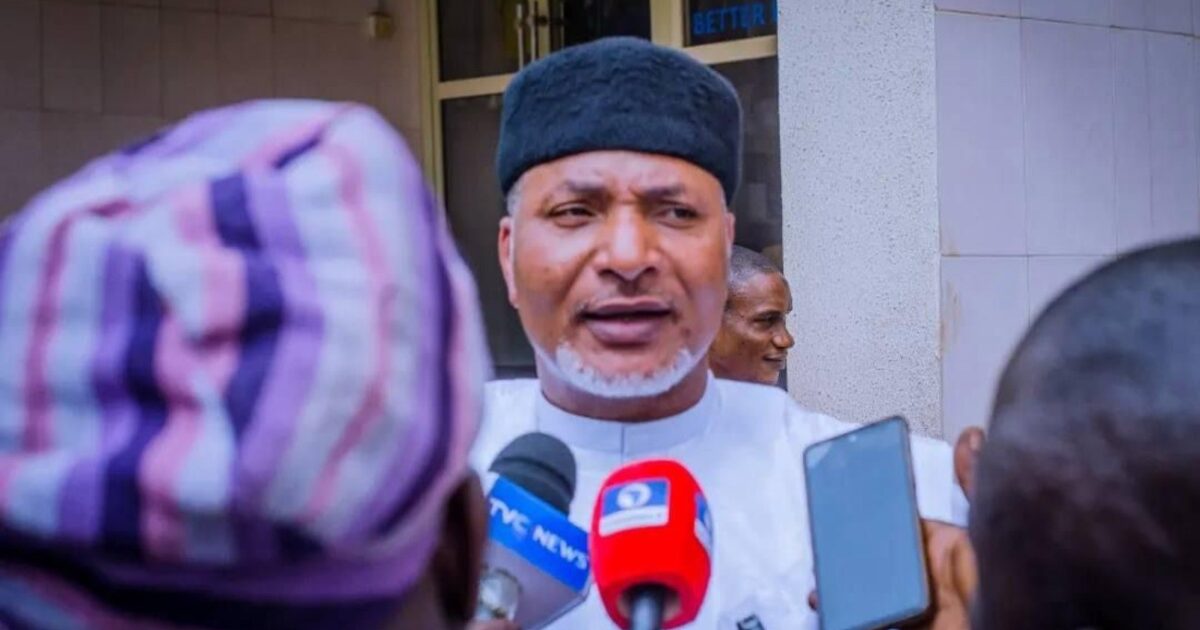
Former Director General of the Progressives Governors Forum, Salihu Lukman, has said that opposition parties looking to join forces against the ruling All Progressives Congress may unite behind a single presidential candidate just days before the 2027 general election.
Lukman, who leads the political group G-100, stated that the parties are dedicated to the cause and have taken control of talks to avoid splitting opposition votes.
He spoke on Channels Television’s Hard Copy on Saturday. He believes the parties will come to a decision on a common candidate despite ongoing disagreements and a lack of trust among their leaders.
“I can tell you categorically, and my confidence about that comes from what I see in the leadership of the parties: they are committed and they are working, taking all the steps necessary.
“So it could be two months, some weeks to the election, or a few days to the election, they will come out and tell Nigerians this is the direction, and everybody will queue,” he said.
Lukman mentioned that the discussions have grown beyond the six political parties that initially joined. They are making efforts to include more parties in the proposed alliance.
“They are also working to expand; they are reaching out to other parties,” he said.
The G-100 was formed to unite opposition forces after an all-opposition summit in Ibadan in April 2026. Participants agreed to pursue a common presidential candidate against the ruling APC.
However, Lukman noted that the process has moved beyond just this pressure group. Now, political parties and their presidential candidates are leading talks to build the needed trust for a possible alliance.
“When the parties owned the process we had started and took it beyond, took it out of our hands and began to engage each other based on the need to develop the kind of confidence they need to trust one another,” he said.
He pointed out that the biggest challenge to reaching an agreement is the lack of trust among opposition parties and their candidates.
He said a summit held on August 31 agreed to set up five working groups. One of these groups will focus on selecting a consensus presidential candidate.
Each party will nominate representatives through its presidential candidate or party leadership, according to the agreed terms.
“The collegiate is basically about ensuring that both the parties and their candidates are the ones taking the decisions, and at the same time, the people doing the work are people who have the mandate of both the parties and the candidates, not anybody from outside,” he said.
On worries that supporters of former Labour Party presidential candidate Peter Obi, former Vice-President Atiku Abubakar, and the Kwankwasiyya movement might resist supporting another candidate, Lukman cautioned opposition figures against rigid stances.
“Taking a hardline position, a rigid position, is almost like working for the APC and the Tinubu government at this point,” he added.
He pointed out that many who signed the G-100’s open letter supported either Obi or Atiku. He urged them to put national interest above personal political goals.
According to him, the group has told its supporters that “the country is superior to any individual.”
Lukman also referred to a recent statement by John Cardinal Onaiyekan on Channels Television. He argued that opposition candidates cannot split votes among themselves and still hope to beat the ruling party.
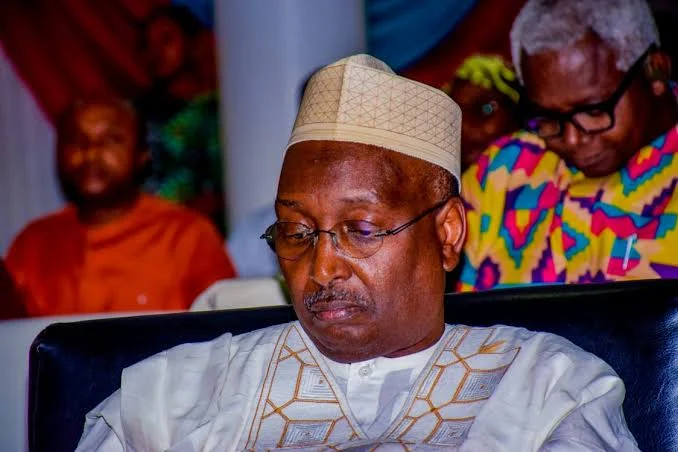
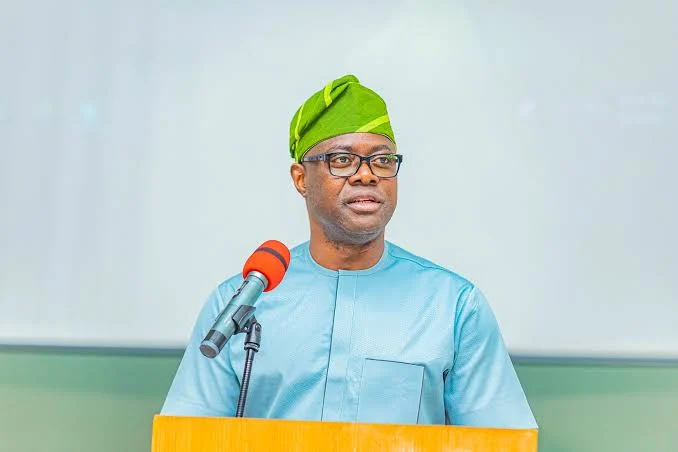
“The arithmetic is simple: you can’t split votes five ways and expect victory in one of you,” he said.
The issue of opposition unity is still a big challenge as the 2027 elections approach. Notable political figures and parties are looking for alliances because multiple presidential candidates could split votes that might otherwise help a single strong challenger to President Bola Tinubu.
When asked how the parties would handle their policy differences, including the Social Democratic Party (SDP) candidate’s idea for a starting petrol price of N300 per litre, Lukman said the goal is not to merge their manifestos.
“It’s not harmonizing manifestos, it’s basically to come up with a minimum programme of action which the government to be produced post-2027 will prioritize implementing,” he said.
He explained that they would agree on this programme before choosing a consensus candidate. This way, whoever emerges will be committed to the common priorities.
All candidates will agree to the programme ahead of time so that “in the event that any of them emerge as the candidate there is no debate.”
Lukman added that this groundwork should not be too hard since the various presidential campaigns have already created their policy positions.
“I’m sure the Peter Obi campaign has also done some work, I am also sure Prince Adewole Adebayo and all the other candidates have also done their own work,” he said.
He stressed that the chosen candidate could come from the African Democratic Congress (ADC), another participating party, or a new party formed through an alliance.
“It could be ADC, it could be any other party, or it could be an alliance that will produce a new party,” he emphasized.
Lukman dismissed claims that he is pursuing personal political goals through this coalition-building effort.
“I don’t have ambition to contest election and I don’t have ambition to hold any appointive or elective office,” he said.
He warned that holding on to individual candidacies for too long could hurt the opposition’s chances. He urged politicians to understand that only one person will eventually become president.
“Politicians can lie to themselves, and at the end of the day let the candidates continue to hang on to their candidature, at the end of the day only one person will be president of the Federal Republic of Nigeria,” he said.
Lukman also talked about his earlier withdrawal from the ADC, saying it was due to internal issues in Kaduna State. He has since returned to the party.
He explained that his worry was that the ADC might create the same problems found in the established political parties that the opposition wants to change.
He said he feared the party was “shifting to a direction where we will end up reproducing the old parties we have left.”
His comments come as opposition parties struggle to turn discussions about a united front into a working political plan. They need to agree on a candidate, a shared policy agenda, and a structure that can gain support from their different constituencies ahead of the 2027 presidential election.
Drop your comment
No comments yet — be the first to drop the gist 👇