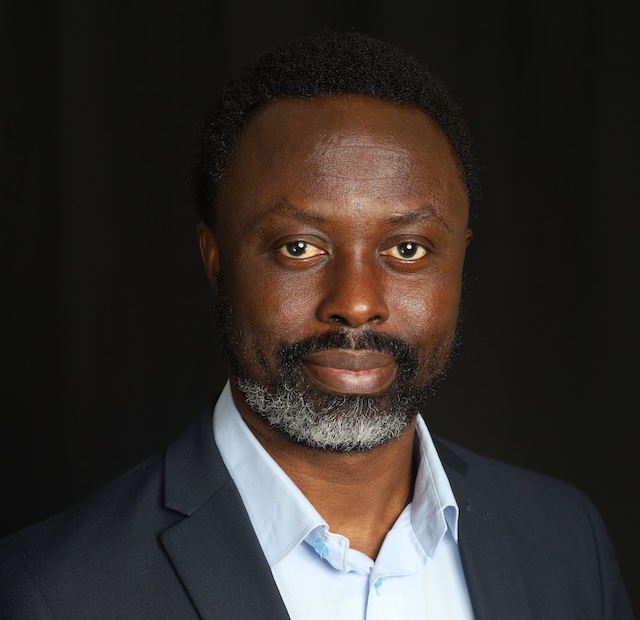
Markets do not need perfect governments. They need trustworthy institutions. The way the Presidency is handling claims about a so-called "ghost agency", the Presidential Economic Advisory Council, and its Director-General, Prince Adeniyi Adeyemi Matthew, is risking that trust. The situation gets more complicated with the reported involvement of President Bola Tinubu’s Chief of Staff, Femi Gbajabiamila, who is a former Speaker of Nigeria’s House of Representatives. If this issue is not handled, it could shift focus from the claims to a bigger problem: the loss of trust in our institutions. This could lead to a governance crisis larger than the allegations themselves.
For President Tinubu, the main issue is no longer whether Adeniyi’s claims against Gbajabiamila are true. That is for investigators and the courts to decide. The immediate concern is whether Nigeria’s institutions can operate freely and fairly without political interference.
This matters because trust is essential for both democracy and investment. It is built less on official denials than on the credibility of the institutions making those denials. By quickly trying to discredit the accuser while also clearing one of the most powerful officials in government, the Presidency has turned what could have been a simple criminal investigation into a bigger test of Nigeria’s governance.
To be clear, neither Gbajabiamila nor Adeyemi should be judged by public opinion. The Chief of Staff deserves to be presumed innocent. Adeyemi should also be treated the same way until the legal process is complete. But the Presidency has a different duty. It is not just to defend its officials but to ensure the integrity of the institutions that the public trusts.
That is why we need an independent inquiry. Not because someone is guilty, but because trust is lacking. History teaches us hard lessons about how governance failures can hurt the market. In Malaysia, the 1MDB scandal began in the early 2010s under then Prime Minister Najib Razak and resulted in global enforcement actions by 2018. About US$4.5 billion was misappropriated, according to the U.S. Department of Justice. Settlements and asset recovery have reached several billions of dollars, but full restitution is still not done. During the crisis, Malaysia saw capital outflows, ringgit depreciation, and a drop in investor confidence before any legal conclusions.
Similarly, in South Africa, the years of “state capture” during Jacob Zuma’s time, especially from the mid-2010s to his resignation in 2018, left a significant economic impact. The Zondo Commission found many procurement irregularities in state-owned companies, with losses hitting tens of billions of rand. Independent estimates of the total impact range from tens to over 100 billion rand (around US$5, 10+ billion depending on exchange rates). The overall cost was even higher: increased risk for investors, lower investment inflows, and slower growth as institutions were seen as compromised.
The common issue is not just the scale of the wrongdoing, but how the market reacts to lowered institutional credibility. Investors judge governance just as closely as they judge economic conditions and often do it much sooner. Nigeria can learn important lessons from this. We cannot continue with a governance approach that ignores investors’ trust.
The Presidency has strongly claimed that Adeyemi ran a fake government agency, forged appointment letters, had many bank accounts, and impersonated public officials. It says the Office of the Chief of Staff reported to security agencies in 2025 after finding the alleged scheme, and that criminal cases are already in the Federal High Court. These claims might be proven in court.
But these official statements have not answered the bigger governance questions raised by lawyers, opposition members, and parts of civil society. If the agency was fake, how did it interact with government entities? If forged documents went through several ministries, where did the system fail? If concerns reached different agencies before the fraud was found, what does that say about weaknesses in the Nigerian state? These are questions that go beyond one person's legal problems.
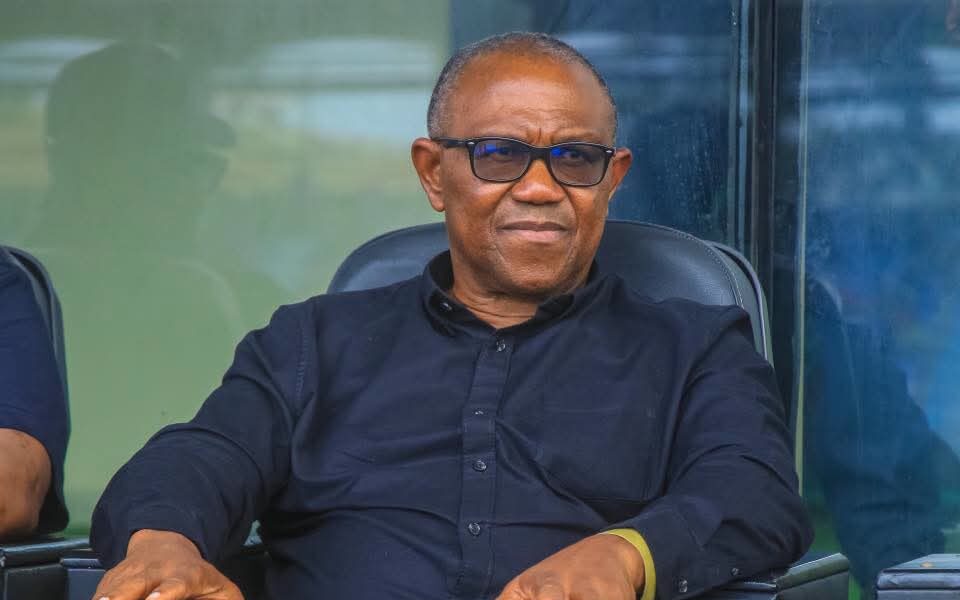
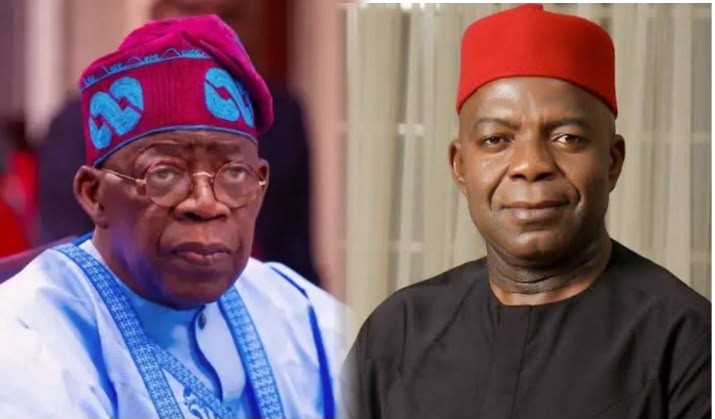
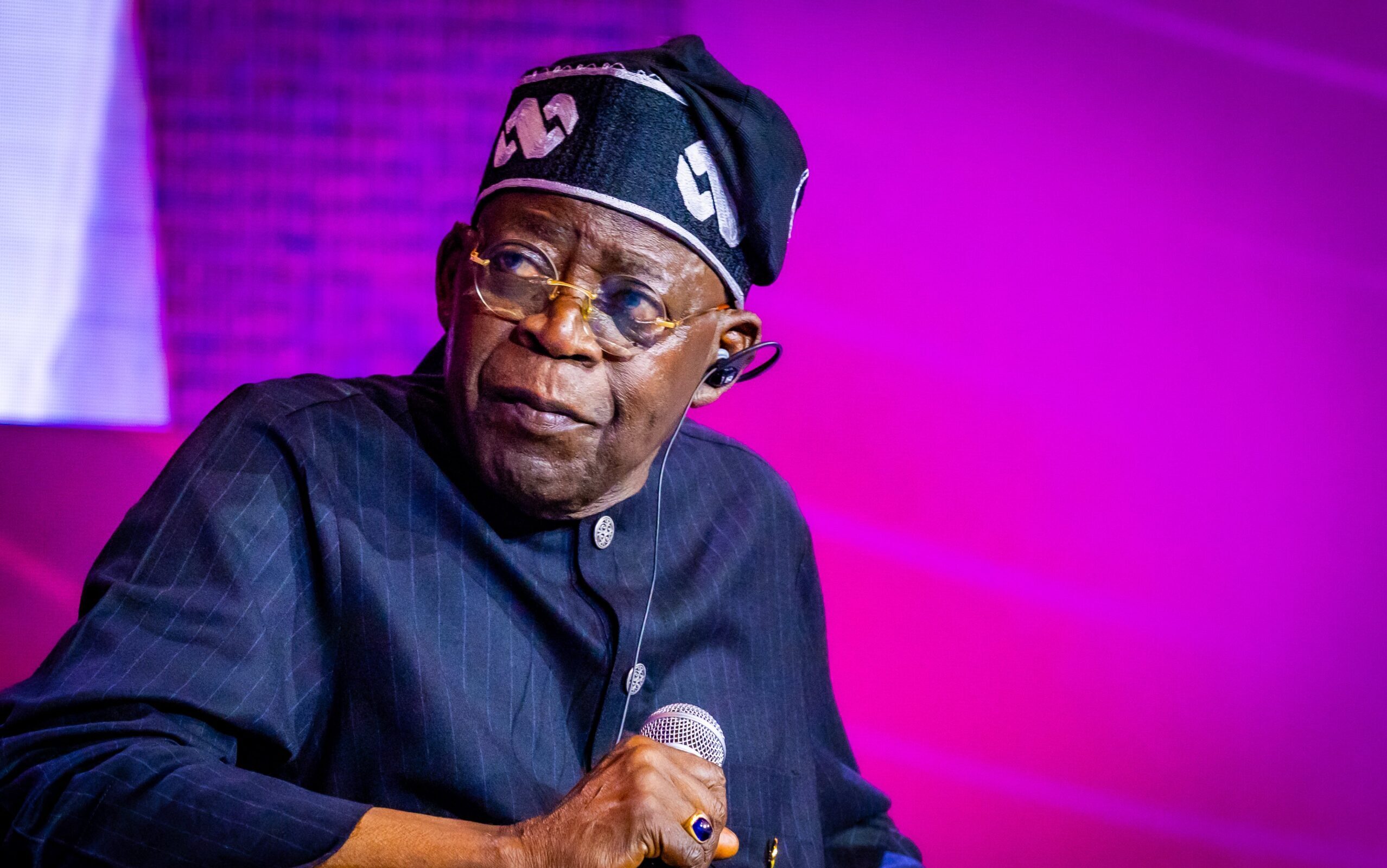
Human rights lawyer Femi Falana made the constitutional issue clear when he said the Presidency has no right to clear anyone accused of corruption. That duty belongs to independent investigative bodies free from executive control. Whether you agree with Falana or not, his point shifts the focus from individuals to institutions, which is how international investors assess political risk.
President Tinubu has put a lot of political effort into making Nigeria attractive for global investment. His government has removed fuel subsidies, changed the exchange-rate policy, and repeatedly assured international markets that tough reforms are building a path for long-term growth. Those reforms should be acknowledged. But economic changes alone cannot make up for perceived governance weaknesses. Investors can deal with inflation, currency changes, and fiscal deficits. But they are much less patient with uncertainty about institutional integrity.
Political risk often comes not from the allegations themselves but from the idea that governments do not hold senior officials to the same standards as ordinary citizens. In mature democracies, stepping aside while under investigation is not seen as an admission of guilt. It is often seen as a way to show that public service is meant to support institutions, not individuals.
President Tinubu has a chance to turn this potentially damaging situation into a sign of democratic strength. He should set up an independent panel led by retired judges, with support from forensic accountants, respected anti-corruption experts, and experienced public managers. This panel should look beyond the claims against the Chief of Staff to include the institutional failures that allowed this issue to happen. Every relevant document, financial record, appointment process, and budget trail should be examined. The results should be published as they are.
If Gbajabiamila is fully cleared, no presidential statement could restore his reputation as well as an independent report accepted by all sides. If wrongdoing is found, strong accountability would send a critical message that no official is above the law.
Back in 1999, at the start of our new democracy, Salisu Buhari was Speaker of the House of Representatives. He was caught in a forgery scandal for faking a Bachelor’s degree from the University of Toronto and lying about his age to meet the requirement of 30 years old to serve in the House. He was just 49 days into his role. He resigned on July 22, 1999, and was convicted. This shows how to clean up our governance, build trust with investors, and truly renew hope in democratic governance without nightmares.
This is the choice facing the Presidency. It can chase today's headlines, or it can strengthen the institutions that tomorrow's investments rely on. Only one choice will convince both Nigerians and international markets that the country’s reform plans are based not just on bold economic goals but also on the rule of law.
Drop your comment
No comments yet — be the first to drop the gist 👇