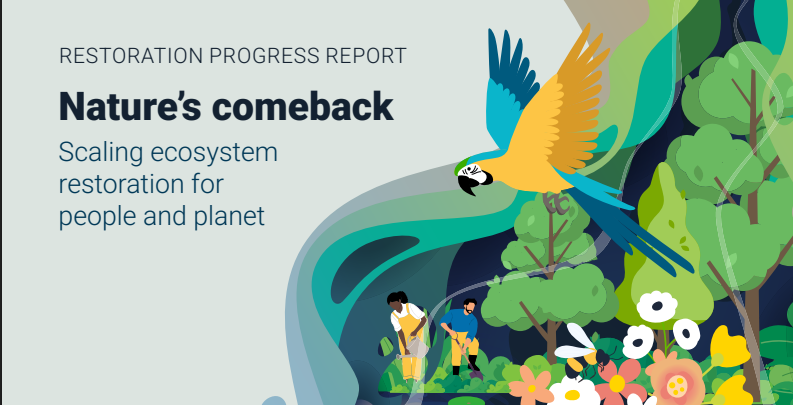
A UN report released today shows that 252 million hectares across 149 countries are being restored. This effort has created over one million green jobs, marking the largest global restoration project ever documented.
To meet the 2030 goals, we need to move quickly. Focus should be on freshwater, marine, and coastal ecosystems. Annual funding for restoration needs to increase more than four times. This investment could create about 32 million new jobs worldwide by 2030.
The report, titled Nature’s comeback, scaling ecosystem restoration for people and planet, is published during the UN Decade on Ecosystem Restoration (2021, 2030). It presents the first global assessment of progress in restoring around one billion hectares. It also highlights the Kunming-Montreal Global Biodiversity Framework target to ensure that by 2030, at least 30 percent of degraded ecosystems are effectively restored.
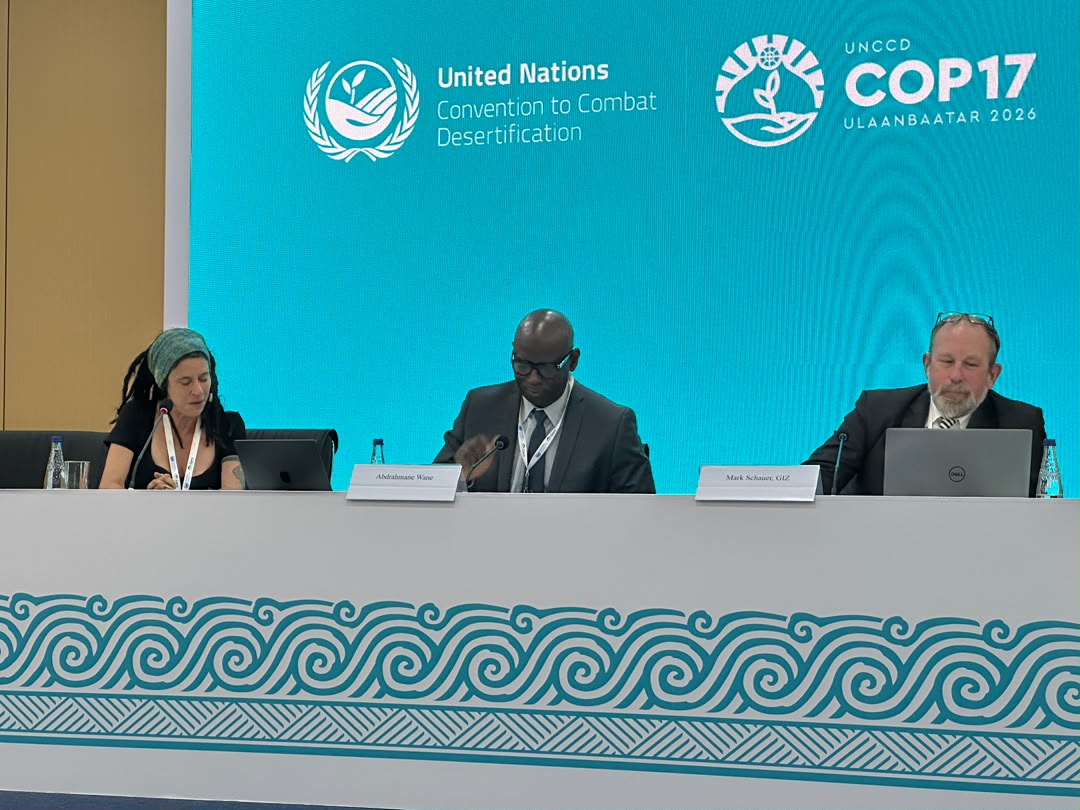
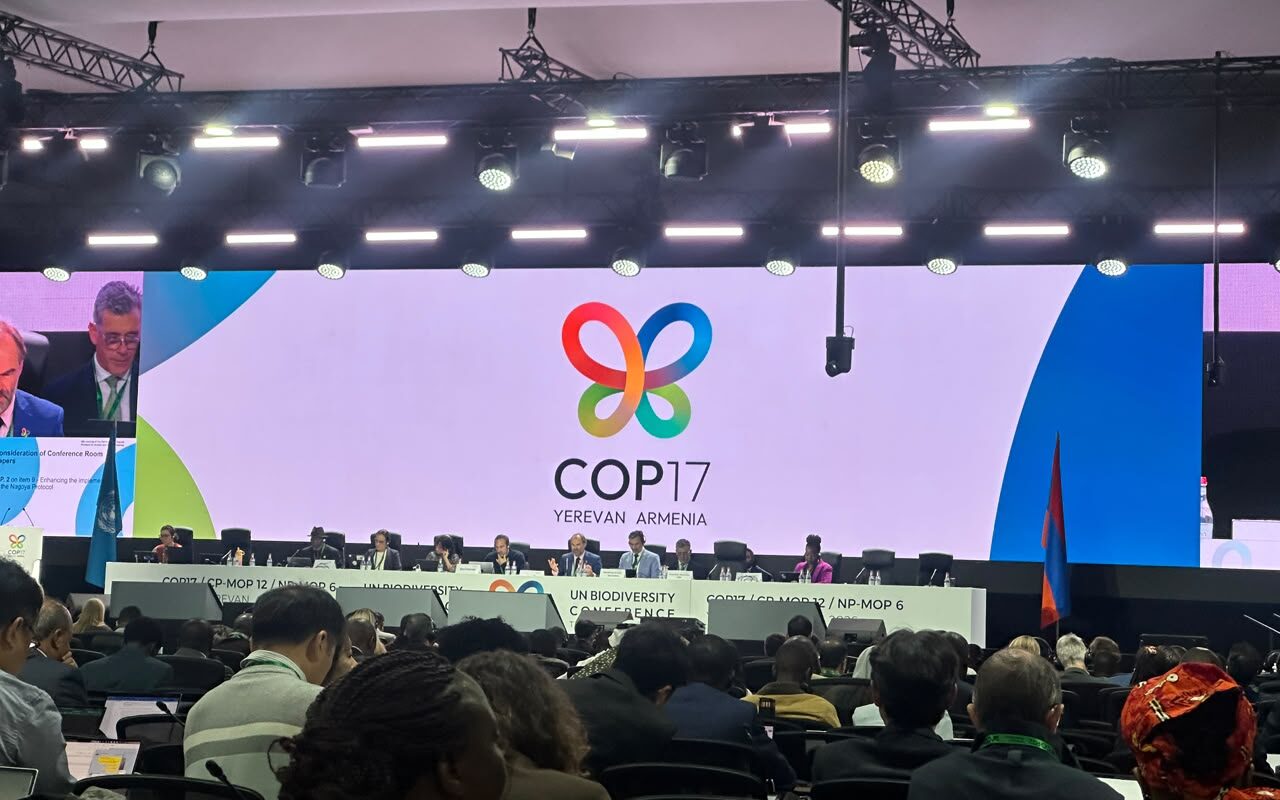
This report is a joint effort by the Food and Agriculture Organization (FAO), the UN Environment Programme (UNEP), and the Secretariat of the Convention on Biological Diversity (CBD). It was launched at a major event during the UN Biodiversity Conference (COP17). The event recognized five outstanding projects in China, Colombia, Ethiopia, Italy, and the United States as UN World Restoration Flagships, showcasing successful restoration efforts around the globe.
"Today, we are witnessing the makings of one of the largest movements for nature in recorded history," said Inger Andersen, Executive Director of UNEP. "But at the halfway point of the UN Decade on Ecosystem Restoration, we are still not restoring nature at the scale or speed needed. By 2030, we must turn inspiring initiatives into widespread action to protect what remains and restore what has been damaged."
The global push to restore nature includes not just national programs but also city projects, schools, businesses, and community efforts. Since the start of the UN Decade on Ecosystem Restoration, the network of partners has grown to over 300 organizations worldwide.
"Five years into the UN Decade, the message is clear: restoration works," said FAO Director-General QU Dongyu. "The challenge is to make restoration a key part of managing land, water, and natural resources. Healthy ecosystems are vital for better production, nutrition, and environment, ensuring a better life for everyone."
Restoring ecosystems is crucial for food and water security, climate resilience, jobs, and well-being. In total, Asia accounts for 192.2 million hectares under restoration, followed by Africa with 36.3 million hectares, Europe with 9.1 million hectares, North and Central America with 5.8 million hectares, South America with 5.4 million hectares, and Oceania with 3.2 million hectares. These figures reflect the scale of restoration activities, not the performance of restoration efforts.
Research shows that restoring just 15 percent of priority areas could capture and store 30 percent of carbon dioxide emissions since the industrial revolution. This could prevent 60 percent of species extinctions. Successful restoration examples among UN World Restoration Flagships include species recovery like mountain gorillas in East Africa, jaguars in Brazil, snow leopards in Kyrgyzstan, and Ganges River dolphins in India.

The report reveals that progress varies across ecosystems and countries. Restoration of terrestrial ecosystems has nearly met half the global goal of restoring 30 percent of degraded terrestrial areas by 2030. China leads with 127.4 million hectares under restoration, with significant areas also reported in Mongolia and Kazakhstan.
But progress is much slower for freshwater, marine, and coastal ecosystems, which are degrading quickly. Only 11 million hectares of freshwater ecosystems and 5.7 million hectares of marine and coastal ecosystems across 62 and 46 countries, respectively, are reported as restored. There is growing momentum, though, with the number of parties reporting wetland restoration programs rising from 8 percent to 54 percent since 2022. The report warns that limited reporting on aquatic restoration may underestimate the true situation.
Restoring nature for the well-being of people will need ongoing political support and a more than fourfold increase in annual restoration funding. This means jumping from US$64 billion to US$296 billion by 2030. The biggest funding needs are in agroforestry (US$87 billion), restorative reforestation (US$52 billion), peatland restoration (US$44 billion), and seagrass restoration (US$28 billion).
"We cannot expect to fix nature with one hand while we destroy it with the other," said Astrid Schomaker, Executive Secretary of the CBD Secretariat. "Governments must tackle the causes of ecosystem degradation and invest in monitoring to ensure the restoration efforts are lasting."
After 2030, restoration must continue long enough to restore ecosystem integrity and biodiversity while providing lasting benefits for communities. Secure land rights and respect for the knowledge and leadership of Indigenous Peoples are essential for lasting restoration.
The report suggests that the next phase of the UN Decade on Ecosystem Restoration should shift from isolated projects to building "restoration economies" that can support ecological recovery, jobs, and long-term value on a large scale.
The data used in this report comes from government-approved data submitted through global reporting and data from restoration initiatives to FAO’s Framework for Ecosystem Restoration Monitoring.


Drop your comment
No comments yet — be the first to drop the gist 👇