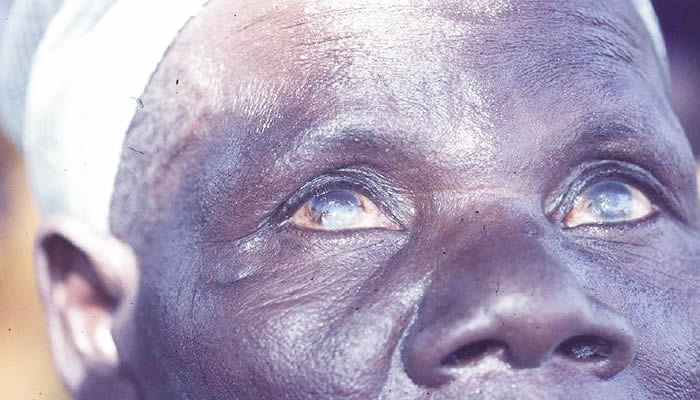
Visually impaired Nigerians are calling for safer roads, better public infrastructure, and more job opportunities. They say that poor support and weak enforcement of disability laws are holding them back from living independently and participating fully in society.
This appeal came on Thursday during events for the 2026 International White Cane Safety Day in Lagos. The theme was, “White Cane: Moving Without Limits.”
Participants and disability advocates urged the government, drivers, businesses, and the public to do more to protect the rights of blind and visually impaired people.
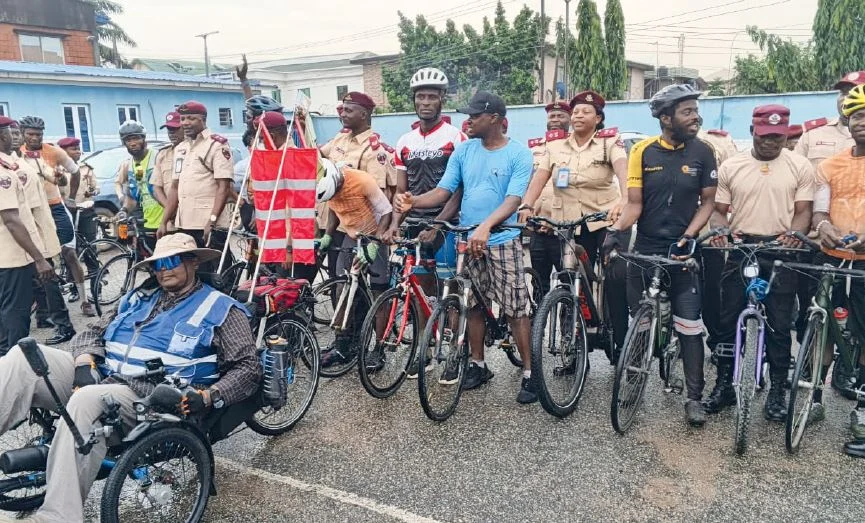
The event included a walk from King’s College Annex on Victoria Island to Our Saviour’s Church Hall near Tafawa Balewa Square. The aim was to raise awareness about how important the white cane is as a tool for mobility and safety for blind and visually impaired individuals.
Adeola Aina, the Chairman of the Planning Committee, said the celebration focused on the challenges that visually impaired people face, especially when trying to cross roads and use public spaces. Aina urged the government to make roads safer and more accessible. He also asked drivers and pedestrians to recognize users of white canes and to give them the help and right of way they need.
Aina called for a supportive environment that would allow blind people to fully engage in society. This includes access to jobs, skills training programs, and grants to support their businesses.
Oluwamayowa Oke, the Executive Secretary of the Federal Nigerian Society for the Blind, noted the government’s efforts to tackle issues related to disabilities. He mentioned the Lagos State Office of Disability Affairs and the state’s special people’s law.
But Oke said that having laws is not enough if they are not enforced. "A law is just a law on paper if it’s not implemented," he said. He urged government agencies to make sure that policies meant to help people with disabilities actually lead to real benefits.
He pushed for stricter enforcement of rules that promote the inclusion of people with disabilities in workplaces. Oke also questioned if organizations were meeting their employment obligations.
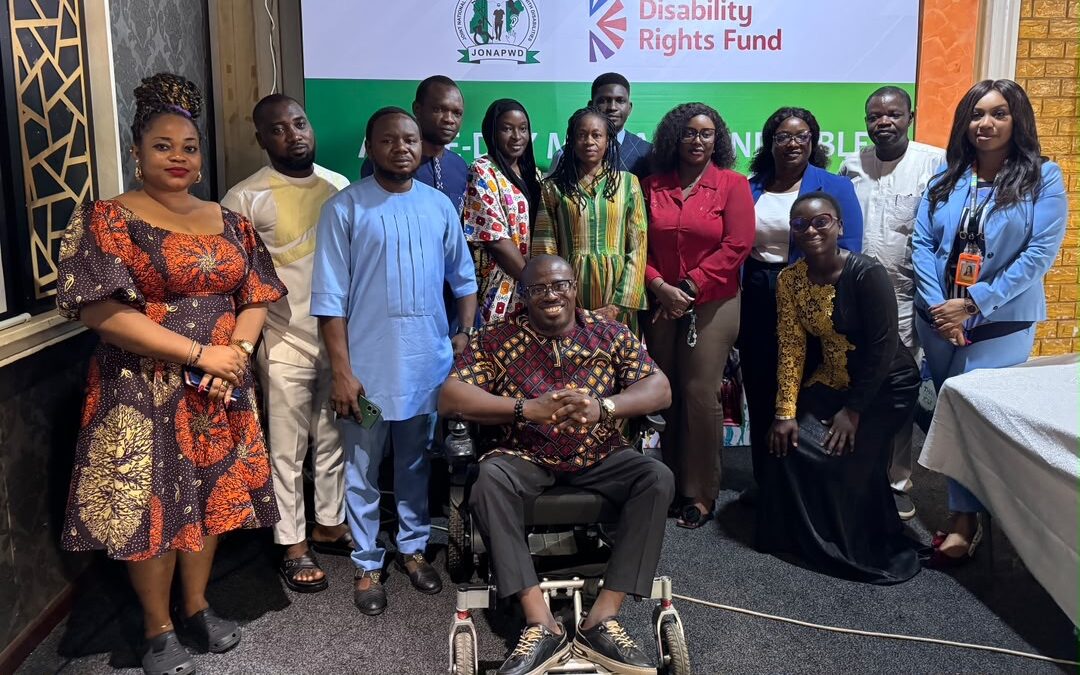
He pointed out that the challenges for visually impaired people go beyond just getting around. They also need economic opportunities and the chance to live independently. Oke emphasized that independence is more than being able to move around. Visually impaired people should also be able to get jobs, build families, own homes, and engage in everyday activities without facing too many obstacles.
The Bible Society of Nigeria joined the event, sending volunteers to help participants during the walk. Tope Omogbemi, the society’s Deputy Manager for Literacy and Programs, led the team. He said the organization aims to make the Bible accessible to all Nigerians, including those with visual impairments.
"BSN is committed to making the Bible available to every Nigerian in their preferred language and format. We pay special attention to the blind. That’s why we partner with the National Association for the Blind every year for International White Cane Day," he said.
Omogbemi mentioned that the society provided staff volunteers to support the participants during the walk. They also arranged transportation to the venue and helped with media coverage.
In addition, the society runs programs for visually impaired people, such as the annual You Can Be Their Eyes Bible Quiz for students in schools for the blind. Omogbemi called for more support for inclusive programs and initiatives for blind people.
Lion Lady Funmi Alabi, the Coordinator of the Lions Club’s district projects for 2026/2027, said job opportunities and support for self-employed visually impaired individuals are crucial for improving their living conditions. She explained that many visually impaired people already have skills and run small businesses but need more help to grow and achieve financial independence.
The Lions Club, which focuses on vision, supported the event by providing nearly 80 white canes, T-shirts, snacks, and drinking water for participants. They also sent volunteers to guide participants along the route and help them navigate tricky parts of the road.
Drop your comment
No comments yet — be the first to drop the gist 👇