The African Democratic Congress (ADC) is facing serious problems as it prepares for the 2027 general elections. After its governorship and presidential primaries, the party is dealing with internal tensions. Allegations of irregularities, parallel exercises, voter disenfranchisement, and factional disputes have come up in several states.
A review of the party’s primaries by PREMIUM TIMES highlights a pattern of controversy. This has occurred from Rivers to Oyo, Kaduna, Akwa Ibom, and Katsina. Many aggrieved aspirants are rejecting the results, calling for fresh elections, and threatening legal action.
These disputes are happening at a crucial time for the ADC. The party recently attracted many high-profile politicians and is trying to position itself as a real alternative to the ruling All Progressives Congress (APC) before the 2027 elections.
While the ADC managed to produce candidates in several states, these controversies show deep struggles over party control. They also raise questions about the party's ability to manage a wide opposition coalition.
Presidential Primary Issues
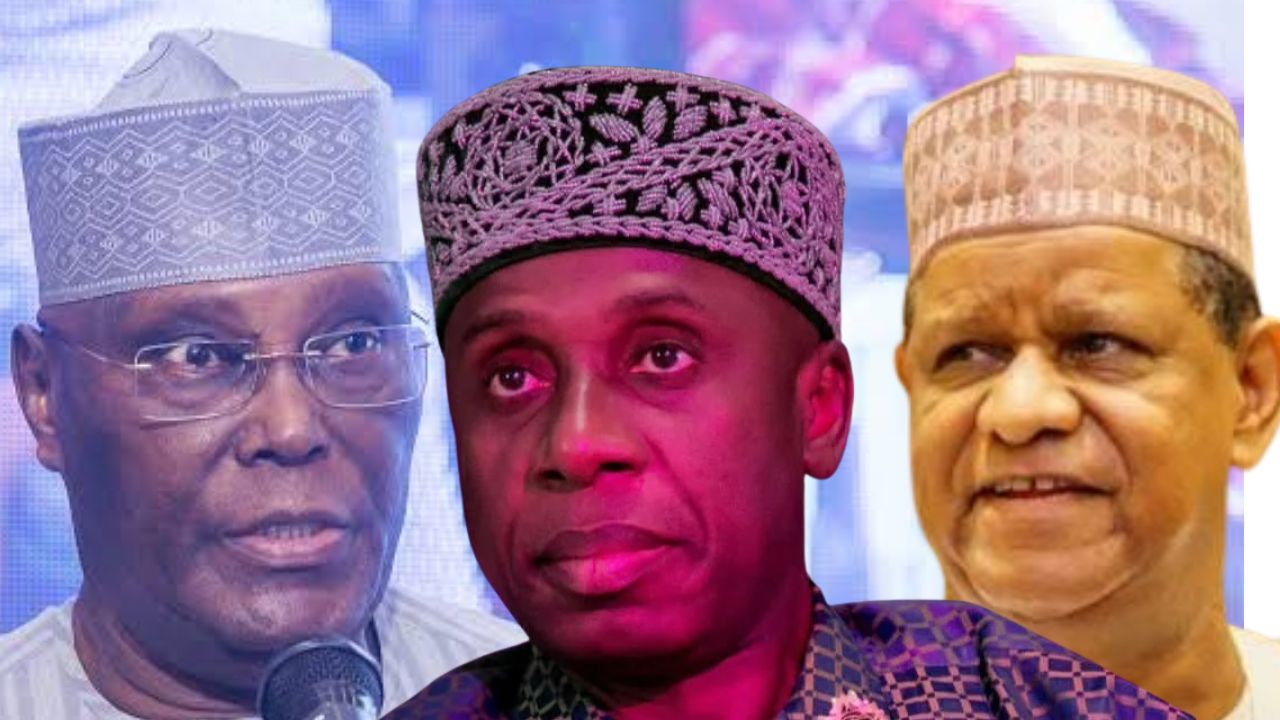
Tensions rose after former Vice President Atiku Abubakar won the party’s presidential primary. He defeated former Rivers State Governor Rotimi Amaechi and businessman Mohammed Hayatu-Deen.
The party called the exercise transparent, but both Amaechi and Hayatu-Deen rejected the results. Amaechi claimed there was widespread voter disenfranchisement and said he could not accept results from a process that did not reflect democratic values.
“There is no way that about 80 per cent of members of the party were not allowed to vote and you expect me to accept such results,” he said.
The ADC leadership asked aggrieved aspirants to seek resolution through the party’s established channels and electoral processes. The presidential dispute mirrored complaints from various gubernatorial contests.
Rivers: The Main Battleground
The biggest divisions were visible in Rivers State. Parallel governorship primaries produced different candidates. One faction named former Secretary to the Rivers State Government, Gabriel Pidomson, as the winner after he reportedly received over 112,000 votes.
Another faction announced former House of Representatives member Farah Dagogo as its candidate after a separate exercise. A third aspirant, Allen Ezekiel-Hart, rejected both results, claiming the process was manipulated.
This dispute has led to speculation that the Rivers crisis shows a larger struggle between political camps supporting Amaechi and Atiku. Both are fighting for influence in the party ahead of the presidential primary.
Political analysts believe picking a governorship candidate in Rivers will be a significant test of the party’s ability to resolve internal disputes.
Oyo, Akwa Ibom, and Kaduna Disputes
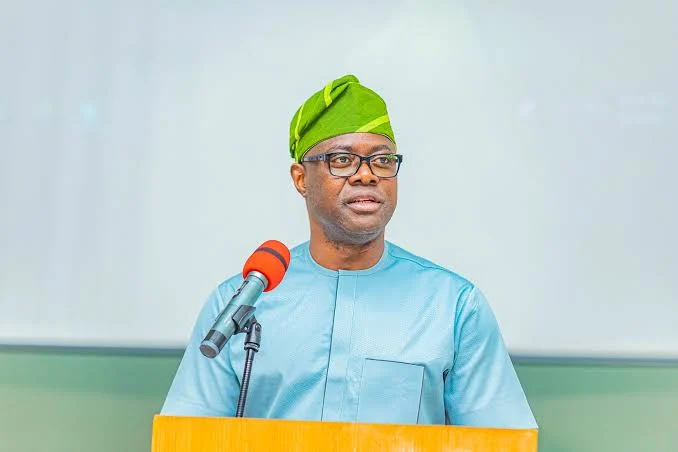
In Oyo State, the governorship primary also caused controversy. While Taofeek Adegoke was declared the winner of one exercise, rival groups announced different outcomes, showing divisions in the state chapter.
A governorship aspirant, Adebisi Ilaka, rejected the result. He claimed result sheets meant for several local government areas were diverted. He called the exercise a “travesty” and an attack on internal democracy.
In Akwa Ibom State, former senator John Akpanudoedehe was declared the winner. His opponent, Mfon Peter, rejected the result, alleging exclusion from parts of the process, illegal rescheduling of voting, and widespread irregularities.
Peter later petitioned the party’s appeal committee and threatened legal action. In Kaduna State, some governorship and legislative aspirants also rejected the whole primary process.
Katsina: Appeals Delay Final Results
Katsina is another state where primary disputes remain unresolved. Rival groups within the ADC are blaming each other over who should be the governorship candidate.
One faction accused the national leadership of imposing a candidate and ignoring internal democratic procedures. Another group aligned with the state party structure dismissed these allegations.
While different camps within the party publicly support various aspirants, the party has not yet officially announced a governorship candidate. ADC National Publicity Secretary Bolaji Abdullahi said the delay is because of ongoing appeals.
“You will notice that no result has been officially announced. No result of the primary has been officially announced as I speak with you because there are still issues on appeals, and we cannot be announcing results when the appeals have not been exhausted,” he said.
Not All States Faced Disputes
Despite some controversies, the ADC successfully held its governorship primaries in several states with little or no major public disputes. In Delta State, former governorship candidate Great Ogboru emerged as the party’s candidate after defeating Emmanuel Unuafe by a wide margin.
In Ogun State, the process faced parallel primaries and factional disputes. Two candidates, Biodun Ogundipe and Jimi Lawal, were declared winners by different groups. The party’s Governorship Primaries Electoral Committee later declared Ogundipe the authentic winner.
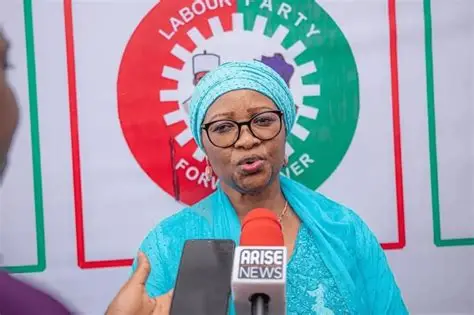
Other states where candidates emerged without significant issues include Sokoto, Kwara, Gombe, Bauchi, Kebbi, Lagos, and Jigawa. Party officials in these states described the exercises as peaceful and transparent.
A Broader Pattern
The controversies show three repeated patterns across the country. First, rival camps are forming within the party, especially in states where influential political figures have joined recently.
Second, there is growing criticism of the party’s direct primary model. Several aspirants claim logistical failures, exclusion, and poor coordination affected their participation.
Third, national power struggles are spilling over into state chapters, mainly where presidential contenders and their allies have significant influence. All these disputes suggest that the ADC’s rapid growth may be putting a strain on its internal systems.
Beyond Primary Disputes
These controversies also reveal deeper disagreements within the opposition party about leadership and electoral strategy. Former Secretary to the Government of the Federation Babachir Lawal recently resigned from the ADC. He alleged that the party’s presidential primary favored Atiku.
“I am exiting the ADC because its just-concluded primaries were massively rigged at all levels in favour of Kachalla Abubakar Atiku,” Lawal said. He warned that supporting Atiku could strengthen President Bola Tinubu’s chances of re-election.
His comments suggest that tensions within the ADC extend beyond complaints about how the primaries were run. They also raise questions about who should lead the opposition coalition into the 2027 election.
ADC Defends Its Process
In response to claims of manipulation and voter disenfranchisement, Abdullahi admitted the process was not perfect but rejected claims of deliberate irregularities.
“We are the first to admit that what we did was not perfect. There was no way it would have been perfect. We have never done it before, and no political party has attempted what we have done before in the history of Nigeria,” he told PREMIUM TIMES.
He said the party carried out a nationwide election to choose candidates, and some logistical challenges were unavoidable. “There are bound to be lapses. There are bound to be system mistakes. But whenever shortcomings may have been observed, they were not deliberately contrived by the party leadership to disenfranchise anybody.”
Abdullahi stated that the party is proud of the exercise and believes that any errors are not enough to invalidate the whole process. He added that the party would act where clear cases of malpractice are found.
“Where there is clear wrongdoing or clear manipulation, the party will not hesitate to invalidate the outcome of the election,” he said. The ADC aims to resolve disputes and rebuild unity in preparation for the 2027 elections.
Experts Warn of Consequences
Chima Nnaji, a constitutional lawyer and political analyst, said the disputes show broader concerns about internal democracy in the party. Some members believe that powerful political figures have taken over the party’s structure.
“It all boils down to the perception that the party’s internal democratic structure has been hijacked by influential individuals,” he said. “For this lack of internal democratic credentials, ADC has proven that it is not different from APC and many others, posing a serious threat to its capacity to mobilise and clinch power from the APC.”
Nnaji also warned that unresolved disputes could lead to legal issues for candidates produced through contested primaries. “Although nomination of candidates is largely an internal affair of political parties, the courts will interfere where parties fail to follow the Electoral Act or their own constitution,” he said.
“Any candidate who is a product of violations of the Act or the party constitution will be invalidated.” He added that prolonged factional disputes and legal battles could weaken the party’s chances in elections.
INEC’s Role
During the primary season, the Independent National Electoral Commission (INEC) monitored various stages of the exercises across the country. Abdullahi said INEC officials were present during the ADC’s primaries nationwide and had a statutory duty to monitor the process.
However, electoral law experts point out that while INEC monitors party primaries, disputes from competing claims and parallel exercises are usually settled through party appeal mechanisms and, when necessary, the courts.
The Road Ahead
For a party trying to show Nigerians that it is a credible alternative to established political parties, handling the current disputes may be just as important as the primaries' results. The ADC has often criticized the APC and other parties for issues of internal democracy, candidate imposition, and electoral manipulation.
Yet the issues surrounding its own primaries suggest that forming a broad coalition to challenge for power may be harder than expected. How the party resolves these disputes, reconciles unhappy members, and avoids long legal battles may ultimately determine if the public sees it as ready to lead a national opposition coalition before the 2027 elections.
Drop your comment
No comments yet — be the first to drop the gist 👇