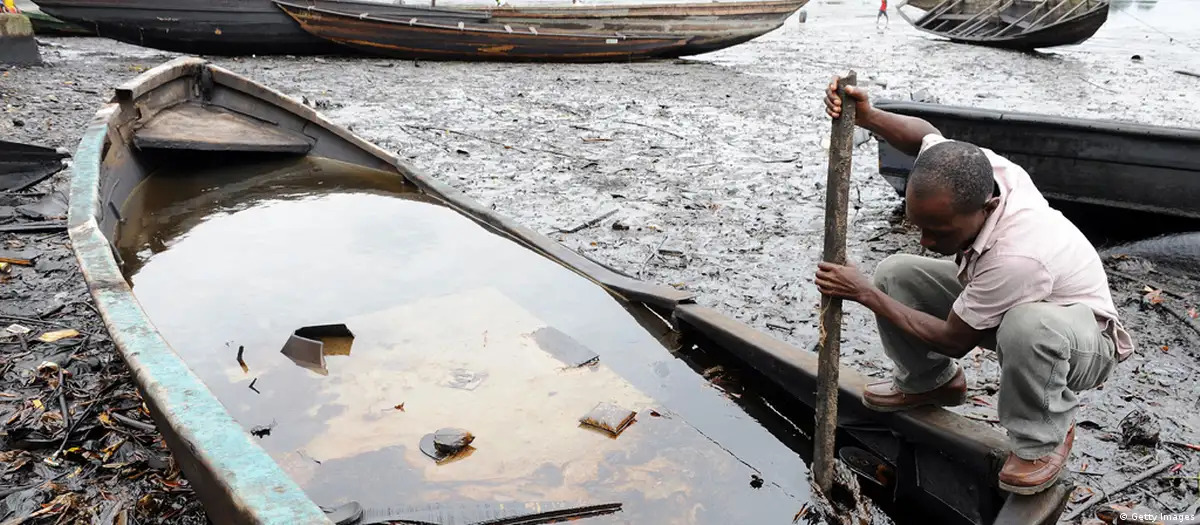
African civil society organizations have pointed to the long-standing environmental damage in Nigeria’s Niger Delta as part of their push for an international court. They want to hold foreign companies responsible for human rights and environmental issues across Africa.
This call was made on Wednesday during a Pan-African Virtual Meeting organized by the Groundtruth Africa Network. Civil society representatives from Nigeria and other African countries discussed how affected communities often lack real solutions because the companies behind major projects use complex structures that cross many borders.
Participants highlighted problems such as oil spills, gas flaring, pollution of land and water, destruction of farming and fishing jobs, and threats to health in the Niger Delta. They see these as examples of the accountability issues communities face due to corporate actions.
They added that similar issues are present in big projects and industries in Uganda, Tanzania, the Democratic Republic of Congo, South Africa, Chad, Cameroon, and Tunisia. They said communities affected by corporate actions often struggle to get justice because companies operate through parent companies, subsidiaries, contractors, subcontractors, and financiers spread across different countries.
The group called for a legally binding international agreement. This would create enforceable human rights and environmental responsibilities for foreign companies and other businesses. They also asked for the creation of an International Tribunal on Human Rights and Transnational Corporations. This court would handle cases involving companies that operate internationally.
The meeting noted that the situation in the Niger Delta shows why corporate accountability cannot rely only on national legal systems. For years, oil-producing communities in the region have complained about pollution and environmental harm from oil exploration and production. Efforts to get compensation and repair have often been long and complicated.
Participants said these problems are made worse when corporate control, decision-making, financing, and operations cross national borders. They pointed out challenges like lack of information, weak enforcement of local laws, high legal costs, limited access to evidence, complex corporate setups, and jurisdiction issues as major barriers for affected communities.
"Corporate accountability cannot depend solely on voluntary commitments or the effectiveness of individual national legal systems," the groups stated in their message. They explained that while national laws are important, they cannot alone manage corporations whose operations go across many countries.
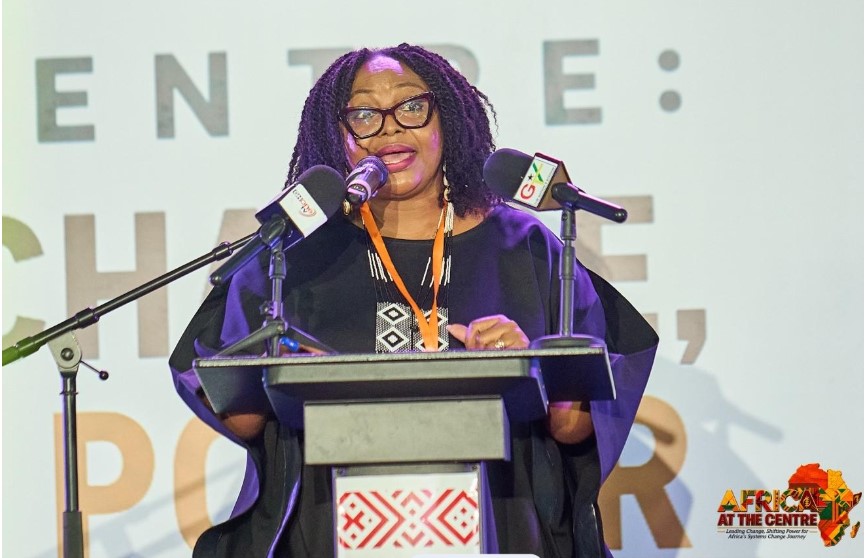
The meeting was led by Maimoni Ubrei-Joe, a climate justice advocate with the Community Development Advocacy Foundation and the Environmental Defenders Network. Speakers included Volahery Andriamanantenasoa from Madagascar, Farai Magwuwu from Zimbabwe, Ahmed Elseidi from Egypt, Zaki Mamdo from Kenya, and Constance Meju from Nigeria.
Participants noted that the accountability issues seen in the Niger Delta are also found in other parts of Africa. They mentioned the East African Crude Oil Pipeline project in Uganda and Tanzania, which raised issues around land acquisition, disputed payments, effects on livelihoods, and environmental worries.
This project also showed the difficulty in figuring out who is responsible when ownership and financing of companies extend beyond the countries where affected communities live. Concerns involving Indigenous and local communities in Tanzania, including those in Loliondo, highlighted the need to protect land rights and ensure that affected people have a say in decisions that impact their lands and resources.
In the Democratic Republic of Congo, the group highlighted issues related to cobalt and copper supply chains. They raised concerns about forced evictions, destruction of homes and farmland, and inadequate compensation. They warned that the global move towards clean energy must not repeat the harmful practices that have affected African communities in the past.
The Marikana incident in South Africa was also mentioned regarding workers’ rights, the right to organize, safe working conditions, and corporate accountability. The Chad-Cameroon pipeline was cited as another example of how hard it is to assign responsibility in cross-border projects involving multiple parties.
Issues faced in phosphate-producing areas of Tunisia were also mentioned in relation to environmental harm, economic inequality, workers' rights, and civil liberties. The civil society organizations called for mandatory human rights and environmental checks on corporate operations and their business connections.
They said companies must identify, prevent, reduce, and address both actual and potential human rights and environmental problems. This should include real consultation with and involvement from affected communities and workers.
The proposed treaty should allow for civil and administrative liability, and if necessary, criminal liability for companies and individuals responsible for human rights abuses. They want parent companies to be held accountable when abuses happen through subsidiaries and other business relationships.
They also stressed that corporate structures should not block victims from accessing justice. Victims should be able to take their cases to courts and other effective solutions no matter where the relevant corporate decisions were made.
The group called for solutions to tackle high legal costs, delays in the courts, lack of legal support, limited access to evidence, and jurisdiction issues that make it hard to enforce judgments across borders. Where harm occurs, they suggested remedies should include restitution, compensation, rehabilitation, and environmental restoration.
The meeting also emphasized the need to protect environmental defenders, human rights activists, journalists, trade unionists, and community leaders who reveal corporate wrongdoings. These individuals should be safeguarded against intimidation, violence, harassment, and retaliation.
The group demanded that Indigenous peoples and affected communities be actively involved in decisions about projects that may impact their lands, resources, cultures, and livelihoods. They urged African governments to strengthen national laws overseeing foreign companies and ensure proper enforcement of environmental, labor, and human rights standards.
They called on governments to boost the independence, resources, and expertise of regulatory bodies, and improve transparency regarding corporate ownership and contracts. The group warned that the global shift towards renewable energy should not create a new cycle of extraction and environmental injustice in Africa.
They stated that the transition must respect human rights and avoid repeating harmful practices that disproportionately affect African communities. The message, adopted on 7 October, aims to contribute to the United Nations treaty process and serve as an advocacy tool for African governments, treaty negotiators, UN bodies, civil society organizations, and other stakeholders.
It was supported by the Community Development Advocacy Foundation, Neferok Development Initiative, Renevlyn Development Initiative, Environmental Defenders Network, African Centre for Environmental and Rural Development, FIDEP Foundation, and other participating affected communities.
Drop your comment
No comments yet — be the first to drop the gist 👇