
---
Dara: A Port Harcourt Love Story? tries to mix campus romance, crime drama, social issues, and coming-of-age themes. But this crowded story makes the main love story lose emotional depth.
Directed by Bobby Rak and written by Miracle Abia, the 2025 film follows Dara (Emmanuel Bless Smile Edi). He is a young dancer and social media star whose university life turns dangerous as romance, pressure from peers, and cultism clash.
While the film has a strong Port Harcourt vibe and good performances, the busy story often sacrifices the emotional depth and believable romance.
Plot
Idara, known as Dara (Emmanuel Bless Smile Edi), arrives at a university in Port Harcourt with dreams of a future in dance and social media.
The movie starts with him arriving in Port Harcourt to live with his friend Chris. He faces bullying and intimidation from the start.

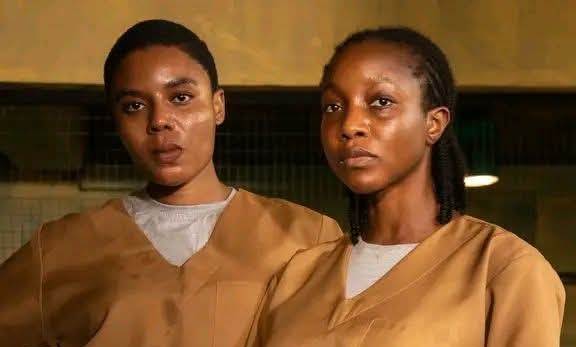
Dara and Sophie
His dreams clash with the harsh realities of campus life. Peer pressure, rivalries, and cultism pull him into a dangerous world. His relationship with Sophie (Tomi Ojo) becomes more complicated.
For Dara, dance is a way out. A competition offers a chance for recognition and a life away from the violence. But a clash with dangerous people puts his freedom, relationships, and dreams at risk.
One of these figures is Agama (Raymond Umenze), a powerful cult leader. His bond with his mother (Tina Mba) shows a softer side beneath his violent nature.
As Dara fights to stay safe and chase his dreams, the film shows the struggles of love, friendship, family, ambition, and belonging.
Review
The film’s best feature is its strong sense of location. Port Harcourt is not just a backdrop. Its language, street culture, music, and youthful spirit are part of the story, giving Dara a unique identity that sets it apart from many other campus films in Nollywood.
The Port Harcourt vibe also connects to the characters. Dara’s surroundings shape how he talks, moves, and interacts, while the city’s youth culture sets the stage for his dreams and conflicts.
The film gets more interesting when it looks beyond romance to explore why young people seek connection.
Dara finds purpose in dance and online fame. Others find it in friendships, relationships, or cult loyalty. The differences in these forms of belonging create the film’s most thought-provoking themes.
Cultism is more than just action. It shows a social scene based on loyalty, pressure, and identity. Still, the script does not explore these aspects as much as it should.
The same goes for social media fame. Dara’s online presence could show the gap between digital popularity and real-life struggles, but this angle remains underdeveloped.

The screenplay feels crowded. Romance, cultism, domestic violence, dance, family, and social media all compete for attention.
The ideas are good, but there are too many for each to get equal focus.
The romance lacks spark. This is the film’s biggest weakness.
Dara and Sophie are key to the story, but their relationship does not get enough attention to be the emotional heart of the film. Their bond makes sense, but the script treats their romance as a plot device rather than letting it develop naturally.
Interestingly, the film explores love better through family connections.
The relationship between Agama and his mother is more touching. It shows the vulnerability behind his tough image.
Raymond Umenze shines as Agama. He mixes menace with sensitivity, avoiding the trap of making the character a flat villain.
Tina Mba, in a smaller role, adds depth and emotion as Agama’s mother, a woman facing domestic abuse while staying close to her son.
Despite the strong performances, the film has noticeable flaws in its action scenes.
Some fight scenes lack the choreography and polish needed to create real tension. One shootout stands out where the walls remain untouched even after heavy gunfire, which is distracting.
Even with these issues, Dara keeps a youthful spirit with its music, dance, and performances.
Dara: A Port Harcourt Love Story? is not the polished campus romance the title suggests.
Its romance is underdeveloped, its story has too many themes, and some action scenes reveal clear production flaws. But ignoring the film because of these issues would overlook what makes it unique.
Its biggest strength is its sense of place and its readiness to explore how young people seek love, identity, and belonging.
But it struggles when it tries to make Dara and Sophie’s romance the emotional core of the story.
Verdict: 5/10


Drop your comment
No comments yet — be the first to drop the gist 👇